How to Choose a Paris Guide for Your Kind of Trip
Learn how to choose a Paris guide who matches your curiosity, pace and taste, from food and fashion to art, history and neighbourhood life with confidence
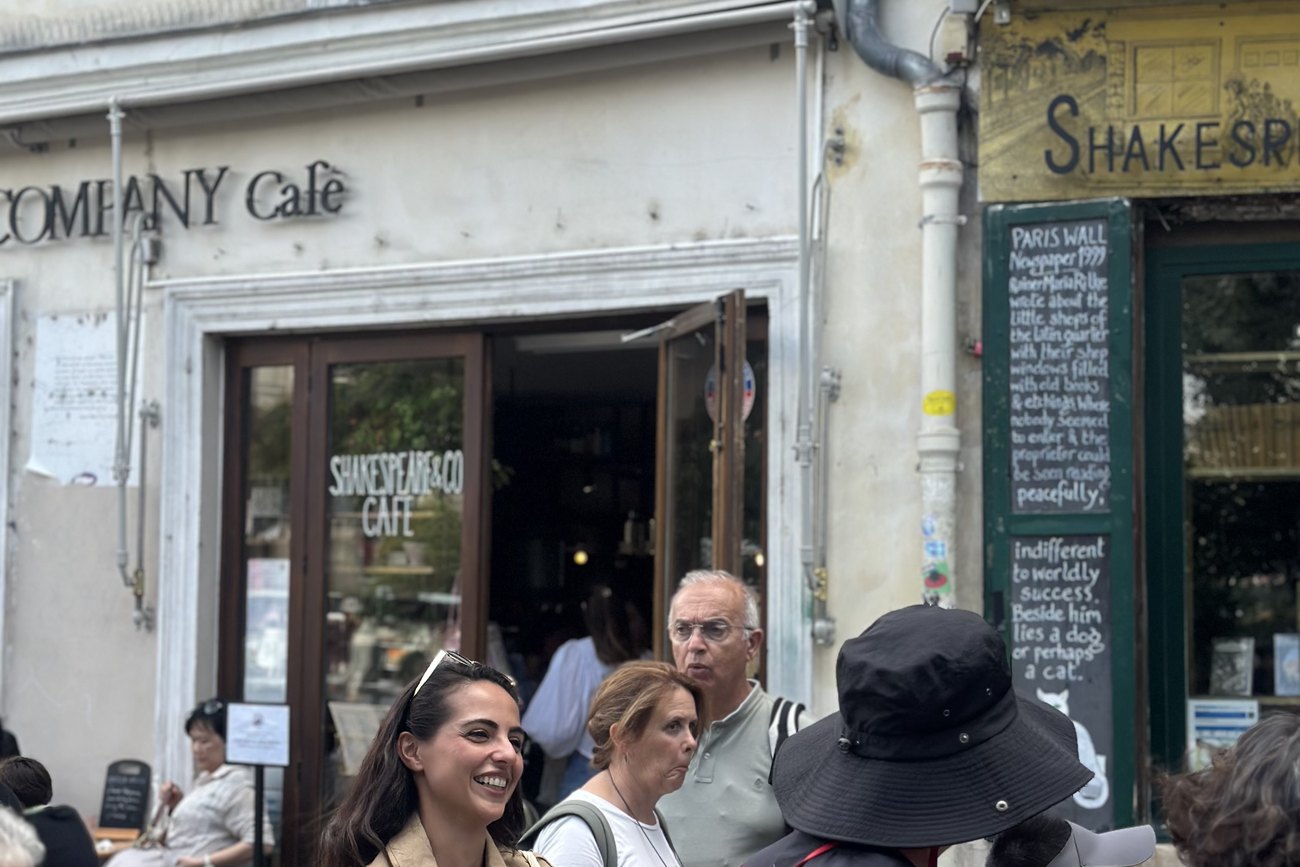
Paris can feel like a procession of queues if you let the major sights set the rhythm. Rome can do the same, with crowds spilling around ancient stones before breakfast. The pleasure of a smaller, more considered experience is that it changes the pace: you are not simply seeing a city, but noticing its details, following a thread of thought, and having room to ask the question that makes a place suddenly come alive. Knowing how to book intimate tours means choosing that feeling deliberately.
For the fuller guide, see Are Paris Private Tours Worthwhile for You?.
An intimate tour is not defined by a pretty description alone. It is shaped by group size, the guide’s point of view, the itinerary’s flexibility and the care given to the moments between the headline stops. For travellers coming from Australia, often with only a few precious days in Paris or Rome, the right booking can turn an afternoon into the story you keep retelling long after the holiday.
Before comparing tour operators, begin somewhere more personal than a checklist of attractions. Ask what you want your time in the city to feel like. Perhaps Paris calls for an unhurried afternoon of vintage fashion, trying on pieces with a sense of their era and finding something that belongs in your own wardrobe. Perhaps it is oysters and cold Champagne in a small address you might otherwise walk straight past. In Rome, it may be the pull of mythology, with the Imperial Forums becoming more vivid when gods, emperors and political ambition are placed in the same frame.
A good intimate tour has a clear lens. Food, fashion, philosophy, neighbourhood life, wine or ancient mythology are not decorative themes added to a generic route. They give the walk a point of view and help a guide decide what to linger over, what to leave out and where to take the conversation.
This is especially useful if you have visited Paris or Rome before. You may already know the landmarks, but want to understand the city beneath them: the intellectual circles that shaped a Left Bank street, the regional character behind a glass of wine, or the reasons a particular Roman ruin still holds emotional weight.
The word “small” can mean almost anything, so look beyond it. A tour with 12 or 15 guests may be smaller than a coach group, but it will not necessarily feel personal in a narrow wine bar, a vintage boutique or on a busy Roman footpath. Ask for the maximum number of guests, not merely the average.
For couples and solo travellers, a genuinely limited group creates space for easy conversation without requiring you to perform sociability all afternoon. You can hear the guide without an earpiece, pause at a shop window, and ask for a restaurant recommendation that suits your plans. For friends travelling together, it also makes a private option worth considering. The higher per-person cost can be sensible when you want the day arranged around your interests, energy levels and appetite rather than a fixed schedule.
It depends on the occasion. A lively food walk can benefit from a handful of fellow travellers and the conviviality of sharing a table. A fashion-focused outing or a milestone celebration may feel more natural as a private booking. Neither is inherently better. The point is to choose a format that matches the kind of memory you are hoping to make.
A compelling itinerary tells you what will happen, but it should also suggest why each place is there. “Visit local shops” is vague. A stronger description explains whether you will browse independent vintage boutiques, meet a specialist, taste particular regional products, or discuss the ideas and historical figures connected to a neighbourhood.
Look for practical details alongside this texture. A well-run experience should make clear its duration, meeting area, walking pace, what is included and whether tastings or purchases are extra. Most intimate city tours sit beautifully in a two to two-and-a-half-hour window: long enough to settle into a neighbourhood and short enough to leave you with an evening free for a dinner booking, museum visit or aperitivo.
Be wary of an itinerary trying to cover too much ground. If a two-hour tour promises every iconic sight in central Paris or Rome, it is likely to become a brisk march between photo points. The most memorable experiences are selective. They leave room for a story to unfold, a pour of wine to be properly tasted, or an unexpected detour prompted by the season.
Personalisation does not have to mean a tour designed from nothing. Often, the most useful form is a thoughtful adjustment within a strong framework. A guide might tailor a vintage-shopping route to your preferred decades, budget or interest in accessories. A food tour might account for dietary needs and steer you towards flavours you are excited to try. A cultural walk may spend more time on philosophy, art or political history according to the questions you bring.
When enquiring, be specific. Mention the dates you are travelling, who is joining you, any mobility considerations, dietary requirements and the things you already love. If you collect silk scarves, care about natural wine, are fascinated by Roman gods or are celebrating an anniversary, say so. These details help a thoughtful host shape the experience with more care.
Local knowledge matters, but intimacy comes from interpretation. The guide you want is not simply someone who can recite dates or identify monuments. They should be able to connect a street, a taste, an object or a ruin to a larger story, then make that story feel relevant to the people standing beside them.
Read descriptions for signs of genuine expertise. A guide’s background may be in history, fashion, food, art or literature. More tellingly, notice whether the writing names neighbourhoods, traditions and themes with confidence. A tour of Parisian ideas should feel rooted in the places where conversations happened. A mythology walk in Rome should make ancient narratives feel woven into the city, not delivered as trivia.
The best guides also know when not to speak. A few quiet moments with a beautiful view, a first taste of something unfamiliar, or the pleasure of looking through a rail of vintage clothing can be part of the experience. Cultural fluency includes giving guests room to absorb what they have found.
Once you have found a tour that suits your interests, book early enough to have choices, particularly for weekends, spring and autumn travel, and private experiences. Paris and Rome reward spontaneity, but a small group has limited places by design. Booking a few weeks ahead is often wise; for a private tour during a popular period, allow more time where you can.
Before payment, make sure you understand the meeting point, finish location, cancellation terms and what happens if weather disrupts the plan. Ask whether the route involves stairs, cobblestones or extended standing if that could affect your comfort. If food or drink is included, check precisely what this covers. Transparent pricing is a good sign: it lets you decide whether the experience fits your budget without awkward surprises on the day.
Keep your booking confirmation readily available on your mobile, but do not plan the afternoon so tightly that one delayed Metro train unsettles everything. Aim to arrive ten or fifteen minutes early, wearing shoes you can walk in comfortably. Parisian pavements and Roman cobbles are more enjoyable when you are not thinking about your feet.
An intimate tour should give you more than a polished itinerary. It should leave you with a handful of places to return to, a better instinct for a neighbourhood, and perhaps a new way of ordering, dressing, looking or wandering. At Rêverie Tours, that is the difference between being processed through a destination and living the daydream of it.
Book the experience that makes you curious rather than the one that merely looks efficient. Leave a little air around it in your plans. The best part may be the bar you revisit afterwards, the boutique you return to the next morning, or the story that changes how you see the city for the rest of your stay.
Explore our Rome experiences: mythology among the Imperial Forums, and a snacks and facts walk through the city’s hidden streets.
Explore Rome Tours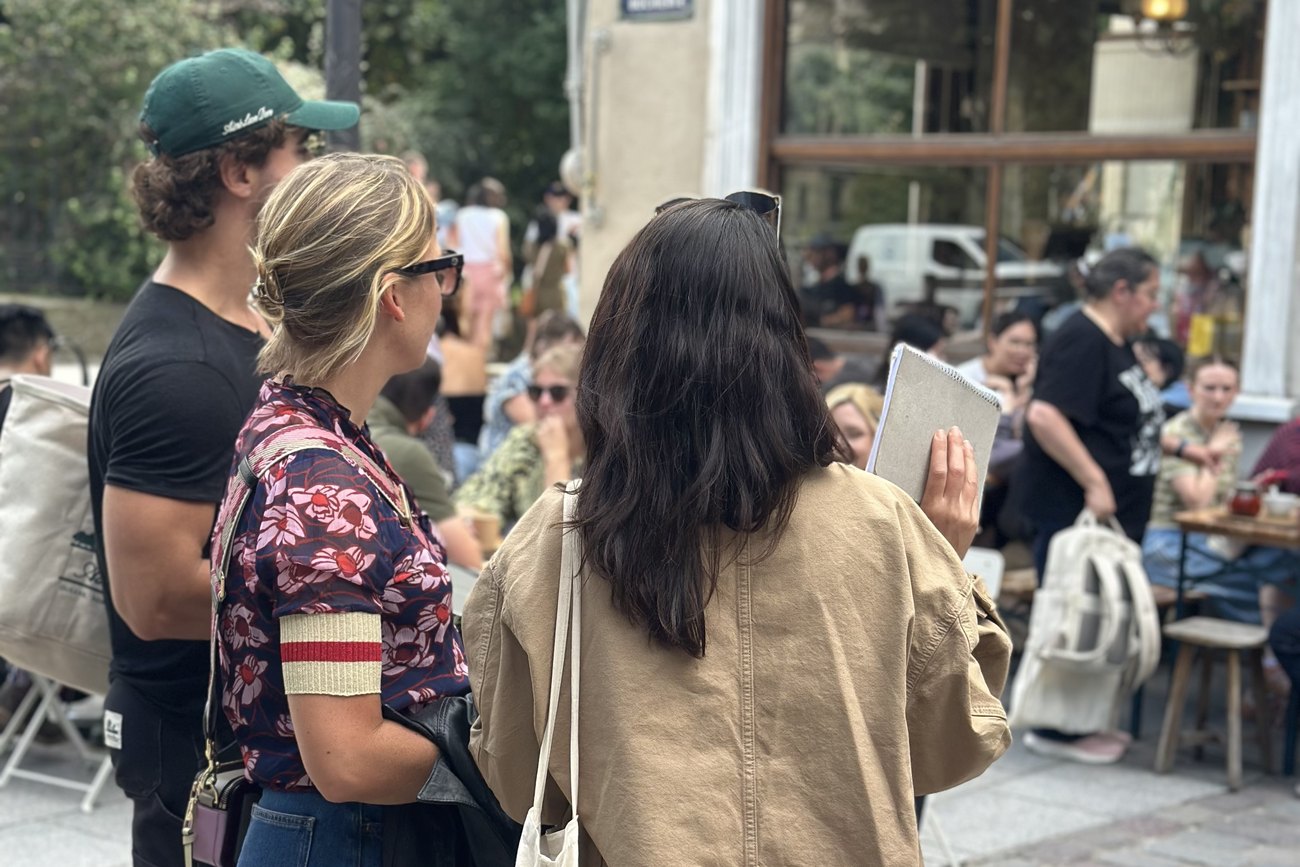
Learn how to choose a Paris guide who matches your curiosity, pace and taste, from food and fashion to art, history and neighbourhood life with confidence
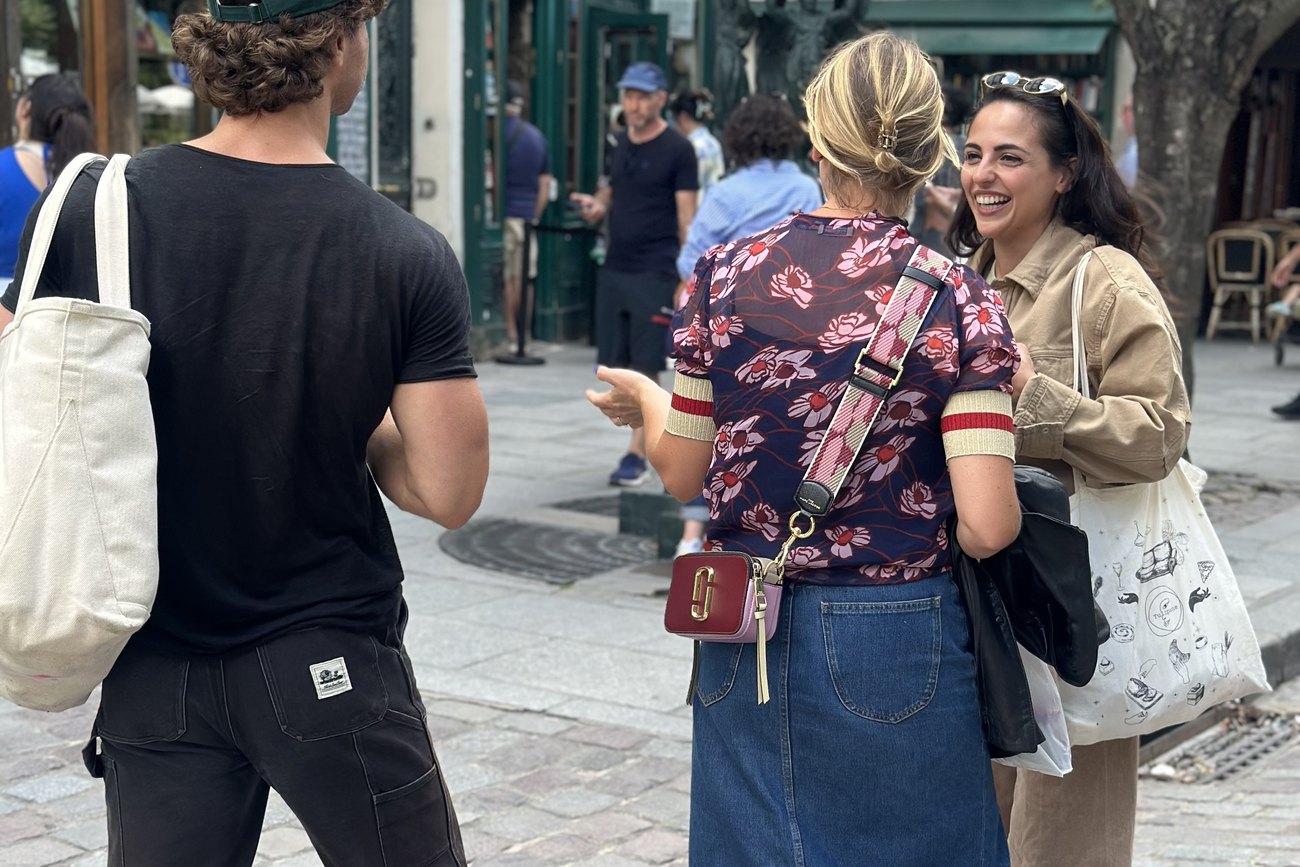
Are Paris private tours worthwhile? See when a personal guide adds real value, from quieter neighbourhoods and food to art, fashion and flexible time.