Paris Food Tour Comparison for Curious Eaters
A Paris food tour comparison for travellers who want more than tasting stops: learn how neighbourhood, group size and guide shape a memorable afternoon.
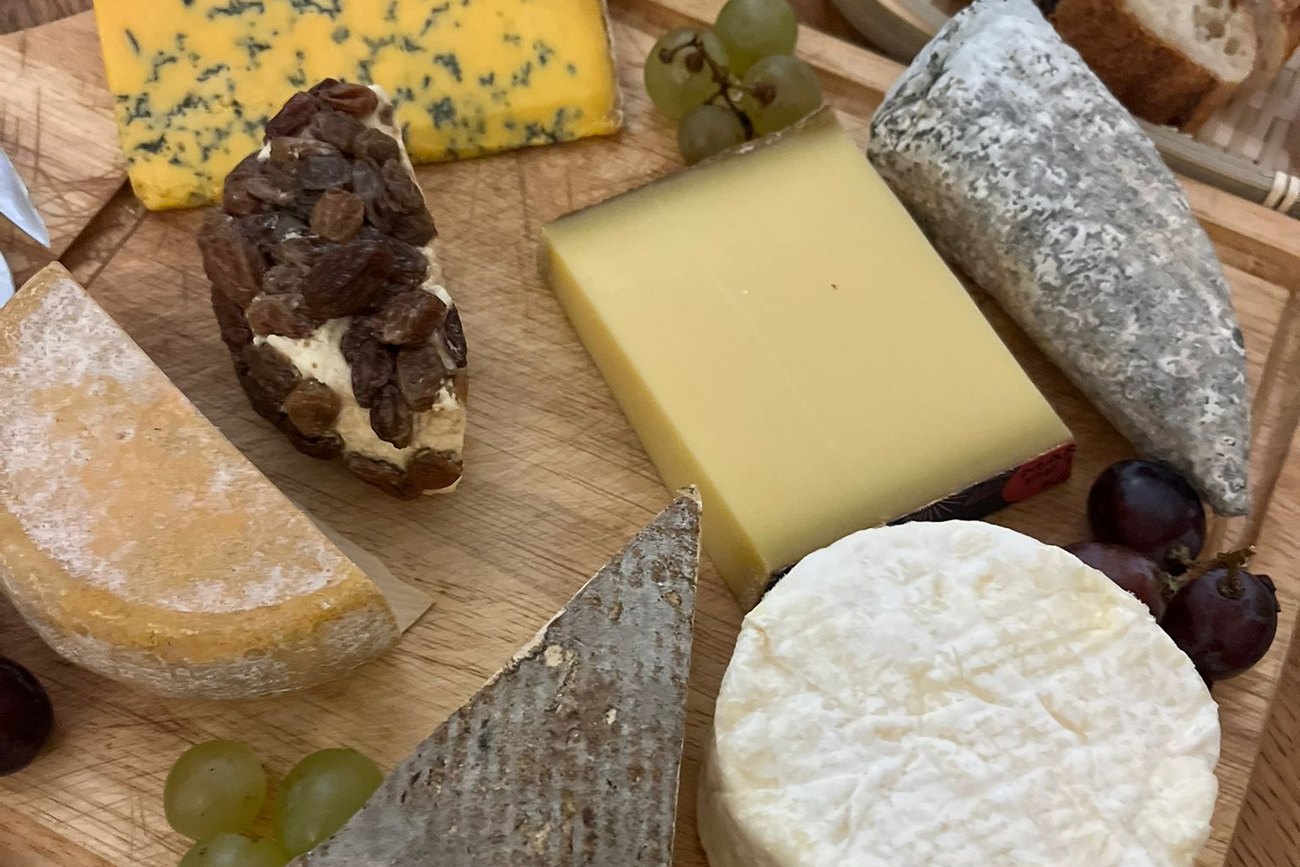
Le Marais rewards an unhurried appetite. On a Le Marais private food tour, a warm madeleine or a wedge of perfectly ripened cheese is never just a snack between monuments. It is an introduction to the people, migrations, rituals and independent shops that give this small pocket of Paris its unmistakable character.
For the fuller guide, see Eating in Paris: A Traveller's Guide.
This is a neighbourhood where a 17th-century hôtel particulier may stand a few doors from a Jewish bakery, a fine chocolatier and a wine bar with tables spilling onto the footpath. It can be lively, fashionable and occasionally overwhelming if you arrive with only a map and a list of internet-famous addresses. With a local guide and a private itinerary shaped around your tastes, the experience becomes more personal: less queueing, more noticing; less ticking off, more living the daydream.
Le Marais has never belonged to one single Paris. Once a marshland beyond the medieval city walls, it became an aristocratic quarter, then a centre of Jewish life, craftsmanship, LGBTQIA+ culture, galleries and fashion. Its food tells that layered story without needing to announce it.
A private tasting walk can move naturally between the sweet and savoury. You might begin with a butter-rich pastry whose crisp edges give way to a tender centre, then sample breads with a crackling crust, French cheeses selected at their ideal stage of maturity, or charcuterie sliced to order. Depending on the route and the season, there may be chocolate, preserves, wine, oysters or a distinctly Parisian sweet to finish.
The pleasure is not simply that the food is excellent. Paris has excellent food everywhere. Le Marais is compelling because the venues feel close together yet genuinely varied. A knowledgeable guide can explain why one boulanger’s flour produces a more open crumb, why a certain goat’s cheese belongs with a lighter red rather than a heavy one, or how a family recipe has travelled through generations of a particular community. Those details turn tasting into memory.
Private does not have to mean overly formal. The best version feels like spending an afternoon with a well-connected friend who knows when to pause, where to duck inside, and which shopkeeper has a story worth hearing. Most intimate food walks are well suited to two to two-and-a-half hours, long enough for a generous tasting rhythm without turning lunch into an endurance event.
Parisian pâtisserie is full of visual theatre, but the most satisfying stop is not always the one with the longest queue. A private guide can steer the tasting towards your preferences: classic viennoiserie, fruit-led tarts, chocolate, delicate choux pastry or something less expected. If you are travelling as a couple, sharing a few carefully chosen pieces often gives you a better sense of a shop than committing to one oversized dessert.
Ask about technique as you taste. The difference between a flaky, properly fermented croissant and a merely buttery one is worth understanding. So is the balance in a good tarte au citron: bright rather than harsh, rich but not cloying, with pastry that still holds its snap.
A cheese stop is where a private tour becomes especially valuable. French cheese counters can be a delight, but their abundance is not always easy to read. Your guide can make a selection that moves from fresh and mild to washed-rind and complex, while taking account of what you enjoy and what you have already eaten.
Wine pairings should follow the same thoughtful logic. A crisp white may make more sense with oysters or fresh chèvre; a lighter red can suit cured meats and soft cheeses beautifully. There is no need to treat the tasting as a lesson you must pass. It is a chance to recognise what you like, and why it works.
For guests who do not drink alcohol, a good private itinerary can be just as festive. Sparkling water, artisanal juices, tea or coffee can give the afternoon its own pace. The point is considered pleasure, not a prescribed menu.
Food tastes sharper when you know where you are. Between stops, a guide may point out the arcades of Place des Vosges, the façades of historic mansions, the narrower streets around the old Jewish quarter, or the small design stores that make Le Marais a favourite for style-conscious visitors. These moments are not filler. They allow each tasting to settle and connect the flavours to the city around you.
That said, a food tour should not become a history lecture with snacks. The balance matters. If you have a particular interest in architecture, Jewish Paris, fashion or wine, say so before you go. A private experience can make room for the stories that genuinely hold your attention, rather than delivering a fixed script to every guest.
The advantage of booking privately is choice, but too much choice can muddy the plan. Begin with the question of mood. Do you want an elegant afternoon centred on Champagne, cheese and refined sweets? A relaxed roaming lunch with bread, market-style bites and natural wine? Or a family-friendly route with more chocolate and fewer long explanations?
Dietary needs are equally worth discussing early. Paris is far more accommodating than it once was, though a small independent shop may have limited gluten-free or vegan options. A knowledgeable guide can plan around allergies and preferences, but it is wiser to be candid than hopeful. The most enjoyable tour is one where every guest has something beautiful to taste.
Timing changes the feel of the neighbourhood too. Morning suits bakers’ counters and a quieter atmosphere. Late afternoon brings the glow of wine bars and the energy of locals meeting friends after work. Weekends have their own buzz, particularly near the best-known streets, but they can also mean crowded footpaths and shorter attention from busy shopkeepers. If calm matters more than spectacle, a weekday is often the lovelier choice.
There is also the question of how much you want to eat. A tour with several proper portions can replace lunch, while one built around smaller samples leaves room for a dinner reservation later. Be clear about the role the tour plays in your day, especially if Paris is tempting you towards a long restaurant meal that evening.
Le Marais is easy to photograph and harder to know. Its beauty can feel almost too polished at first: stone façades, handsome squares, chic shopfronts and the constant hum of people on their way somewhere desirable. Food offers a more grounded route in. It asks you to linger at a counter, notice the perfume of a ripe cheese, listen to the crackle of a paper bag being folded around a pastry.
For repeat visitors, that is often the real luxury. You may have already seen the Louvre, crossed the Seine and admired the view from a rooftop. Now you want the city to feel closer. You want to understand why Parisians care where they buy their bread, why a tiny shop can inspire devotion, and how an old neighbourhood continues to make room for new tastes.
Rêverie Tours approaches this kind of afternoon as a personal narrative rather than a tasting checklist. The route can be shaped around the flavours you are curious about, the pace you prefer and the stories you want to bring home. It is Paris at its most generous: cultured without being stiff, beautiful without being distant.
Come hungry, certainly, but leave a little room for surprise. The memorable bite may be the one you had never planned to order, enjoyed on a quiet corner of Le Marais while the city carried on around you.
Explore our Paris experiences: philosophy walks, vintage shopping, oysters and Champagne, and custom food and wine tours.
Explore Paris Tours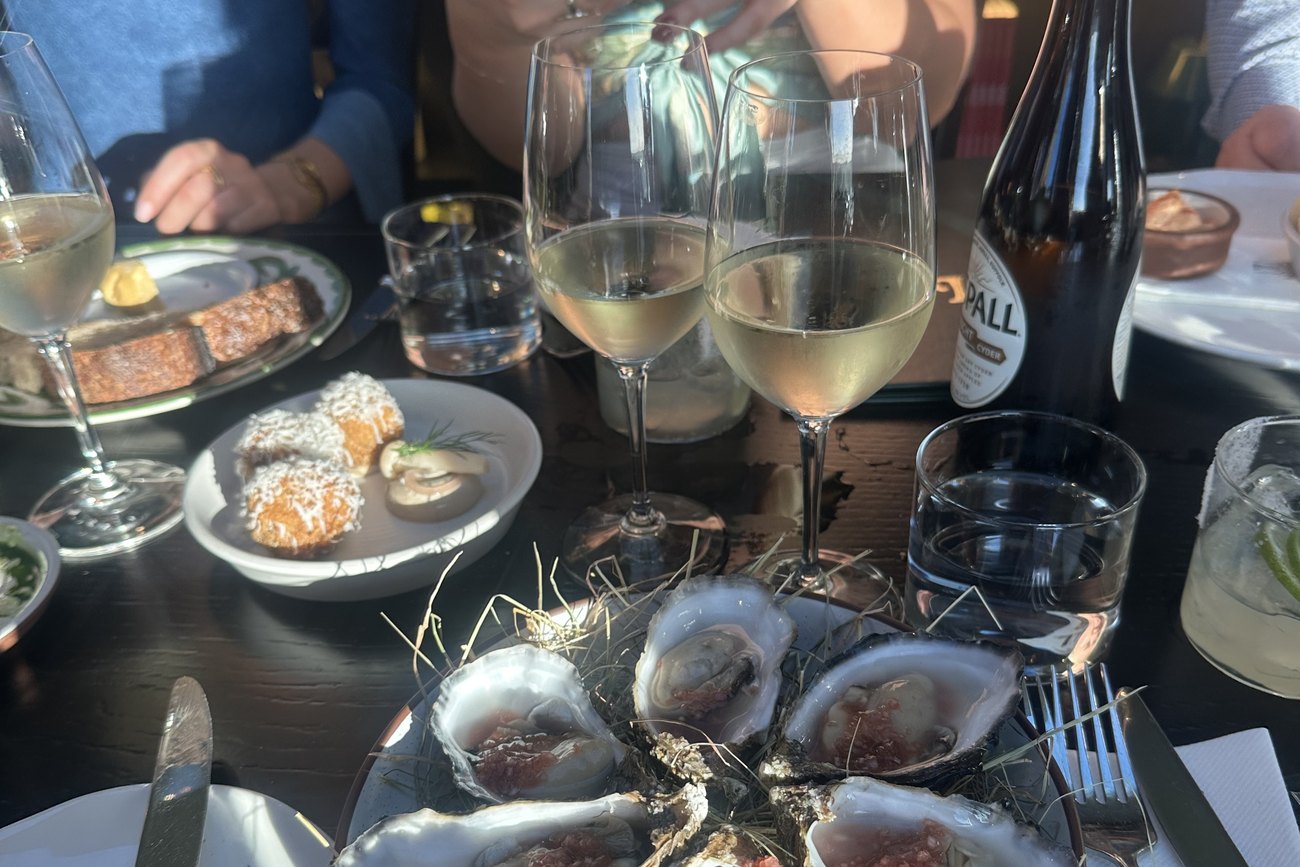
A Paris food tour comparison for travellers who want more than tasting stops: learn how neighbourhood, group size and guide shape a memorable afternoon.
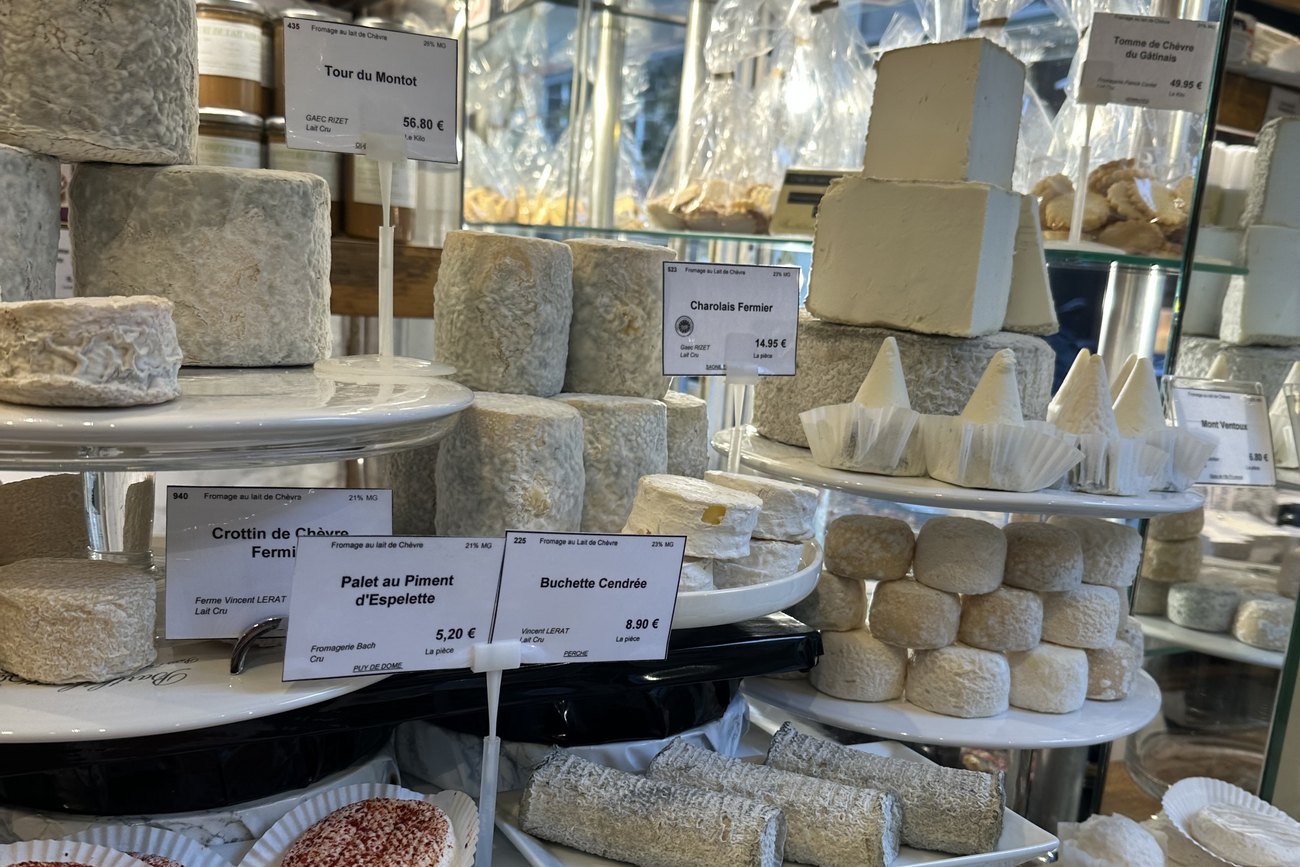
Paris is one of the world's great food cities, but knowing where to eat in Paris can be overwhelming. The city is divided into 20 arrondissements, each with its own atmosphere, specialties…