How to Find Vintage Treasures on a Paris Trip
Learn how to find vintage treasures in Paris, from knowing what to inspect to shopping the right neighbourhoods with a patient, discerning eye at ease.
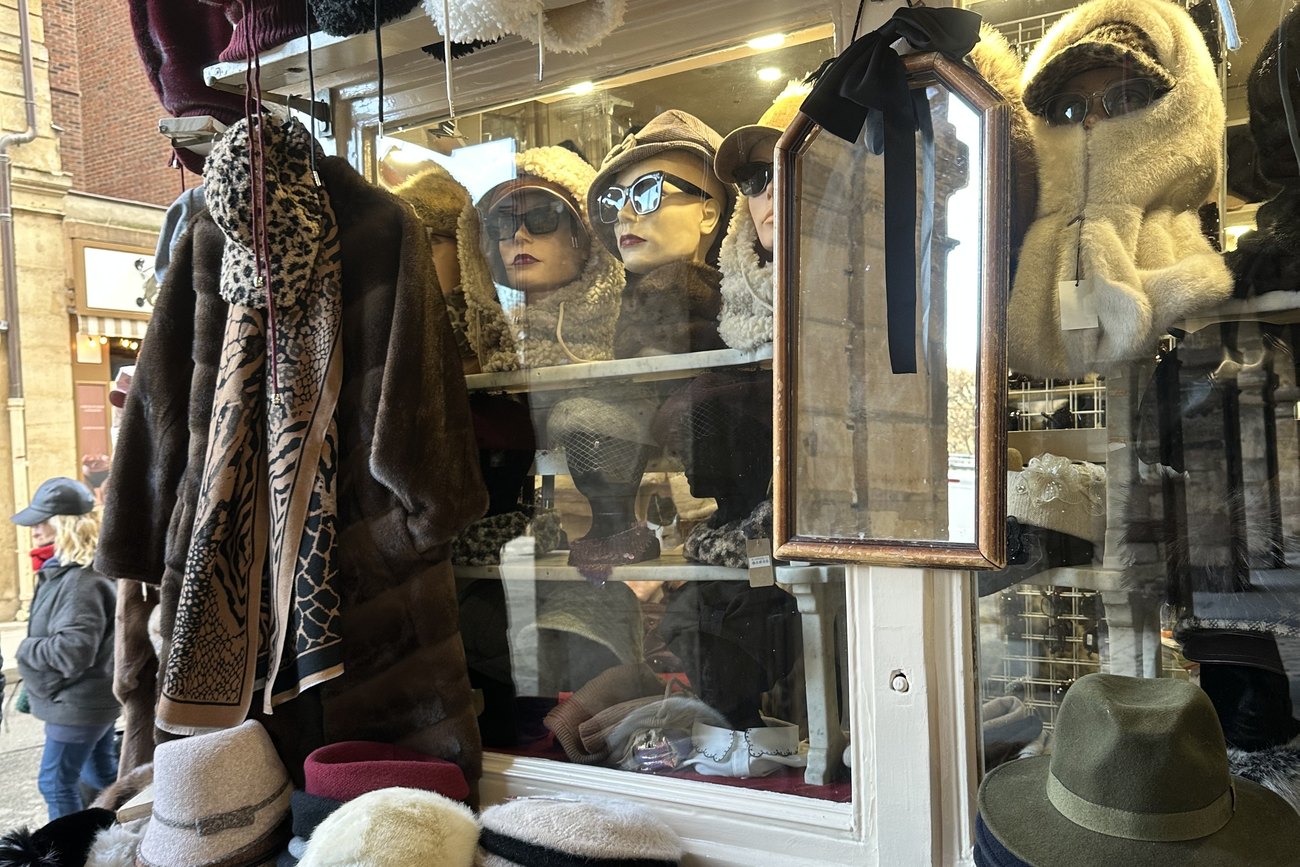
The best Paris boutique guide does not begin with a department store map. It begins with a question: what do you want to take home from the city? Perhaps it is a silk scarf with a little history in its weave, a perfectly cut vintage jacket, a book that recalls an afternoon by the Seine, or simply the feeling of having spent a few hours following your own taste rather than someone else’s checklist.
For the fuller guide, see How to Find Vintage Treasures on a Paris Trip.
Paris is often described as fashionable, but that word barely touches the surface. Style here is personal, sometimes eccentric, often quietly assured. The joy of boutique shopping lies in noticing the details: a tiny shopfront beneath a faded sign, the particular scent of leather and old paper, a shopkeeper who remembers where a garment was found. These are places that reward curiosity and a little patience.
Trying to cover every fashionable corner of Paris in one day can turn a lovely pursuit into a race across the Metro. A more satisfying approach is to choose one or two neighbourhoods and let their character shape the day. Boutiques make more sense when seen in context: the café nearby, the architecture above, the market stall around the corner, the people who live and work on the street.
The Marais is a natural starting point for first-time visitors and style-minded repeat travellers alike. Its medieval lanes hold a mix of established fashion names, independent labels, vintage specialists, galleries and design-led homewares. It can be busy, particularly on weekends, but the atmosphere is part of the appeal. Arrive earlier in the day, before the lanes fill, and leave room for a slow coffee or a plate of something simple between shops.
For a more literary, left-bank mood, Saint-Germain-des-Prés and the streets around Odéon offer polished boutiques alongside bookshops, antique dealers and handsome cafés. This is less about rummaging and more about considered finds: beautiful stationery, fine knitwear, fragrance, jewellery and objects with a certain Parisian restraint. Prices can be higher, so it is best for travellers who value craftsmanship or want one enduring piece rather than a bag full of purchases.
If your taste leans younger, more experimental or vintage-heavy, spend time around Canal Saint-Martin and the 10th arrondissement. The pace is looser, the shopfronts less formal and the discoveries more varied. You may find emerging designers beside second-hand clothing, independent magazines and small ceramics studios. Not every shop will speak to you, and that is precisely the point. The pleasure is in editing as you go.
Parisian boutiques can be intimidating only if you approach them as a test of whether you belong. They are not. The strongest purchases are usually the ones that feel connected to your own wardrobe and life at home, not an imagined version of Paris you feel obliged to perform.
Before setting out, consider the role you want an item to play. A vintage coat may be unforgettable, but will it suit your climate, your luggage allowance and the way you actually dress? A silk blouse, belt, pair of earrings or beautifully made shirt can be easier to wear long after the holiday. For home, a small print, candleholder or set of linen napkins may carry the memory without demanding precious suitcase space.
Vintage shopping deserves its own rhythm. Paris has extraordinary second-hand and archival fashion, from affordable rails to rare designer pieces. Look beyond the label at the fabric, lining, seams and condition. Try things on when possible. Check for marks, loose buttons, alterations and the weight of the material in your hands. A garment with a past need not be pristine, but its imperfections should feel like part of its charm, not a costly surprise.
Sizing is another reason to slow down. Vintage sizing varies widely, and French ready-to-wear sizes can differ from Australian sizing. Do not fixate on the number on the tag. Ask to try the piece, move in it, sit down if you can, and imagine it on the flight home and in your ordinary life. A wonderful find should not become a beautiful hostage in the back of your wardrobe.
Independent boutiques are often built around a highly individual point of view. The person behind the counter may be the owner, designer, curator or someone who knows every maker represented in the shop. A warm greeting and genuine interest go a long way.
You do not need fluent French to shop well. Bonjour when you enter, merci when you leave, and a polite request for help are enough to create a more gracious exchange. If you are looking for something specific, explain it simply: a gift for a friend, a scarf in a certain colour, a dress for a summer wedding, a vintage leather bag with room for a notebook. Specificity helps, but keep an open mind if the suggestion takes you somewhere unexpected.
There is a cultural difference worth respecting. Small Paris shops are not always designed for browsing with the same casual tempo as a large chain store. Some are tiny, some display delicate objects, and some have only one person working. Take your time, but be considerate of the space. Ask before photographing, return items neatly and accept that a reserved manner is not necessarily unfriendly. Often, a little conversation reveals great generosity and knowledge.
A boutique day should have breathing room. Paris shopping is best when it is part of a neighbourhood stroll rather than a mission with receipts. Pause for an oyster and a glass of crisp white wine if you are near a lively bistro. Choose a wine bar in the early evening. Slip into a patisserie for something buttery and seasonal. These moments reset your eye and make the day feel less transactional.
Light matters too. Paris changes character across the day. Morning is ideal for concentrated browsing and conversations with shopkeepers. Mid-afternoon is lovely for wandering, especially in the Marais or along the Left Bank, when you can follow a window display down an unfamiliar street. In winter, finish before the shops close and settle somewhere warm with your purchases tucked beside you. In spring or early autumn, linger outside and watch the city move around you.
If you are travelling with a partner or friend who is not keen on fashion, choose an area where their own interests can run alongside yours. One person can explore vintage rails while the other visits a gallery, bookshop or food market nearby, then meet for lunch. Paris makes parallel pleasures easy when you avoid trying to force everyone into the same itinerary.
Most boutiques open later than Australian shoppers may expect, commonly around 10 or 11 am, and many close on Sundays or Mondays. Opening hours can shift for holidays, fashion events and private appointments, so a flexible plan is wiser than a tightly timed one. Keep a small foldable bag for lighter purchases, but protect delicate items in your carry-on rather than the checked luggage boot of your journey home.
For larger purchases, ask about tax-free shopping paperwork before paying. Eligibility and procedures can change, and a shop may have its own minimum spend or process. Keep receipts organised and allow enough time at the airport if you plan to complete any formalities there. It is not glamorous, but it prevents a beautiful purchase becoming an administrative muddle.
Most importantly, leave a little room in your schedule for the shop you did not know you were seeking. A personalised vintage-fashion walk with Rêverie Tours can offer a thoughtful introduction to Parisian style, especially if you want local perspective without losing the pleasure of your own discovery. But whether you wander independently or with a guide, the goal is the same: to come away with something that feels less like a souvenir and more like a chapter of your Paris story.
When you step back onto the footpath with one carefully chosen parcel in hand, resist the urge to rush towards the next landmark. Find a café table, order something lovely, and let the city make room for the small, satisfying thought that you found it yourself.
The best shopping area in Paris depends on what you're looking for. Le Marais is excellent for independent boutiques and vintage, Saint-Germain-des-Prés for refined French style, and Canal Saint-Martin and the 10th arrondissement for contemporary and eclectic shopping.
The Marais, 10th arrondissement and Saint-Ouen are excellent places to start vintage shopping in Paris. The Marais is convenient for first-time visitors, while Saint-Ouen offers a much larger selection of vintage clothing, antiques and objects.
Explore Le Marais, Saint-Germain-des-Prés, Canal Saint-Martin and the 10th arrondissement. Independent boutiques are often tucked into smaller side streets, so leave time to wander rather than following a strict shopping list.
For independent boutiques, explore Rue Vieille du Temple, Rue des Francs-Bourgeois, Rue de Turenne, Rue du Temple and Rue du Château d'Eau. Each offers a different side of Parisian fashion and independent retail.
Popular Paris shopping finds include vintage clothing, French jewellery, silk scarves, leather goods, fragrance, stationery, books, ceramics and homewares. Choose something you genuinely love rather than something that simply feels like a traditional Paris souvenir.
For French fashion, explore independent boutiques in Le Marais and Saint-Germain-des-Prés, alongside established French designers and smaller emerging labels.
Paris has a particularly strong market for vintage and archival designer fashion, ranging from accessible second-hand pieces to highly collectible garments and accessories. The Marais, Saint-Germain and specialist vintage boutiques are good starting points.
It can be, but there is a wide range of prices. You can find affordable second-hand clothing alongside rare designer and archival pieces. Vintage markets and flea markets can offer particularly broad price ranges.
Check the fabric, lining, seams, buttons and overall condition, and try the garment on whenever possible. Vintage French and European sizing can vary considerably, so focus on fit rather than the number on the label.
The Marché aux Puces de Saint-Ouen, commonly called the Paris Flea Market, is one of the city's most famous destinations for vintage clothing, antiques, furniture, art and decorative objects.
Look for vintage jewellery, French stationery, silk scarves, ceramics, prints, fragrance and small homewares in independent boutiques around Le Marais and Saint-Germain.
Look around Saint-Germain-des-Prés, Le Marais and the 10th arrondissement for independent homeware, ceramics, textiles, candles, prints and design objects.
Yes. Saint-Germain-des-Prés is particularly good for sophisticated boutiques, French fashion, jewellery, fragrance, books, stationery and beautifully made objects. It is generally more polished and expensive than the eclectic shopping scene in the Marais.
Yes. Le Marais is one of the easiest areas for visitors looking for vintage clothing, independent fashion, jewellery and contemporary boutiques because so many shops are concentrated within a walkable area.
The Marais, 10th arrondissement and Saint-Ouen are excellent starting points for vintage clothing and accessories. If you want a curated boutique experience, start in the Marais; for a much larger selection, head to Saint-Ouen.
Look beyond the major luxury shopping streets and explore independent boutiques in Le Marais, Canal Saint-Martin and the 10th arrondissement. These areas are particularly good for smaller French labels, vintage clothing, emerging designers, jewellery and unique pieces.
For something more personal than a traditional tourist souvenir, look for vintage jewellery, French stationery, silk scarves, ceramics, prints, fragrance and small homewares. Independent boutiques in Le Marais and Saint-Germain are particularly good for this.
Rather than spending a day inside department stores, choose one neighbourhood and explore its independent boutiques, cafés, galleries, markets and restaurants. A guided vintage shopping tour can also help you discover smaller shops and understand French fashion and vintage sizing.
Absolutely. Paris is an excellent city for vintage designer and archival fashion, with everything from accessible second-hand pieces to rare collectible garments and accessories. The best finds often require patience and a willingness to explore smaller specialist shops.
Eligible visitors from outside the European Union may be able to claim a VAT refund on qualifying purchases. Requirements and procedures can change, so check the current French customs rules before making a significant purchase.
Some are, particularly in popular shopping districts such as Le Marais, but opening hours vary considerably between independent shops. Always check individual boutique opening hours before planning your shopping day.
Many independent boutiques open around 10am or 11am, although hours vary. Starting later in the morning can work well: have breakfast or coffee first, then begin shopping once the boutiques open.
No. You can shop perfectly well without speaking fluent French. Beginning with Bonjour, asking politely for assistance and saying merci goes a long way.
Generally, no. Fixed prices are the norm in boutiques and established shops. Bargaining is more appropriate in certain flea-market, antique-market or second-hand settings, but even there it should be polite and reasonable.
Look around Saint-Germain-des-Prés, Le Marais and the 10th arrondissement for independent homeware shops selling ceramics, textiles, candles, prints and other French design objects.
Choose smaller pieces that are easy to transport, such as silk scarves, jewellery, stationery, books, fragrance, small ceramics or vintage accessories. These can be just as memorable as a larger purchase without taking up your entire suitcase.
A guide can be particularly useful if you want to discover independent boutiques, vintage shops and less obvious shopping streets rather than relying on the most visible tourist areas. A local guide can also help with neighbourhood navigation, vintage sizing and finding shops that suit your personal style.
Choose one or two neighbourhoods rather than attempting the entire city. Start with coffee, spend the morning browsing boutiques, stop for lunch, continue exploring in the afternoon and finish with wine or dinner.
Paris shopping is at its best when the shopping is only part of the day.
Explore our Paris experiences: philosophy walks, vintage shopping, oysters and Champagne, and custom food and wine tours.
Explore Paris Tours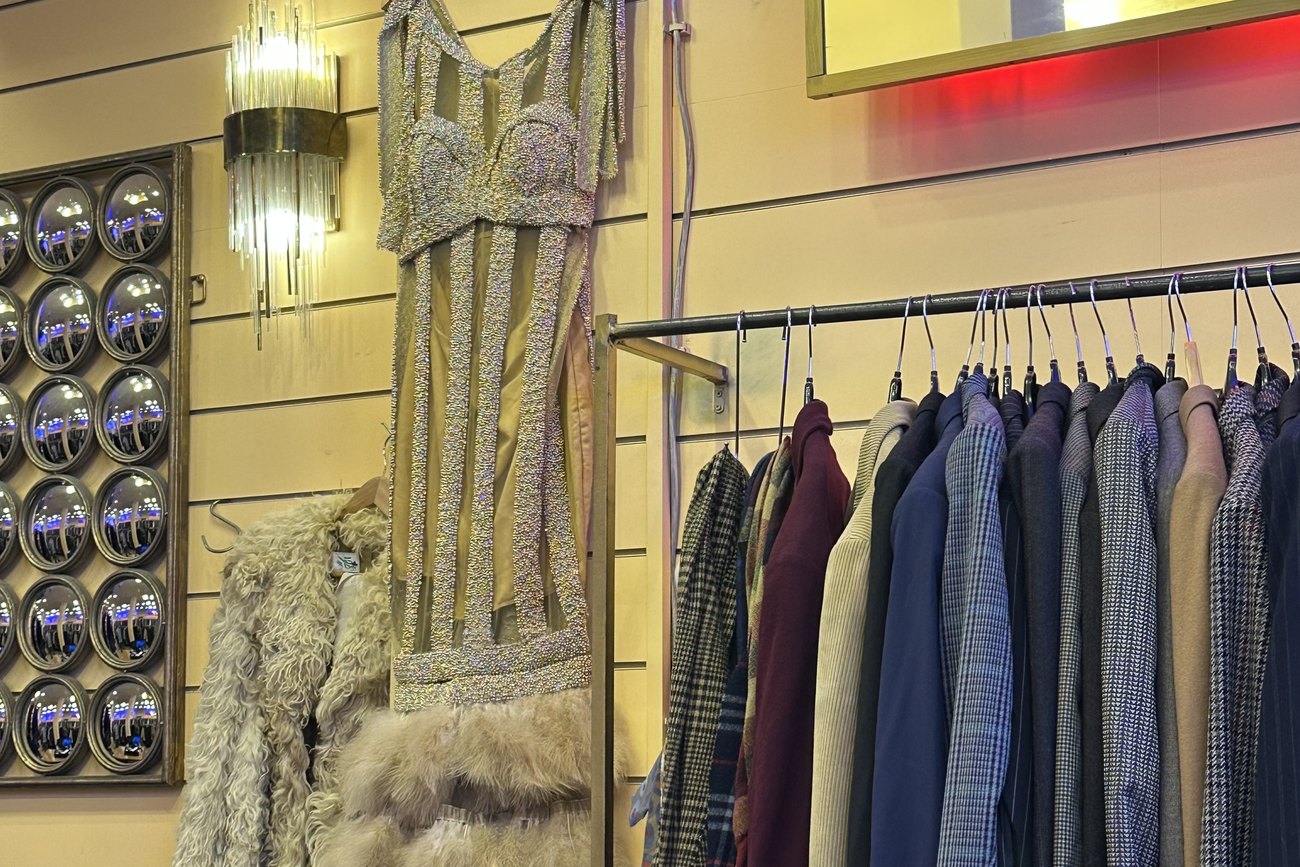
Learn how to find vintage treasures in Paris, from knowing what to inspect to shopping the right neighbourhoods with a patient, discerning eye at ease.
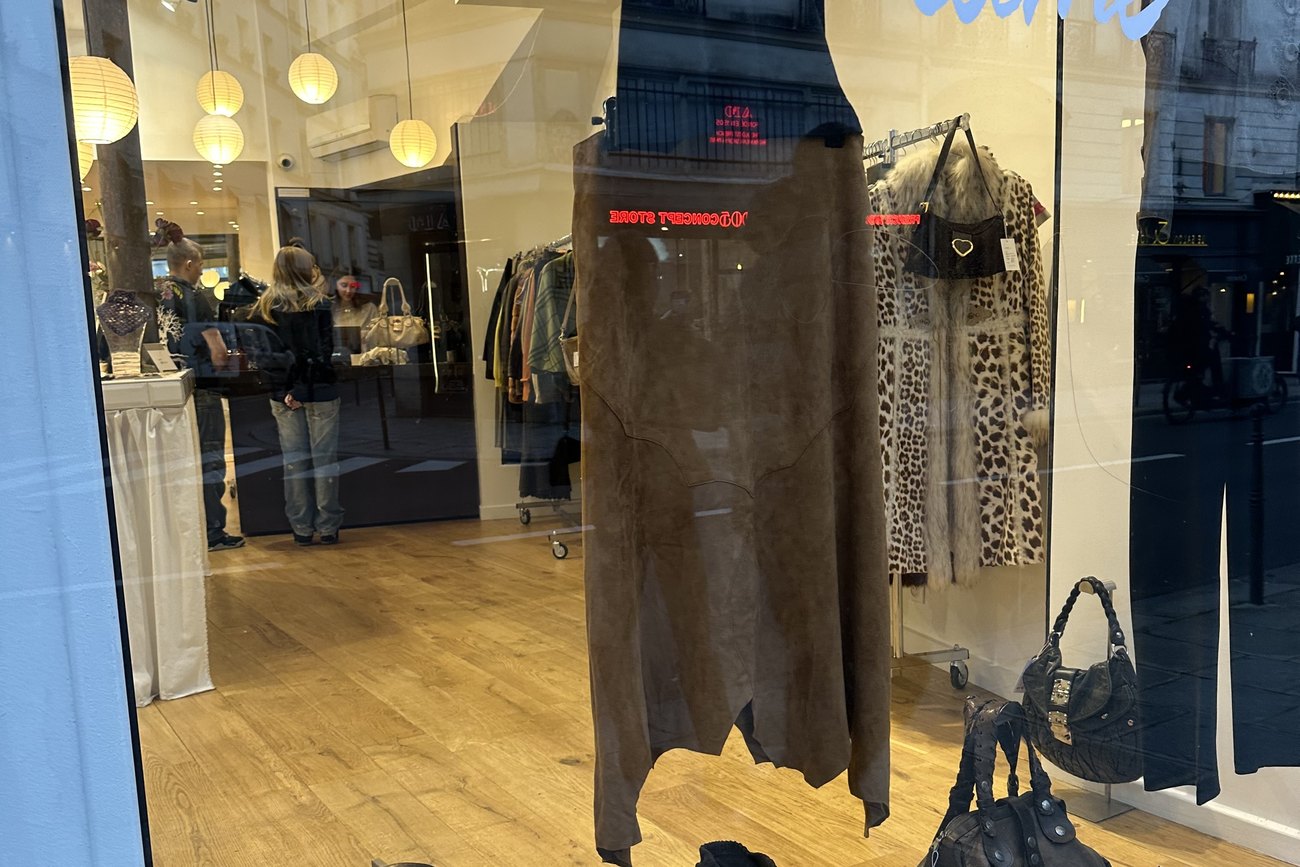
Learn how to shop designer archives in Paris, from reading condition and provenance to finding pieces that feel personal, wearable and worth the hunt.