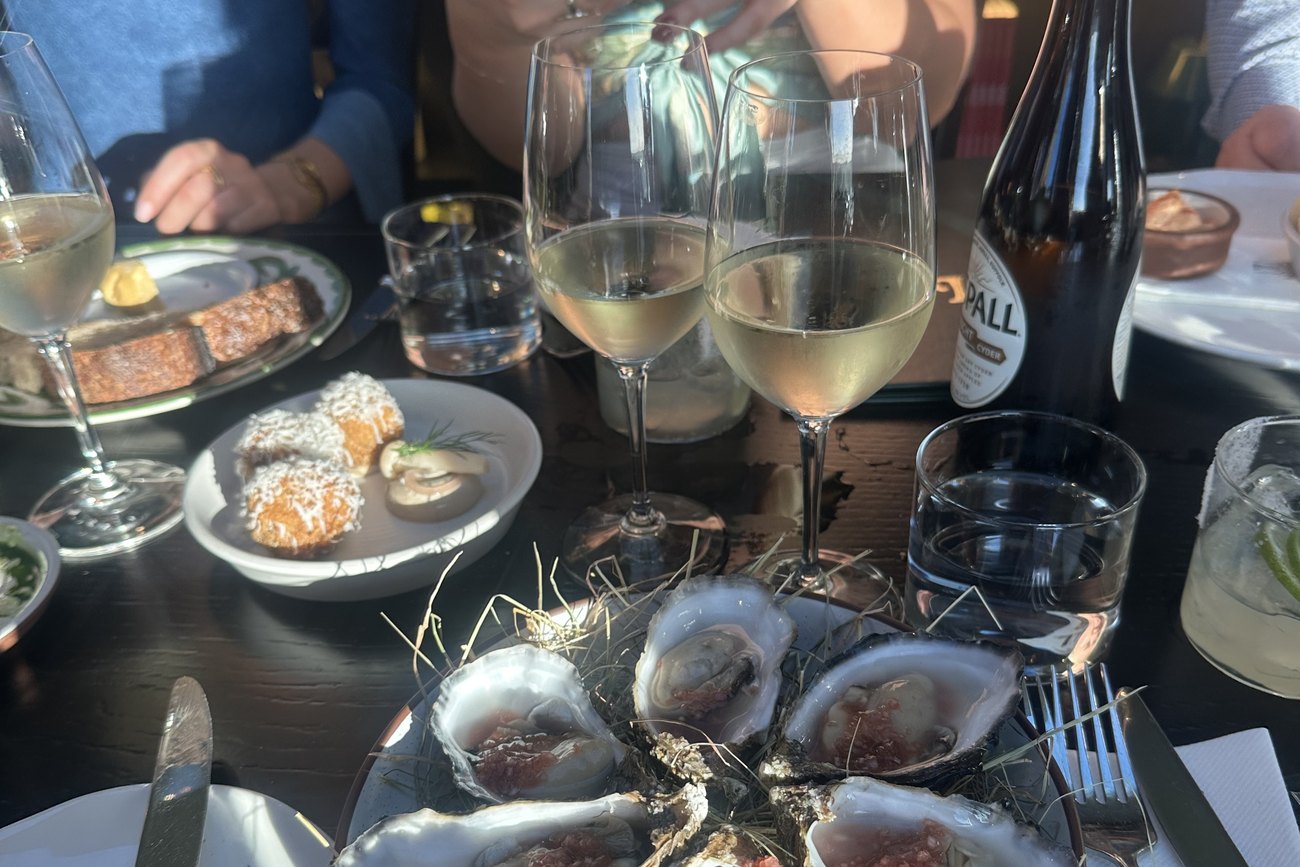
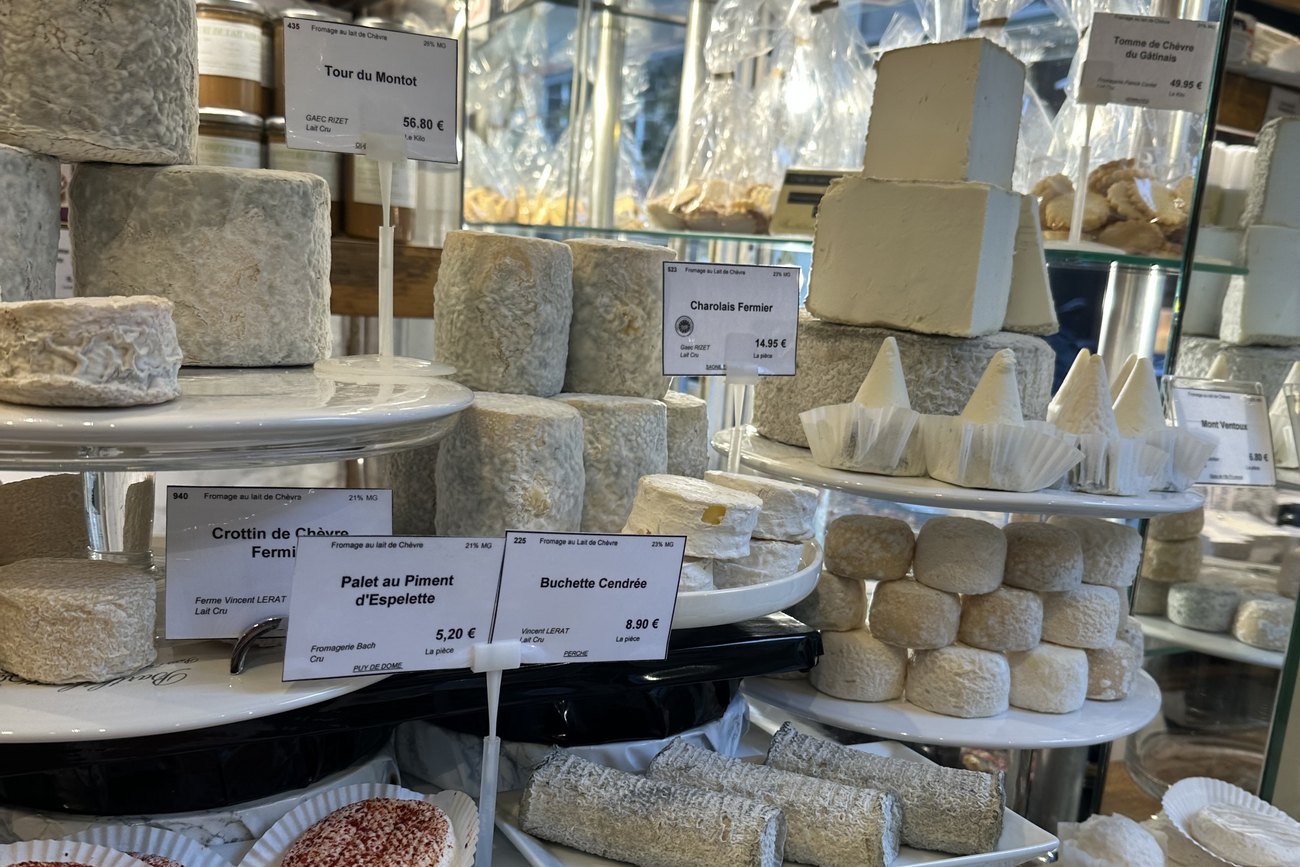
A great Paris meal can begin with a butter-warm croissant on a quiet corner, continue with a wedge of Comté chosen by someone who knows the affineur, and end over a glass of wine you would never have ordered alone. That is why a Paris food tour comparison should begin with a question more personal than “Which tour has the most stops?” Ask instead: what sort of Paris afternoon do you want to remember?
For the fuller guide, see Eating in Paris: A Traveller's Guide.
For some travellers, the pleasure is in covering the classics efficiently. For others, it is lingering in a neighbourhood, hearing why a particular cheese is washed, aged or wrapped in spruce bark, then stepping into a wine bar where the room feels lived in rather than staged. Both approaches have their place. The right choice depends on your appetite, your pace and whether you want a tasting itinerary or a more intimate introduction to the city.
Paris food tour comparison: start with the feeling
Food tours in Paris are often presented as a neat row of macarons, cheese, baguette, chocolate and wine. Those things are lovely, of course. But the real difference lies in the texture of the experience: the size of the group, the neighbourhood, the guide’s point of view and the relationships behind each stop.
A larger, standardised tour tends to suit first-time visitors with limited time. It may offer a dependable route through familiar French specialities and the easy pleasure of sharing reactions with a lively group. The trade-off is pace. With many guests to accommodate, there is less room to pause at a shop window, follow a question about regional wine, or change course when one discovery proves especially tempting.
A small-group or private experience feels different. It can be slower, more conversational and more responsive to the people walking beside the guide. If you are travelling as a couple, with close friends, or on your own and hoping for genuine connection, this format often creates the more memorable afternoon. You are not simply sampling Paris. You are settling into its rhythm.
Choose a neighbourhood, not just a menu
Paris is not one culinary personality. Its food culture shifts from quartier to quartier, shaped by history, architecture, migration, market life and the habits of people who live nearby. A tour’s location will affect the experience more than a list of inclusions ever can.
The Marais for old Paris and polished pleasures
The Marais suits visitors drawn to narrow streets, grand hôtels particuliers, Jewish baking traditions, independent shops and a more cosmopolitan food scene. It can be an excellent choice for a first food tour because it offers visual drama as well as plenty to taste. Yet its popularity means some routes can feel crowded, particularly on weekends. Seek a guide who knows how to slip beyond the busiest lanes and give the neighbourhood its historical texture.
Saint-Germain for patisserie, wine and Left Bank atmosphere
Saint-Germain-des-Prés has a certain cinematic ease: café terraces, bookshops, elegant grocers and the intellectual afterglow of the Left Bank. Tours here often lean towards classic patisserie, chocolate and wine. It is a fine fit for travellers who want beauty and refinement, though it may be less revealing if your idea of Paris is all market stalls and everyday neighbourhood life.
Montmartre for romance, hills and character
Montmartre brings cobbled lanes, village remnants and views over the city, along with a healthy dose of theatricality. A food walk here can be wonderfully atmospheric, especially for visitors who enjoy a little history with their cheese. Be realistic about the hills and crowds around Sacré-Cœur. The best routes spend time in the calmer streets where bakers, cheesemongers and local cafés still feel part of a working neighbourhood.
Canal Saint-Martin and the 10th for contemporary Paris
For repeat visitors or those drawn to a less postcard-perfect Paris, the Canal Saint-Martin and nearby quarters offer a more contemporary mood. Expect natural wine, modern boulangeries, inventive makers and a younger creative energy. This is often where a guide’s judgement matters most, because the pleasure is not merely finding what is fashionable. It is understanding which places have substance, and how newer tastes sit beside enduring French traditions.
Look closely at group size and pacing
The advertised duration tells only part of the story. Two to two-and-a-half hours can be ideal for a food tour: long enough to visit several carefully chosen places, short enough to leave room for a museum, a late lunch or an unplanned aperitif afterwards. A three- or four-hour experience may suit devoted food lovers, but it can become more of a meal than a walk.
Ask how many people are likely to attend. A group of six to eight usually allows for easy conversation and practical entry into small boutiques. Once numbers rise, the guide must spend more time managing the group, and tasting stops can begin to feel like a queue. This does not make larger tours inferior. It simply makes them a different proposition: social, efficient and often better value, rather than intimate.
Pacing also matters if you have dietary needs. Vegetarian guests can often be accommodated with care, while vegan, gluten-free or severe allergy requirements need a candid conversation before booking. Paris has become more flexible, but traditional shops may have limited alternatives and cross-contamination can be difficult to avoid. A thoughtful operator will be clear rather than promising a version of every tasting that does not truly exist.
Decide whether you want food, wine or a story about both
Some tours are built around quantity. You may leave full, but not necessarily wiser about what you have eaten. Others are guided by a narrative: how bread became central to French daily life, why oysters belong with particular wines, how regional cheeses travelled to Paris, or what a neighbourhood’s market tells us about its changing population.
For culturally curious travellers, that context is often the difference between a pleasant afternoon and an experience that stays with you. The guide should be able to translate without lecturing. They might explain why a Champagne producer’s style differs from a supermarket bottle, then leave space for you to enjoy the bubbles in peace. They should know when a story enriches the taste and when the taste can speak for itself.
A tour centred on oysters, wine or Champagne may be a better choice than a broad food walk if you already know your way around Parisian patisserie. Likewise, travellers with a passion for fashion may enjoy an experience that connects a food stop with a vintage-shopping neighbourhood, allowing the city’s pleasures to unfold together rather than sit in separate boxes.
Read inclusions with a little scepticism
Price comparison is useful, but value is more complicated than the number of bites included. Check whether tastings are substantial or token-sized, whether wine is included, and whether the guide works with independent producers or simply follows a fixed commercial route. A lower price can be excellent value if you want an accessible overview. A higher price may be justified by a very small group, specialist tasting, private format or a guide who can tailor the walk to your interests.
It is also worth checking the meeting point and end point. Paris is compact on a map but can take time to cross, especially when you have dinner reservations or are travelling with children. Consider the time of day too. Morning tours suit bakery lovers and market energy; late-afternoon walks naturally lead into wine, cheese and the glow of aperitif hour.
The case for a more personal food walk
There is a particular pleasure in being guided by someone who notices your response to a salty oyster, a peppery cheese or a certain style of red. A personal tour can bend gently towards your taste: more wine, less sugar; a deeper conversation about ingredients; an extra moment in a shop whose owner has just brought out something exceptional.
This is the spirit behind Rêverie Tours’ customisable neighbourhood food experiences. Rather than treating Paris as a tasting checklist, the focus is on independent venues, local stories and the small sensory details that make the city feel briefly yours. It is especially suited to travellers who would rather have a few meaningful encounters than rush through a long roster of stops.
The best food tour will not make you feel as though you have completed Paris. No afternoon could do that. It should leave you with a favourite address, a little more confidence ordering from a French counter, and the delicious sense that the city still has secrets waiting for tomorrow.
Frequently Asked Questions About Paris Food Tours What is the best food tour in Paris?
The best food tour in Paris depends on what you want to experience. Travellers interested in traditional French food may prefer a neighbourhood tour featuring cheese, bread, pâtisserie and local specialities, while food lovers may prefer specialist experiences focused on wine, Champagne, oysters or regional French products.
How much does a food tour in Paris cost?
Paris food tour prices vary according to the duration, number and quality of tastings, group size, whether drinks are included and whether the experience is private. Compare what is included rather than choosing solely by the headline price.
Are Paris food tours worth it?
A Paris food tour can be particularly worthwhile if you want more than a list of restaurants and shops. A knowledgeable guide can introduce you to French food traditions, explain what you are tasting and provide local context that you may not get from exploring independently.
Which neighbourhood is best for a food tour in Paris?
There is no single best neighbourhood. Le Marais is excellent for history and a diverse food scene, Saint-Germain-des-Prés is particularly suited to pâtisserie, chocolate and Left Bank culture, Montmartre combines food with historic Parisian character, and Canal Saint-Martin and the 10th arrondissement offer a more contemporary side of Paris.
How long do Paris food tours last?
Many food tours in Paris last around two to three hours. Two to two-and-a-half hours is often a comfortable length for combining walking, conversation and several tastings without making the experience feel rushed or overly long.
Are Paris food tours suitable for vegetarians?
Many tours can accommodate vegetarian travellers with advance notice, but it depends on the individual itinerary. Always tell the tour operator about dietary requirements before booking.
Can I take a Paris food tour if I am vegan or gluten-free?
Possibly, but you should ask before booking. Traditional French food shops and bakeries may have limited alternatives, and severe allergies require particular care. A reputable operator should clearly explain what can and cannot be accommodated.
Is a private food tour in Paris better than a group tour?
A private food tour offers more flexibility and personalisation, while a small-group tour can provide a more affordable and social experience. Neither is automatically better; the right choice depends on your budget and preferred travel style.
What food should I try on a Paris food tour?
Classic options include French cheese, baguette, croissants, pâtisserie, chocolate, charcuterie and regional specialities. Depending on the tour, you may also explore French wine, Champagne, oysters and other seafood.
What time of day is best for a Paris food tour?
Morning is ideal for bakeries and markets, afternoon works well for chocolate, pâtisserie and cheese, while late afternoon and evening are particularly suited to wine, cheese and apéritif-style experiences.
Do I need a food tour if I have already visited Paris?
Not necessarily, but a specialist food tour can reveal a side of Paris that is easy to miss on a first trip. Returning visitors may particularly enjoy exploring a specific neighbourhood or focusing on wine, Champagne, oysters, cheese or contemporary French food.