Paris Food Tour Comparison for Curious Eaters
A Paris food tour comparison for travellers who want more than tasting stops: learn how neighbourhood, group size and guide shape a memorable afternoon.
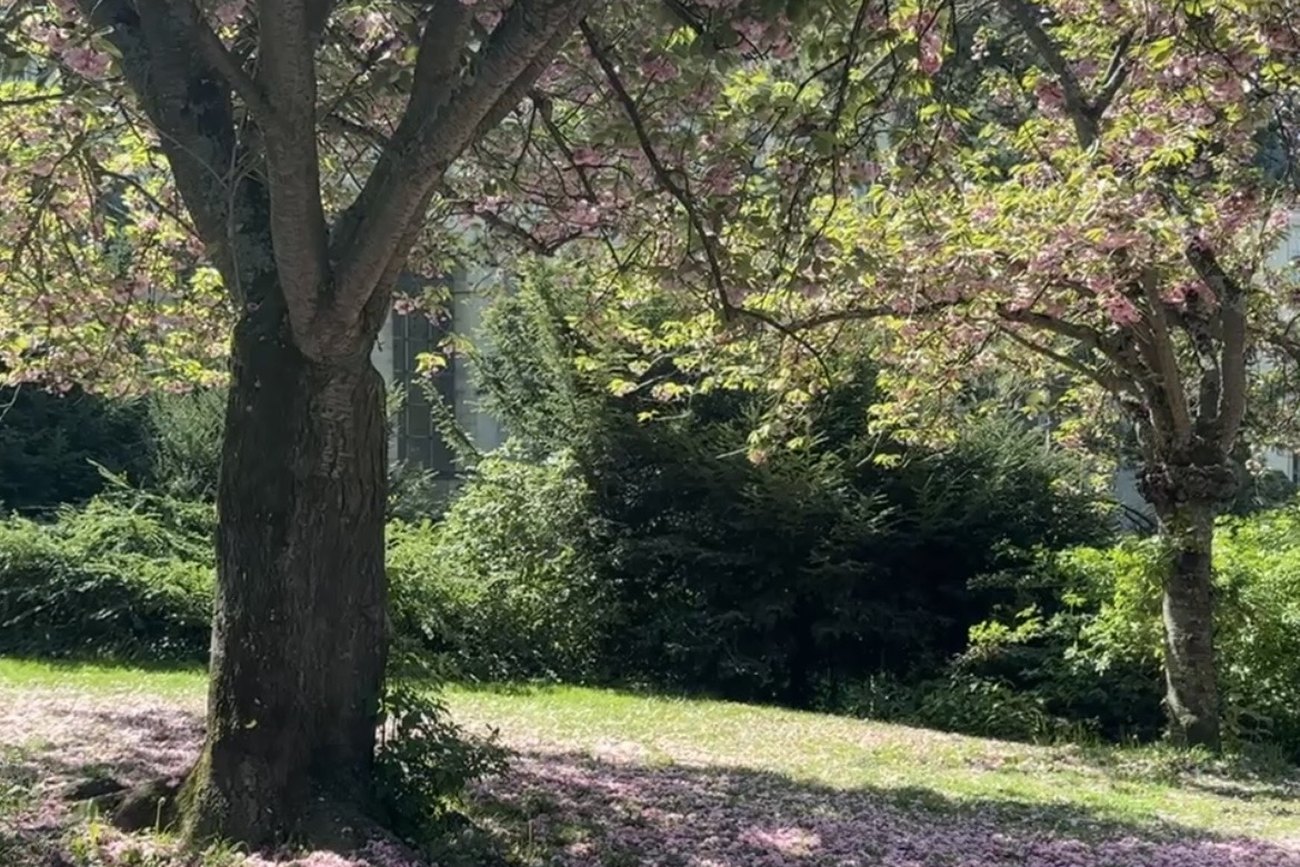
A Paris meal can be a small act of attention. The baguette still warm from the oven, the chalky mineral edge of a Loire white, a menu that changes with the market: Paris sustainable dining is less about dining under a halo of virtue and more about noticing where a meal begins. For travellers, that attention makes the city taste richer, not more restrictive.
For the fuller guide, see Eating in Paris: A Traveller's Guide.
Paris is not a frictionless model of sustainability. It is a dense capital with a global appetite, high rents and an enormous visitor economy. Yet its compact neighbourhoods, enduring food markets and culture of small, ingredient-led restaurants create a wonderful setting for eating with greater care. The most memorable choice is rarely the place with the loudest environmental message. It is often the bistro that knows its producers, wastes little, pours wine from nearby vineyards and gives a vegetable its proper place on the plate.
Sustainable dining has no single Parisian uniform. A restaurant may work with organic growers but serve imported seafood. Another may have no certification at all, yet cook almost entirely from seasonal French produce and send very little to rubbish. The useful question is not whether a venue is perfect. It is whether its choices reveal thoughtfulness, transparency and a sense of proportion.
In practical terms, look for menus that move with the seasons, short supply chains, responsible seafood, well-treated plant-based dishes and a preference for French wines. Independent restaurants matter too. They tend to put more of your spend into the hands of cooks, growers, bakers and neighbourhood businesses rather than a generic hospitality machine.
This approach also leaves room for pleasure. Parisian food culture was never meant to feel like a spreadsheet. A beautifully made butter sauce, a wedge of farmhouse cheese or a plate of oysters can belong in a considered meal. Sustainability is not a demand for culinary purity. It is an invitation to choose deliberately, eat slowly and waste less.
The simplest way to eat more thoughtfully in Paris is to order what is abundant now. French cooking has long had a vocabulary for this: spring asparagus and peas; summer tomatoes, apricots and tender courgettes; autumn mushrooms, figs and squash; winter leeks, celeriac and citrus.
A menu with only a handful of dishes is often a good sign, particularly when the ingredients are described with specificity. Rather than a long catalogue designed to satisfy every passing preference, a shorter menu allows a kitchen to buy more carefully and prepare ingredients fully. It may mean you cannot have tomatoes in February. It also means that, when tomatoes arrive, they are worth crossing the city for.
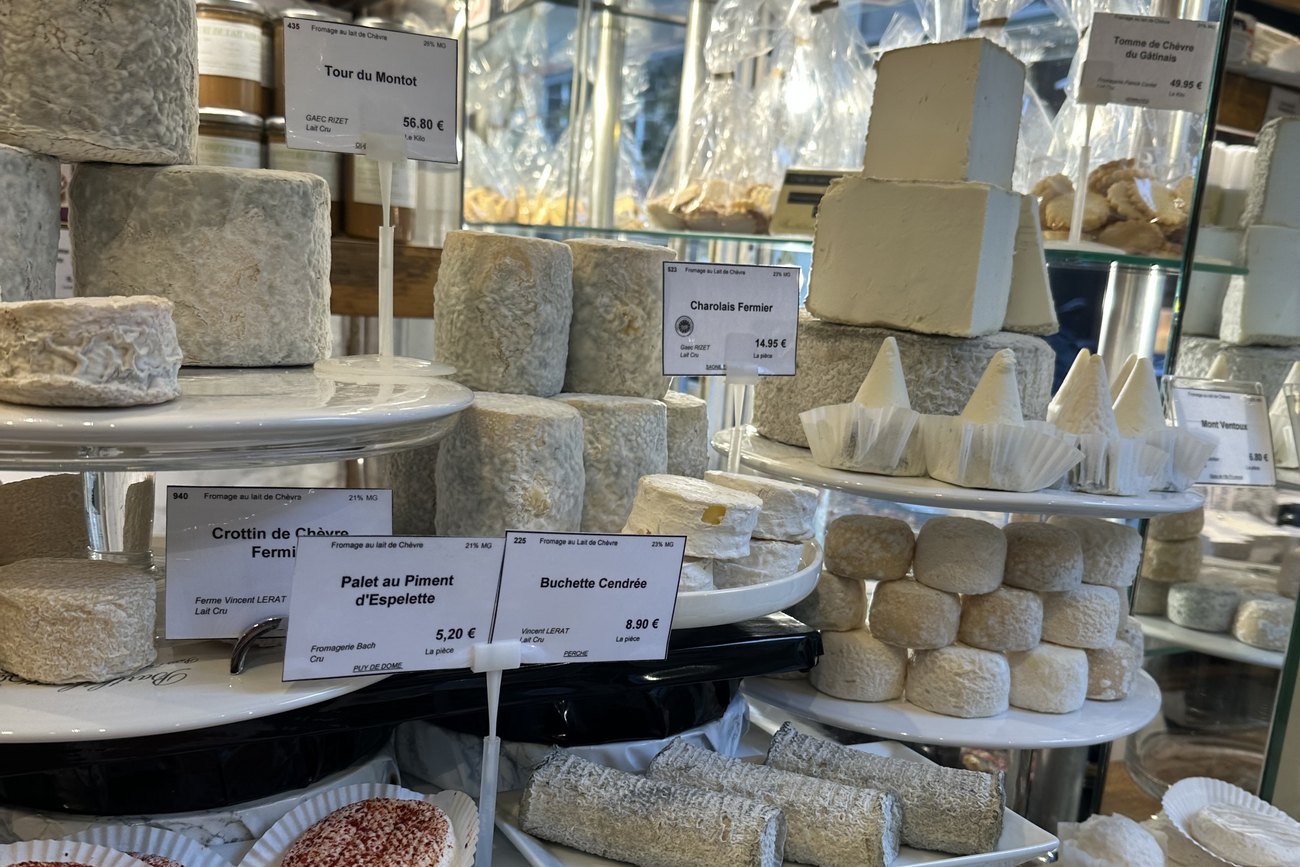
For an especially local rhythm, begin at a market. Marché d'Aligre in the 12th arrondissement feels gloriously lived-in, while Marché des Enfants Rouges in the Marais combines stalls, prepared food and the hum of a Paris lunch hour. You need not turn a market visit into a research project. Buy fruit for a walk along the Seine, choose a little goat cheese for a park picnic, and let the stallholders’ displays tell you what the season is offering.
The word ‘local’ can be used loosely, so a little curiosity goes a long way. Paris restaurants that care about sourcing often name the farm, region, fisher or cheesemaker behind an ingredient. Staff may be able to explain where the bread comes from, why a particular fish is on the menu, or whether the wine is made with minimal intervention. Ask warmly, not like an auditor. A good question can open a lovely conversation.
French regionality is valuable even when it is not strictly Parisian. A lentil dish from the Puy, oysters from Brittany, lamb from the Pyrenees or a natural wine from the Loire still support a food culture shaped by place and season. France is not small enough for every ingredient to arrive by bicycle, and it does not need to be. The more meaningful distinction is between food with a clear origin and anonymous ingredients travelling through a vast, opaque chain.
Seafood deserves particular care. Paris has a deep affection for oysters, shellfish and fish, much of it brought in from the coast. When choosing fish, favour restaurants that identify the species and origin, and be open to lesser-known, plentiful varieties rather than defaulting to the same fashionable catch. Oysters are a special case: their impact varies by farm and growing method, but they are often a thoughtful choice when sourced from responsible French producers. A knowledgeable guide or restaurateur can make the difference between a romantic seafood ritual and a vague guess.
Paris no longer treats vegetarian cooking as an afterthought of sad salads and side dishes. Across neighbourhoods such as the 10th, 11th and 18th arrondissements, chefs are building menus around grains, legumes, mushrooms, brassicas and exceptional produce. Even at a classic bistro, the most exciting course may be a roasted carrot with hazelnuts, or a bowl of lentils brightened by herbs and sharp vinaigrette.
You do not have to eat entirely plant-based to lower the footprint of a trip. Consider making lunch your vegetable-forward meal, then enjoying a carefully chosen cheese, charcuterie or seafood course at dinner. This is especially helpful when travelling with different appetites at the table. Paris rewards flexibility: a café lunch can be simple and market-led, while an evening meal can be a slower celebration.
The same principle applies to pastries. Rather than collecting every viral sweet on the map, choose one pâtisserie whose craft you admire, sit down with it, and enjoy it properly. Less rushing, less packaging, more pleasure.
Wine is one of the loveliest ways to make a Paris meal feel connected to a wider French landscape. Choosing a French bottle or glass is not automatically sustainable, but it can reduce unnecessary distance and introduce you to growers working on a human scale. Look beyond familiar names. A crisp Muscadet, a textured Chenin Blanc, a Beaujolais from a small producer or a Champagne made by a grower can carry far more character than an international label selected by habit.
Natural, organic and biodynamic wines are widely available in Paris, particularly at independent wine bars. Those terms are useful clues, not guarantees of quality or environmental perfection. Some wines are beautifully made; others are challenging by design. Tell your server what you usually enjoy, and ask for something seasonal, regional or from a producer they genuinely love. It is a more charming strategy than ordering by reputation alone.
Tap water is safe and good to drink in Paris. Asking for a carafe d'eau is normal, economical and one less bottle for the table. If sparkling water is part of your holiday pleasure, by all means have it - just let it be a choice rather than an automatic habit.
One of the quiet advantages of Paris sustainable dining is geographical. Much of the city is made for walking. Staying close to where you plan to eat means you can arrive on foot, linger after dinner and find your way home through streets that reveal a different kind of Paris after dark.
Build a meal into a neighbourhood rather than crossing town solely for a social-media recommendation. Spend an afternoon among the bookshops and small galleries of Saint-Germain-des-Prés, then choose an intimate table nearby. Pair a vintage browse in the Marais with a market lunch. Wander Canal Saint-Martin before settling into a wine bar in the 10th. This is gentler on the city and far more generous to your own experience.
Reservations help here. Paris’s smaller, ingredient-focused restaurants often have limited covers, and a no-show can be costly. If your plans change, cancel promptly. Order with your appetite in mind, ask to take away leftovers if appropriate, and avoid treating a table as a backdrop for a rushed itinerary. These gestures are modest, but they respect the people making your evening possible.
The most sustainable meal is not necessarily the most austere one. It is the meal you can remember in detail: the name of the cheese, the bright scent of tarragon, the story behind a bottle, the conversation that carried on long after the plates were cleared. A thoughtful guide can be particularly useful if you want to understand the food rather than merely photograph it. On a customised neighbourhood food experience with Rêverie Tours, that might mean tasting oysters with context, finding a wine bar that suits your palate, or choosing independent addresses that reflect the Paris you came to feel.
Leave room for surprise. Follow the scent from a bakery, notice the handwritten menu, and take the small table by the window if it is offered. In Paris, eating with a lighter footprint can be as simple as being fully present for what is already on the table.
Explore our Paris experiences: philosophy walks, vintage shopping, oysters and Champagne, and custom food and wine tours.
Explore Paris Tours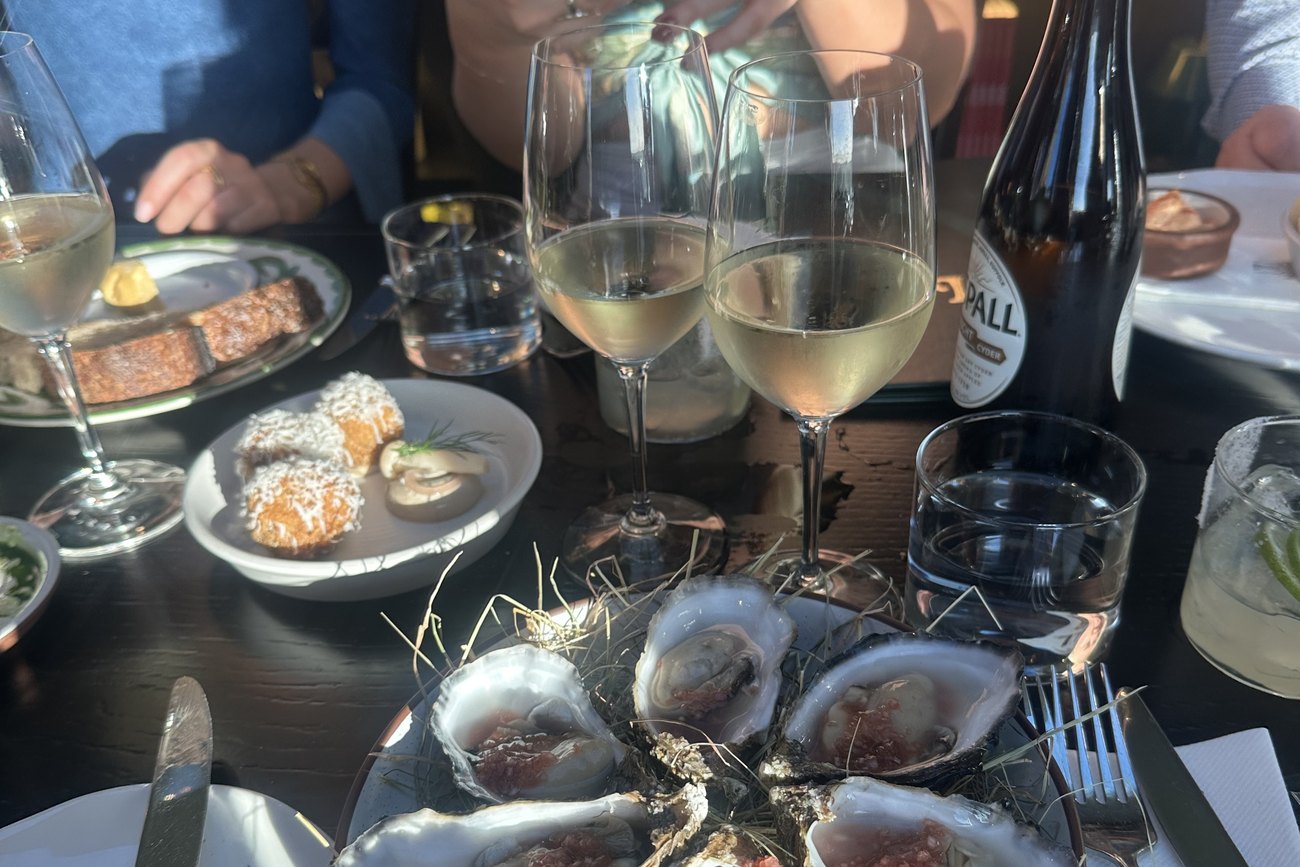
A Paris food tour comparison for travellers who want more than tasting stops: learn how neighbourhood, group size and guide shape a memorable afternoon.
Paris is one of the world's great food cities, but knowing where to eat in Paris can be overwhelming. The city is divided into 20 arrondissements, each with its own atmosphere, specialties…