Where Do Parisians Buy Pastries? A Local Guide
Wondering where do Parisians buy pastries? Find neighbourhood pâtisseries, what to order, and the small rituals that make a Paris sweet stop feel local.
Paris has a habit of rewarding the person who looks twice. Between the grand boulevards of the 2nd and 9th arrondissements, discreet entrances lead into a more intimate city: glass-roofed corridors, worn mosaic floors, old shop signs and cafés that invite you to linger.
The best hidden passages in Paris are not quite secret, nor should they be. They are fragments of 19th-century Paris that still offer a delicious pause from the traffic, queues and spectacle outside.
Built largely before Baron Haussmann reshaped the capital with broad avenues, these covered passages gave Parisians a dry, elegant place to shop, promenade and be seen. At their height, there were well over 100. Today, a smaller constellation remains, each with its own temperament. Some are polished and theatrical; others feel gently timeworn, with a sense that the city has simply carried on around them.
A passage walk works beautifully as a late-morning or early-afternoon interlude, particularly if you are staying near the Louvre, Opéra or the Marais. Begin when the boutiques and bookshops are open, rather than treating these galleries as a quick shortcut.
The pleasure is in noticing the details: a painted ceiling, a brass door handle, the particular light caught beneath iron and glass.
Most passages are free to enter, but individual businesses keep their own hours. Sundays can be quiet in a way that feels cinematic, though some shops and cafés may be closed. Weekdays offer more life, especially around lunch, while rainy weather gives the glass roofs their proper purpose.
Wear comfortable shoes suited to cobbles and slow wandering, and keep your plans loose enough for an unplanned espresso, antique print or bottle of wine.
Passage des Panoramas is often called Paris's oldest surviving covered passage, and it has the confidence of a place that has seen every fashion come and go. Opened in 1799, it began as an entertainment venue associated with panoramic paintings, then became a lively address for stamp dealers, engravers and collectors.
Today, its narrow, slightly crooked length is part of its charm. You will find philatelic shops alongside small restaurants and bars, with richly lettered façades that make even a casual stroll feel like a scene from another era.
Come here hungry. This is one of the passages where sitting down is as rewarding as walking through.
If you picture a Parisian passage in your mind, it may look a little like Galerie Vivienne. Opened in 1823, it is the grande dame of the group: refined, luminous and dressed in elaborate mosaic flooring, decorative columns and a graceful glass canopy.
Its appeal lies in the blend of beauty and everyday commerce. Independent shops, a wine bar, a bookshop and places for a leisurely meal make it feel lived-in rather than preserved behind glass.
The gallery is close to the Palais-Royal, so it is easy to pair with the gardens, arcades and quieter corners of that neighbourhood. Arrive early if you want to photograph the mosaics without stepping around a crowd.
Just a few minutes from Galerie Vivienne, Galerie Colbert is a useful reminder that not every passage needs to be full of shopping bags to feel worthwhile.
Its circular rotunda, topped by a glass dome, creates a striking little moment of grandeur. The gallery now houses cultural and academic institutions, lending it a quieter, more contemplative atmosphere.
It is generally less commercially animated than Vivienne, which is precisely why it deserves a stop. Walk through for the architecture, look up at the dome, then continue into the surrounding streets.
This is a lovely choice for travellers drawn to Parisian intellectual history and the city's talent for making even a corridor feel considered.
Passage Jouffroy has a playful, slightly eccentric energy. Opened in 1847, it was among the early passages built with metal and glass, a combination that still feels light-filled and modern despite its age.
Its tiled floor and peaked roof lead you past souvenir shops, booksellers and small curiosities.
The passage is especially appealing for vintage-minded visitors. Look for the atmosphere rather than a perfect shopping list: the charm lies in old-fashioned displays, illustrated signs and the possibility of finding a small object with a story.
At one end, the entrance to the Musée Grévin sits behind its grand façade, a suitably theatrical neighbour.
Continue north from Jouffroy and you arrive at Passage Verdeau, its more understated sibling.
It tends to be calmer, with antique dealers, art galleries and shops that feel pleasingly unhurried. The light is softer here, and the whole passage has a gently faded elegance.
For anyone who prefers old maps, prints, paintings and the patient pleasure of looking, this may become a favourite.
It is less polished than Galerie Vivienne and less bustling than Passage des Panoramas. That is not a compromise. It is the point. Passage Verdeau rewards an unhurried eye and a willingness to browse without needing to buy.
Passage du Grand-Cerf makes an immediate impression with one of the highest glass roofs in Paris. Opened in 1825 and restored in the late 20th century, it feels airy and almost unexpectedly spacious after the tighter corridors nearby.
Its boutiques lean towards design, jewellery, fashion and homewares, making it a good choice for travellers looking for something more contemporary than a traditional souvenir.
The glass and iron structure gives the passage a handsome industrial delicacy, particularly on a grey Paris afternoon. It is also close to rue Montorgueil, making it easy to follow a browse with cheese and pastries or a glass of something cold.
Passage du Caire is a different proposition: less polished, more workaday, and all the more compelling for it.
Opened in 1798, it is one of the city's longest covered passages and is named for the Egyptomania that swept France after Napoleon's campaign. Look for the sculpted Egyptian-style heads above its entrance.
Inside, the mood is tied to the garment trade. Showrooms and wholesalers sit alongside the remnants of an older commercial Paris, and the passage can feel subdued outside business hours.
Go with curiosity rather than expectations of boutique shopping. It offers texture, history and a welcome corrective to the idea that every beautiful Parisian corner must be perfectly styled.
Passage Brady feels like a journey across more than one city block. Its covered western section has a warm, busy character shaped by South Asian restaurants, grocers and the scent of spices. The passage then crosses boulevard de Strasbourg before continuing in an open-air stretch.
This is one of the most rewarding passages to visit with an appetite.
It tells a more contemporary Paris story — one of migration, neighbourhood life and cuisines that have become part of the city's fabric.
It may not deliver the gilded romance of Galerie Vivienne, but it offers something equally valuable: the pleasure of Paris as a living, changing place.
Near the Louvre and the Palais-Royal, Passage Vérot-Dodat is a darkly elegant jewel box.
Opened in 1826, it has black-and-white tiled floors, deep red walls, mirrored storefronts and lamps that cast a particularly flattering glow in the late afternoon.
The passage is short, but it is worth seeking out for its atmosphere alone. Its restrained glamour feels almost cinematic, and it has long appealed to those with an eye for craft, fashion and design.
Treat it as a detour between larger sights, not a destination to rush through. A few quiet minutes here can reset the pace of a busy day around central Paris.
Passage Choiseul stretches for nearly 200 metres between rue Saint-Augustin and rue des Petits-Champs.
It has a more everyday pulse than many of its ornate counterparts, with casual eateries, small shops and people cutting through on their way elsewhere.
That ordinariness is part of its appeal. The writer Louis-Ferdinand Céline spent part of his childhood here, and the passage retains an appealingly unvarnished sense of city life.
Visit around lunchtime, when nearby workers and students bring it to life, then emerge near the Opéra district ready to continue your wander.
The most satisfying route is not necessarily the one that ticks off all 10.
For a concentrated afternoon, pair the connected trio of Passage des Panoramas, Passage Jouffroy and Passage Verdeau. Their proximity makes them an easy sequence, with plenty of opportunities to stop for a drink, browse a shop or pause over an interesting window display.
Alternatively, combine Galerie Vivienne, Galerie Colbert and Passage Vérot-Dodat with the Palais-Royal. This route suits travellers who prefer elegant architecture, history and a more polished atmosphere.
Add Passage Brady when food is the focus, or seek out Grand-Cerf and Passage du Caire when you want a more textural and less formal side of the city.
You do not need to visit all ten. In fact, trying to do so may miss the point.
These galleries are best approached with the same instinct that makes Paris memorable in the first place: leave room for appetite, conversation and surprise.
On a private Paris walk with Rêverie Tours, a local guide can weave the passages into a day shaped around your interests, whether that means fashion, philosophy or wine, or simply the small historical details most visitors pass by.
Do not rush to the next monument when you step back onto the boulevard. Turn around once more, watch the light on the glass roof, and let one of these passages give your Paris story a quieter, more personal chapter.
Paris's covered passages are historic pedestrian galleries, many dating from the late 18th and early 19th centuries. Built with glass, iron and decorative architectural details, they originally offered Parisians a sheltered place to shop, promenade and socialise.
Today, the surviving passages contain a mixture of shops, restaurants, galleries and cultural spaces.
Galerie Vivienne is often the first choice for travellers looking for the classic Parisian passage experience. Its mosaic floors, decorative columns and glass canopy give it an especially elegant atmosphere.
Passage du Grand-Cerf is another striking option, particularly for its tall glass roof, while Passage Vérot-Dodat has a darker, more intimate character.
Passage des Panoramas is often described as the oldest surviving covered passage in Paris. It opened in 1799 and retains much of the character that makes these galleries so appealing today.
Most of Paris's covered passages are free to enter. However, individual shops, restaurants and other businesses have their own opening hours, so the experience can vary depending on when you visit.
Many of the best-known passages are concentrated around the 2nd arrondissement, making them relatively easy to explore together.
Passage des Panoramas, Galerie Vivienne, Galerie Colbert, Passage Jouffroy and Passage Verdeau are particularly convenient to combine. Other passages, including Passage Brady and Passage du Grand-Cerf, can be incorporated into wider neighbourhood walks.
You can see one or two passages in 30–60 minutes, but a more enjoyable experience is to allow two to three hours for several galleries, with time for coffee, shopping or a meal along the way.
The passages are best enjoyed slowly rather than treated as a checklist.
Late morning or early afternoon is a good time to visit if you want the shops, bookshops and cafés to be open. Weekdays tend to have more everyday activity, while Sundays can feel quieter, although some businesses may be closed.
Rainy days can be particularly atmospheric beneath the glass roofs.
Yes. A private guide can add historical and cultural context to the passages while connecting them with nearby neighbourhoods, shops, cafés and other points of interest.
This can be particularly useful if you are interested in a specific theme, such as architecture, fashion, food or the intellectual history of Paris.
Galerie Vivienne is a good choice for elegant independent shops and a refined atmosphere. Passage Jouffroy and Passage Verdeau are appealing for vintage objects, books, antiques and curiosities, while Passage du Grand-Cerf has a more contemporary selection of design, jewellery and fashion.
The best choice depends on whether you are looking for fashion, antiques, books, food or simply something unusual to take home.
Yes, particularly if you want to experience a quieter side of central Paris without travelling far from the major sights.
You do not need to visit all ten. Choosing two or three passages and combining them with nearby neighbourhoods, cafés or attractions can make a memorable half-day without taking over your itinerary.
Comfortable shoes are the main essential, particularly if you plan to combine several passages with a longer neighbourhood walk.
Bring enough time to wander rather than rushing between locations. A flexible itinerary is useful, as the appeal of these galleries lies as much in the unexpected shop, café or architectural detail as in the passage itself.
Explore our Paris experiences: philosophy walks, vintage shopping, oysters and Champagne, and custom food and wine tours.
Explore Paris Tours
Wondering where do Parisians buy pastries? Find neighbourhood pâtisseries, what to order, and the small rituals that make a Paris sweet stop feel local.
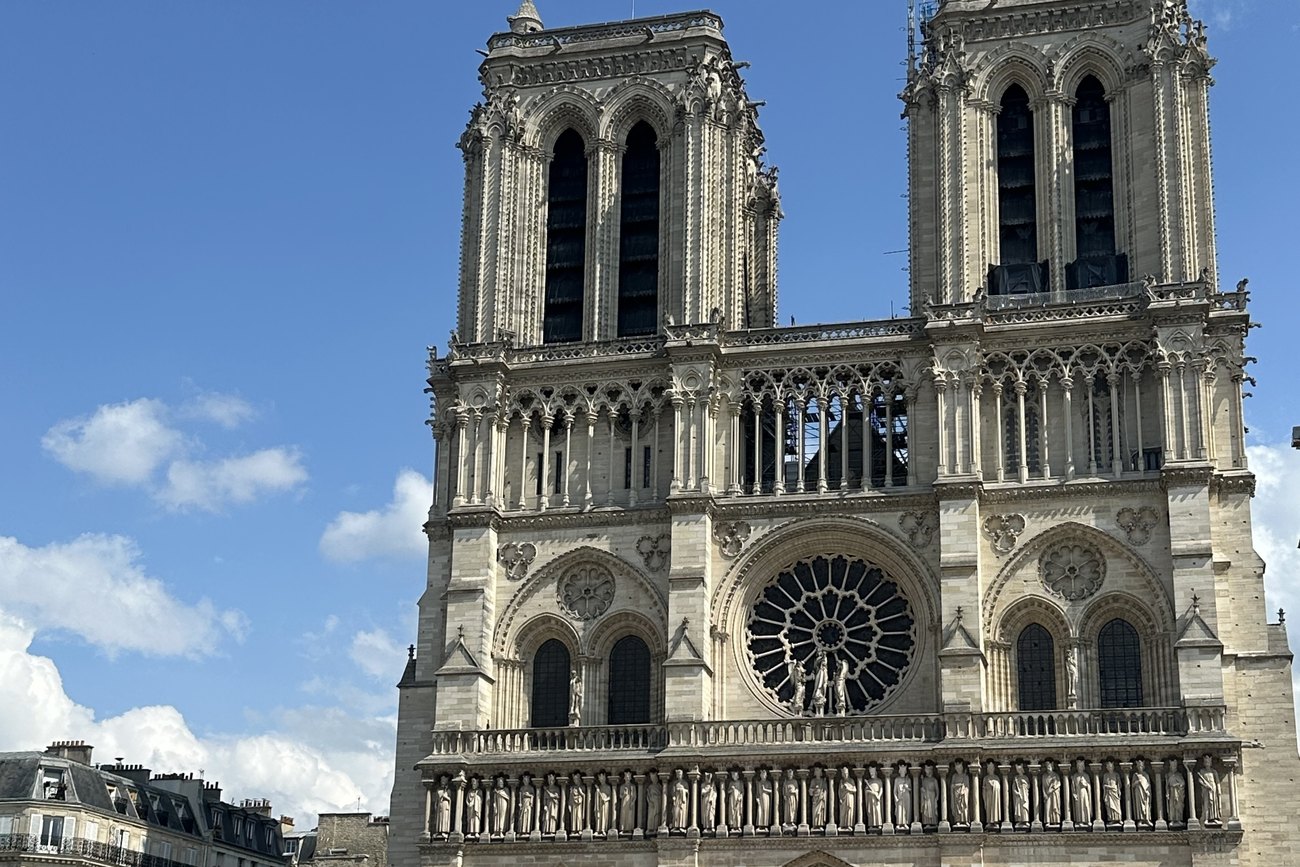
Use this Paris neighbourhood walking guide to wander six characterful quarters, with smart pacing, food stops and the stories that make Paris linger on.