Where Do Parisians Buy Pastries? A Local Guide
Wondering where do Parisians buy pastries? Find neighbourhood pâtisseries, what to order, and the small rituals that make a Paris sweet stop feel local.
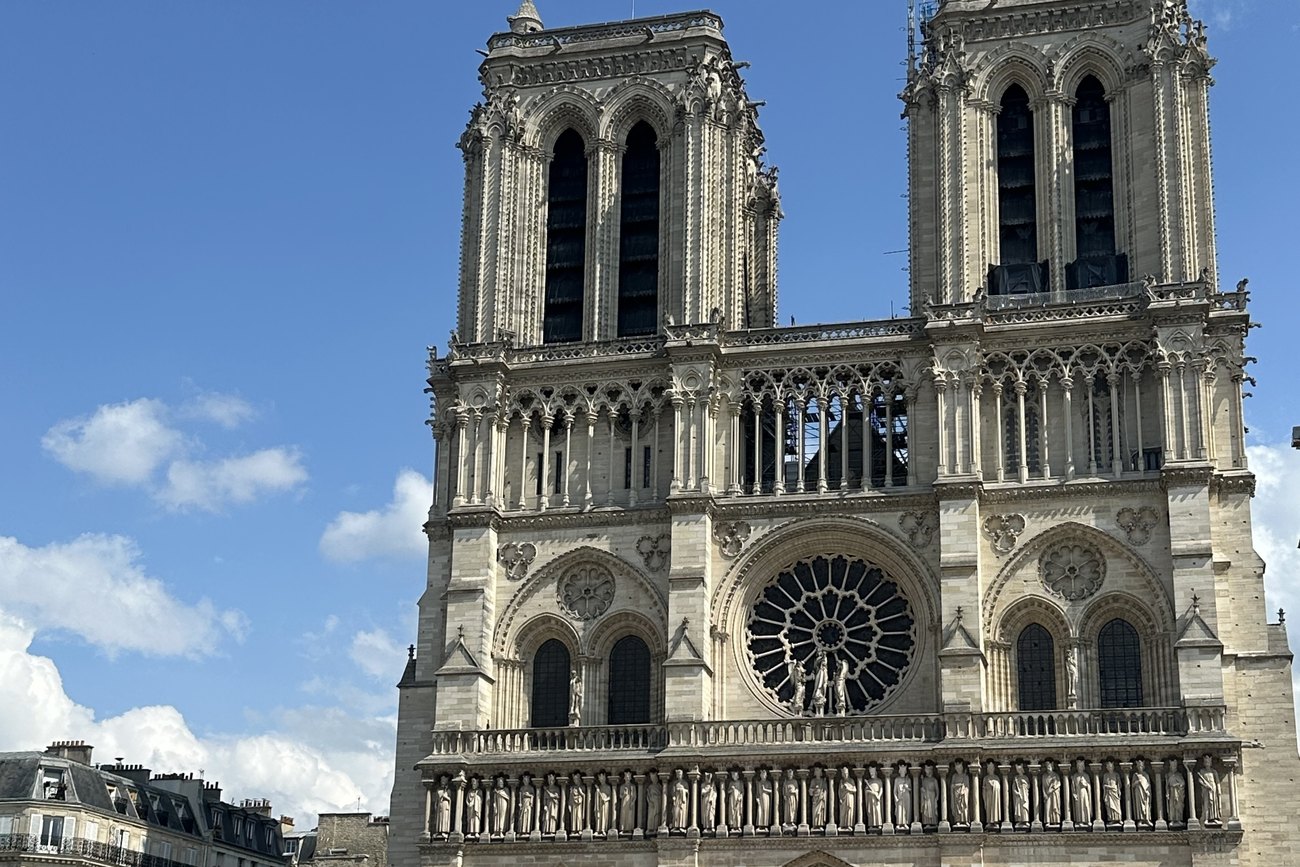
Paris is best understood at the pace of a coffee cooling on a café table. This Paris neighbourhood walking guide is for travellers who would rather follow a beautiful street into an unfamiliar quarter than spend the day ticking monuments from a list. Choose one or two areas, leave room for a glass of wine or a lingering lunch, and let the city reveal its different moods.
The practical secret is simple: Paris is compact, but it is not a city to rush. A two- to three-hour walk, with one purposeful stop, feels generous. Trying to cross five arrondissements before dinner rarely does. These six neighbourhoods offer distinct ways to spend a morning or afternoon, whether your Paris daydream involves philosophers, vintage silk, oysters, hidden courtyards or a view across tiled roofs.
Saint-Germain-des-Prés has been romanticised for good reason, though its pleasures are easily missed if you only photograph the famous cafés and move on. Begin near the ancient church, then slip along the quieter streets behind Boulevard Saint-Germain, where bookshops, art galleries and handsome hôtel particuliers soften the theatre of the main boulevard.
This is a neighbourhood that rewards curiosity about the people who gave it its intellectual charge. Sartre and de Beauvoir are part of the familiar story, but so are the publishers, painters, musicians and students who treated these streets as an extension of their salons. Pause in a café, not necessarily the most famous one, and notice how naturally the neighbourhood still makes room for conversation.
For a gentle route, walk from Saint-Germain-des-Prés towards Rue de Buci and the covered passages of Cour du Commerce-Saint-André, then continue to the river. It is an excellent choice for a first afternoon in Paris, particularly if you want a sense of the city’s literary and philosophical life without the formality of a museum visit.
Across the river, the Latin Quarter feels denser, older and a little less composed. Its medieval lanes do not always follow a logical grid, which is precisely the point. Here, the pleasure lies in allowing the footpath to lead you past centuries of university life, pocket-sized cinemas, old bookstalls and modest restaurants filled with locals and students.
Start around Place de la Sorbonne, then drift towards the Panthéon and Rue Mouffetard. The walk is uphill in places, so wear proper shoes rather than saving your most delicate loafers for the occasion. The reward is a neighbourhood with texture: laundry above narrow streets, produce displays at market shops and the hum of a city that has always been shaped by young minds passing through it.
The Latin Quarter can become crowded around its headline sights. For a quieter experience, set off early or walk later in the afternoon, when the tour groups thin and the light begins to settle on the limestone façades. It is less polished than Saint-Germain, and that is its charm.
Le Marais is often introduced as a shopping district, but that description is too thin for a place where aristocratic Paris, Jewish Paris, queer Paris and contemporary design meet within a few blocks. The neighbourhood asks you to look up as much as you look into shop windows. Behind a heavy wooden doorway may be a peaceful courtyard, a sculptural staircase or an unexpectedly grand façade.
Begin at Place des Vosges, whose red-brick symmetry still feels almost theatrical, and walk north through Rue des Francs-Bourgeois towards the smaller streets around Rue Vieille-du-Temple. This is the right quarter for independent labels, vintage treasures and pieces with a story rather than a logo. Vintage shopping works best with patience: inspect fabric, check condition, and remember that French sizing can be less forgiving than expected.
For food, allow time around Rue des Rosiers, where the flavours and rhythms of the historic Jewish quarter remain part of the neighbourhood’s living character. Le Marais suits travellers who like to pair culture with style, but it is popular for a reason. Visit on a weekday morning if you prefer browsing to crowds.
North-east of the classic centre, Canal Saint-Martin offers a more residential vision of Paris. The water, iron footbridges and plane trees create an easy rhythm, while design shops, natural-wine bars and bakeries lend the area a youthful, relaxed energy. It is a lovely antidote to a tightly scheduled itinerary.
Begin near République and follow the canal north towards Jaurès. There is no need to march the whole distance. The best version of this walk includes time to browse a bookshop, choose something warm from a bakery, and claim a table or bench when you find one that feels right. In fine weather, Parisians gather along the canal with friends and a bottle, making it an ideal place to observe everyday life rather than perform tourism.
The trade-off is that this is not the Paris of grand monuments. Choose Canal Saint-Martin when you want atmosphere, local colour and a slower afternoon, rather than a roll call of must-see sights.
Montmartre can feel like a postcard at midday and like a village in the early morning. The difference is timing. Arrive before the souvenir shops fully awaken, preferably with a pastry in hand, and take the smaller streets beyond Sacré-Cœur instead of heading straight for the busiest staircase.
Walk through the lanes around Rue de l’Abreuvoir and Place Dalida, then seek out the remnants of the hill’s rural past: vines, windmills, crooked façades and views that appear between buildings. The area’s artistic mythology is everywhere, from the ghosts of cabarets to the studios once occupied by painters who came for cheap rent and northern light.
Montmartre is steep, so it may not suit every pace or mobility need. But for couples, photographers and anyone drawn to Paris at its most cinematic, the climb is worth it. Finish with a coffee below the hill rather than in the most crowded square, and you will leave with a more intimate memory of the neighbourhood.
For a Paris evening that begins with a walk and ends somewhere delicious, head to the 11th arrondissement. Around Oberkampf, Charonne and Bastille, former workshop streets have become a lively mix of wine bars, small restaurants, ceramic studios and independent shops. It is a neighbourhood of choices, which makes a little restraint useful.
Start in late afternoon, perhaps around Rue de Charonne, and wander without a fixed destination for an hour before settling on a place for an aperitif. This is an especially rewarding quarter for travellers who care about what is on the table: seasonal cooking, careful wine lists and chefs who take small rooms seriously. Reservations can matter, particularly from Thursday through Saturday, so do not assume the best-looking bistro will have a spare table.
Unlike the grander western arrondissements, the 11th feels energetic and lived-in. It may lack the polished romance of Saint-Germain, but it offers another kind of Parisian pleasure: a night unfolding naturally, one good address leading to the next.
The strongest Paris walks have a theme, even an informal one. You might follow the city’s great thinkers through Saint-Germain and the Latin Quarter, search for a singular wardrobe piece in Le Marais, or make an afternoon of oysters, Champagne and river light near the centre. A local guide can add the context that turns an attractive street into a story, especially in neighbourhoods where the most memorable details are tucked behind an unmarked door or concealed in plain sight.
Rêverie Tours creates intimate walks for travellers who want that deeper thread, from cultural conversations to personal vintage shopping and food-led neighbourhood rambles. The value is not simply knowing where to turn. It is understanding why a certain square matters, what to order with a glass of wine, and how a Parisian neighbourhood became itself.
Leave one part of the day unscripted. Take the side street that has no pin on your map, order the thing you cannot quite pronounce, and give Paris enough time to become more than a backdrop.
What's the best Paris neighbourhood to visit if I only have one day?
Saint-Germain-des-Prés, in the 6th arrondissement, is the easiest single choice for a one-day visit — it pairs café culture and literary history with an easy walk across the river to the Latin Quarter. If you'd rather trade a little polish for shopping and hidden courtyards, Le Marais (3rd/4th) does the job just as well.
Le Marais and Saint-Germain-des-Prés are the best base for a first visit. Both sit centrally on either side of the Seine, connect easily on foot to the major landmarks, and each has enough character of its own that you'll feel like you're seeing Paris rather than a tourist corridor between sights.
Paris doesn't really have "no-go" neighbourhoods among the areas a visitor is likely to walk through. Ordinary city sense — watching your bag in a crowd, staying alert near major stations late at night — applies from Montmartre to the Latin Quarter equally. The bigger threat to a good day out is crowding, not safety, so the fix is timing: walk Montmartre or Rue Mouffetard early rather than skipping them.
The Latin Quarter (5th arrondissement) and Le Marais (3rd/4th) are the most walkable central neighbourhoods, with narrow, largely pedestrian streets built for wandering without a map. Montmartre (18th) rewards walking too, but its hills and staircases make it a poor fit if flat ground matters to you.
One, or at most two that sit next to each other. A two- to three-hour walk with a single purposeful stop — a café, a shop, a meal — is enough to feel a neighbourhood properly. Trying to cross five arrondissements before dinner usually turns the day into transit instead of travel.
The border of Saint-Germain-des-Prés and the Latin Quarter, around Marché Maubert in the 5th arrondissement, is one of the best settings in the city for an oyster, Champagne and wine outing. For a dinner-led evening of small, chef-driven restaurants and natural wine bars, the 11th arrondissement (Oberkampf, Charonne, Bastille) is the stronger pick.
Le Marais, especially the streets around Rue Vieille-du-Temple and Rue des Francs-Bourgeois, has the highest concentration of vintage and independent shops in central Paris, on top of its history and courtyards.
Yes, if you time it right. Montmartre is at its best early in the morning, before the souvenir shops and tour groups arrive — the streets around Rue de l'Abreuvoir and Place Dalida keep their village feel even once the square by Sacré-Cœur fills up later in the day.
Morning suits the older, denser quarters — the Latin Quarter and Montmartre both get busier as the day goes on. Canal Saint-Martin and the 11th arrondissement work better later, in the afternoon and evening, when locals are out walking or settling in for an aperitif.
Either works, depending on what you want from the day. Self-guided walking suits travellers happy to follow a street on instinct, while a local guide adds the context that turns an attractive square into a story — why it matters, what to order nearby, which unmarked door hides a courtyard worth seeing. Rêverie Tours builds exactly that kind of walk, from a vintage shopping route through Le Marais to an oyster, wine and Champagne tasting near Saint-Germain.
Explore our Paris experiences: philosophy walks, vintage shopping, oysters and Champagne, and custom food and wine tours.
Explore Paris Tours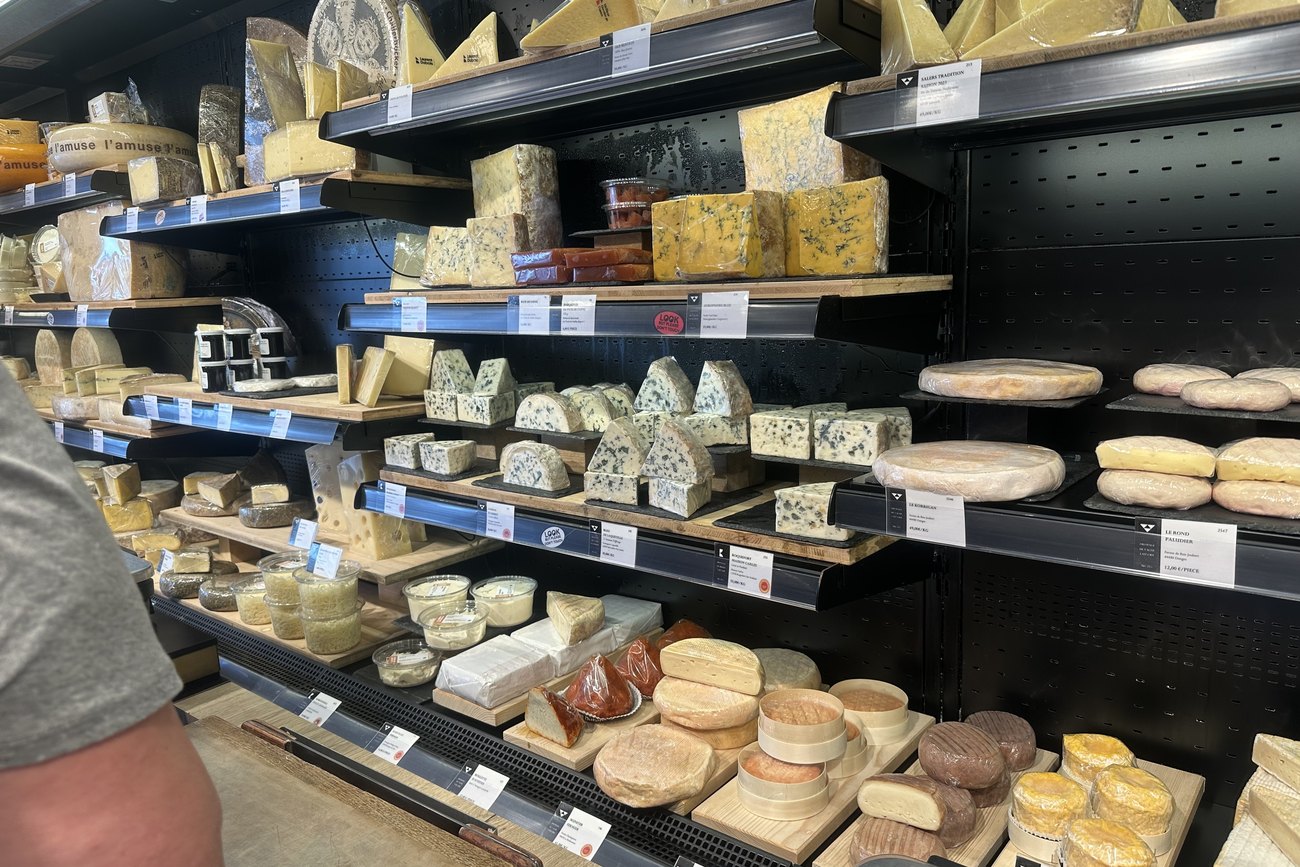
Wondering where do Parisians buy pastries? Find neighbourhood pâtisseries, what to order, and the small rituals that make a Paris sweet stop feel local.
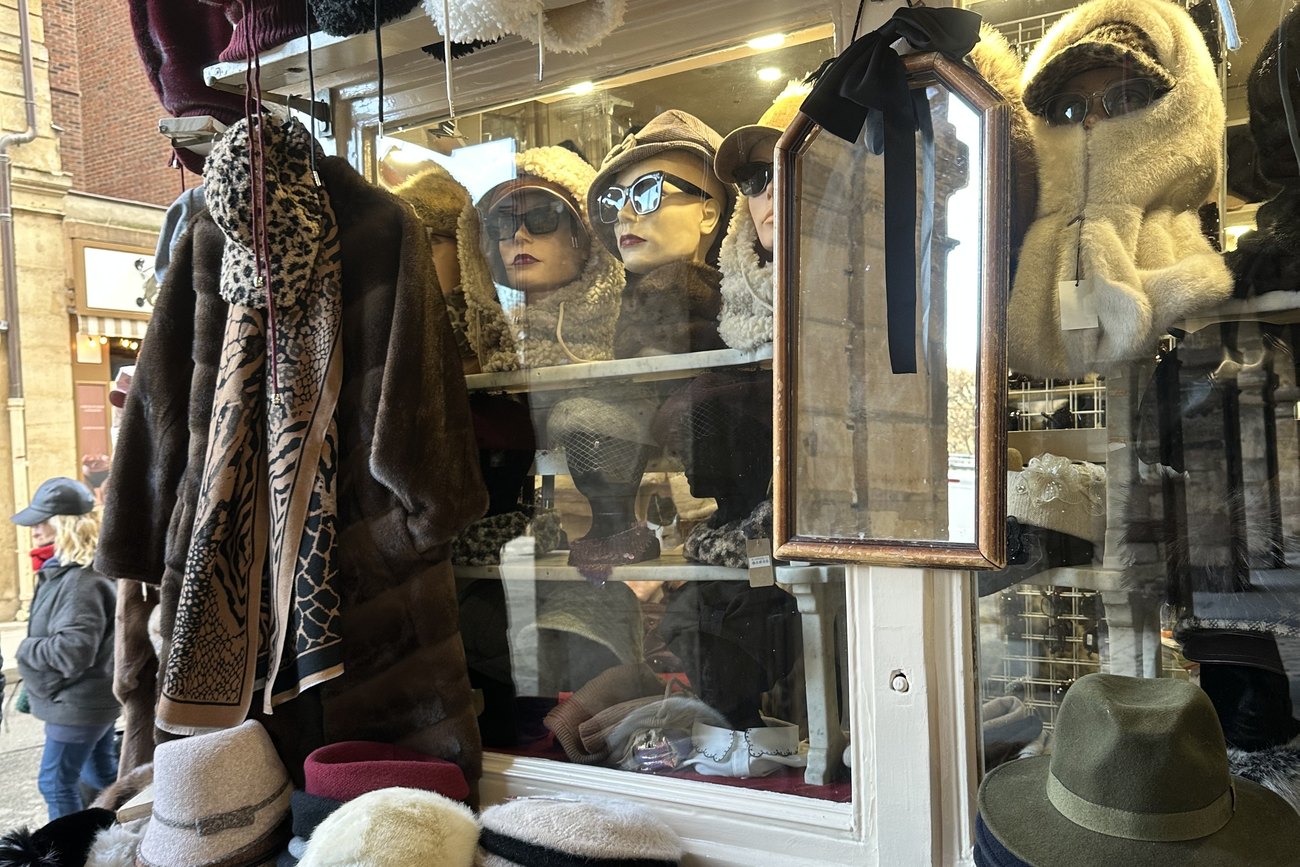
Paris boutique guide for travellers seeking vintage treasures, independent designers and neighbourhood shops with a little more story and style in Paris.