Where Do Parisians Buy Pastries? A Local Guide
Wondering where do Parisians buy pastries? Find neighbourhood pâtisseries, what to order, and the small rituals that make a Paris sweet stop feel local.
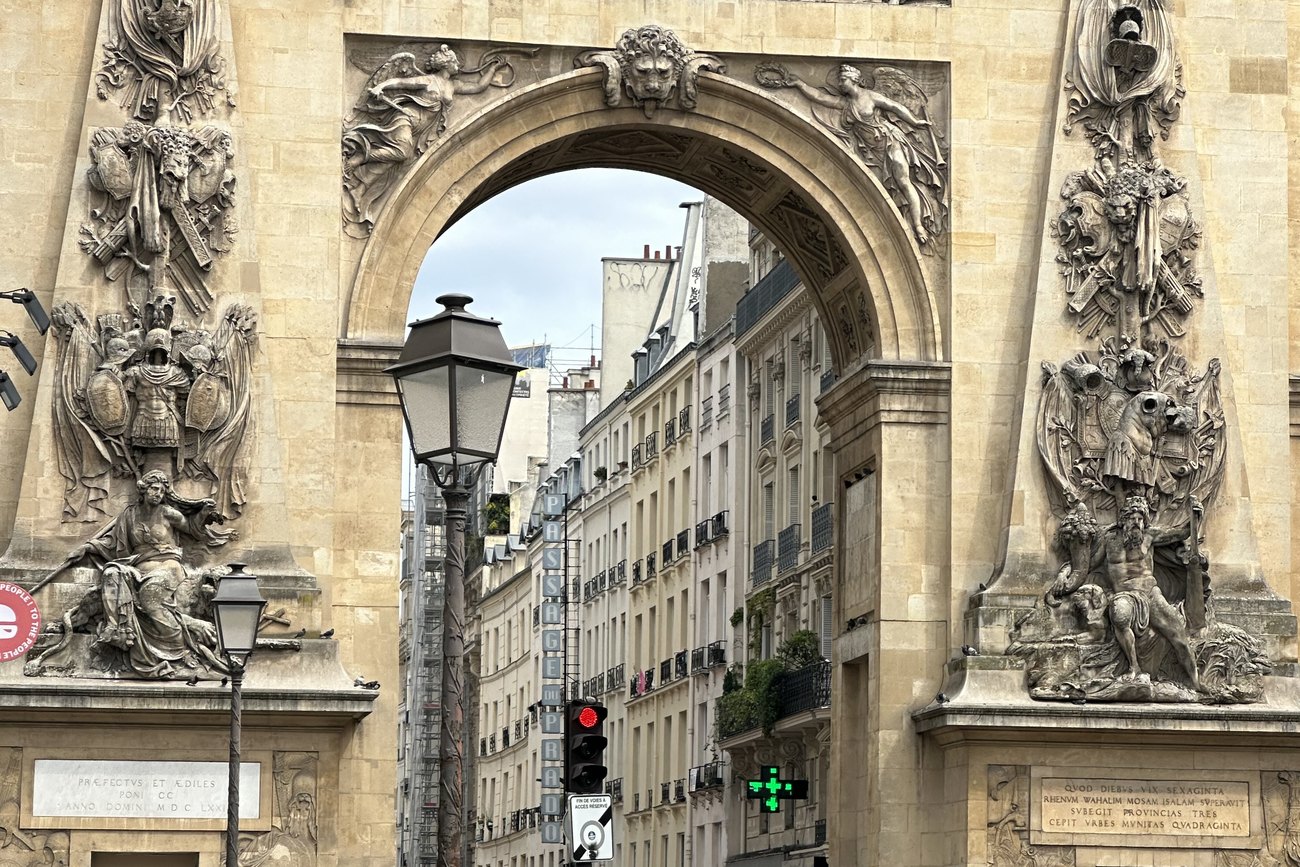
Paris changes character according to the question you bring to it. Come looking for romance and you may find it in a rain-darkened café terrace. Arrive curious about ideas, style or appetite, and a custom Paris cultural itinerary becomes something more intimate than a string of museum tickets: a day shaped around the places, flavours and stories that stay with you.
The most memorable Paris visits rarely begin with a checklist. They begin with a preference. Perhaps you would rather trace the intellectual life of the Left Bank than queue for another grand monument. Perhaps your version of Paris is trying oysters with a chilled glass of white wine, or finding a vintage silk jacket in a shop where every rail seems to hold a former life. The city has room for all of it, but it rewards a little intention.
A cultural itinerary should reflect your pace as much as your interests. Paris is compact enough to cover a great deal on foot, yet it can become exhausting when every arrondissement is treated as a task to complete. Choose one or two themes for each day, then leave space for a long lunch, an unplanned bookshop visit or the small pleasure of sitting beside an open window with coffee.
For first-time visitors, the major sights may still belong in the picture. Seeing the Louvre’s courtyard in the early morning or the Eiffel Tower light up after dinner can be genuinely moving. The trade-off is that these landmarks consume time and energy, particularly in high season. Pair them with a quieter counterpoint nearby rather than trying to cross the city immediately afterwards.
A day near the Louvre might lead naturally into the covered passages, where 19th-century Paris still flickers in old shopfronts, cafés and small galleries. A morning in Saint-Germain-des-Prés can become an afternoon of literary history, philosophical conversation and lingering over a glass of wine. Geography is useful, but atmosphere is the better organiser.
The most personal itineraries have a thread. It need not be scholarly or overly planned. It simply gives the day a sense of shape, turning separate stops into a story you can inhabit.
Paris has never kept philosophy safely in lecture halls. Its arguments spilled into cafés, salons, publishing houses and streets. On the Left Bank, names such as Simone de Beauvoir, Jean-Paul Sartre and Albert Camus feel less like distant figures when placed within the cafés, bookshops and post-war neighbourhoods where their ideas circulated.
A philosophy and history walk is especially rewarding for travellers who have visited Paris before and want to see beyond the postcard. Rather than memorising dates, you begin to understand why Saint-Germain became shorthand for existentialism, how the Latin Quarter earned its intellectual reputation, and why a café table could once feel like a public stage. It is culture with a pulse, not culture behind glass.
Parisian style is often discussed as if it arrives effortlessly, but the most interesting wardrobes are assembled through instinct, patience and a sharp eye. Vintage shopping offers a different kind of cultural reading: fabric, cut, labels and jewellery reveal changing notions of glamour, work and femininity across decades.
The right route depends on your taste and budget. A collector may want beautifully preserved designer pieces and specialist dealers; someone seeking a singular holiday find may prefer a well-curated boutique with scarves, handbags and everyday treasures. The pleasure lies in having a local perspective that can distinguish a true find from an overpriced imitation, while making room for the unexpected. You are not simply buying clothes. You are choosing a fragment of Paris to take home.
Food is one of the city’s most immediate forms of culture, particularly when it is approached with curiosity rather than urgency. An oyster tasting tells a story of French coastlines, seasonality and the particular theatre of a brasserie counter. Champagne brings another set of details: dryness, texture, provenance and the moment a bottle is opened at the table.
Neighbourhood food tours work best when they are not treated as a race between samples. Leave time to talk to the people behind a product, notice the difference between a busy market street and a polished gourmet address, and understand what Parisians actually order. A good tasting might include wine, cheese, pastry or seafood, but its real value is context. You leave knowing why something tastes the way it does, and where it belongs in French life.
Parisian neighbourhoods are not interchangeable backdrops. The Marais has its own rhythm of aristocratic courtyards, independent shops, Jewish food traditions and late-afternoon energy. Saint-Germain-des-Prés feels literary and refined, though its quieter lanes offer more than its famous terraces. Montmartre still carries the imprint of artists and cabarets, but calls for an early start if you want to feel its village-like side before the crowds arrive.
For a more lived-in atmosphere, consider building an afternoon around the Canal Saint-Martin, the 11th arrondissement or the market streets of the 9th. These areas can be particularly appealing for repeat visitors who have already seen the grand boulevards. They offer design shops, wine bars, bakeries and ordinary Parisian movement - parents collecting children, friends gathering for apéro, deliveries rolling along the footpath.
There is no need to dismiss the famous districts in favour of lesser-known ones. A custom itinerary can hold both. The secret is contrast: a glorious museum followed by a modest wine bar; a historic church followed by a vintage appointment; a grand avenue followed by a corner table in a place you would never have found alone.
A private or small-group cultural walk can be a particularly elegant way to begin a Paris stay. In two to two-and-a-half hours, a knowledgeable local can give texture to a neighbourhood, help you understand what you are seeing and point you towards places worth returning to on your own. It is less about being led from one landmark to the next and more about acquiring a feel for the city.
At Rêverie Tours, this might mean a walk through the intellectual Paris of philosophers and writers, a personalised vintage-fashion outing, or a food and wine experience tailored to your appetite. The right choice depends on what you want from the day. Couples may enjoy a Champagne or oyster tasting as a lovely pre-dinner occasion, while solo travellers often find that a thematic walk offers both confidence and connection during their first hours in the city.
Customisation also means acknowledging practical realities. Museums generally require advance bookings, some independent shops keep irregular hours, and Paris is more enjoyable when you do not schedule every minute around a 9.00 am start. If you are visiting in summer, reserve the warmer middle hours for a long lunch, a gallery or a slower indoor experience. In winter, the city’s cafés, wine bars and historic passages can feel especially inviting after dusk.
The temptation in Paris is to make every hour count. Yet the city reveals itself in pauses: the wait for a table, the scent of butter from a boulangerie, the flash of gold leaf in a church you almost walked past. Efficiency has its place, particularly on a short visit, but over-planning can make Paris feel strangely distant.
Choose experiences that give you something to notice afterwards. A story about a philosopher changes the way you see a Left Bank terrace. A lesson in vintage construction changes the way you look at a department-store window. A well-poured glass of wine may make you curious about the region it came from. These are the details that transform sightseeing into living the daydream.
When you plan your Paris days, protect one hour with no purpose at all. Walk until a street feels right, order what looks good, and let the city offer its next small invitation.
Explore our Paris experiences: philosophy walks, vintage shopping, oysters and Champagne, and custom food and wine tours.
Explore Paris Tours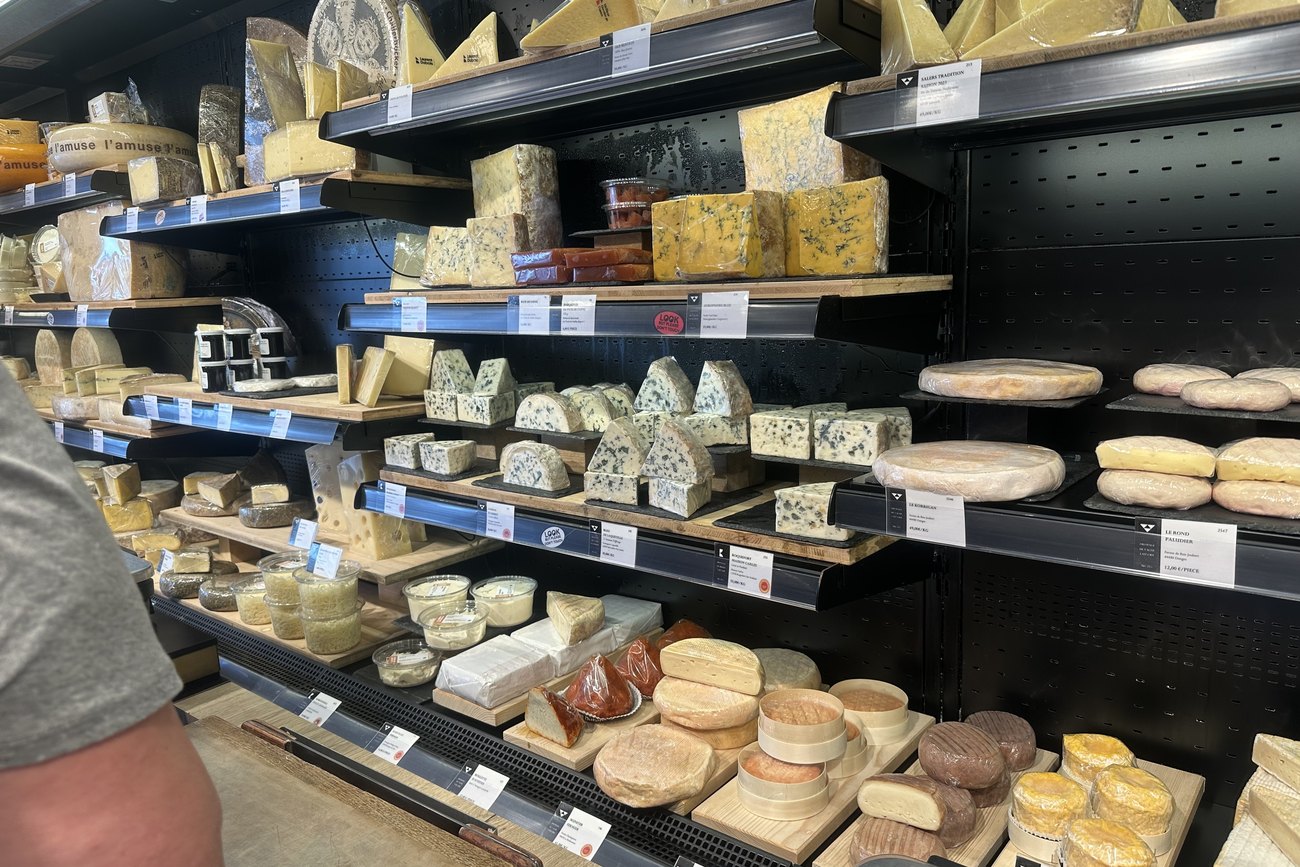
Wondering where do Parisians buy pastries? Find neighbourhood pâtisseries, what to order, and the small rituals that make a Paris sweet stop feel local.
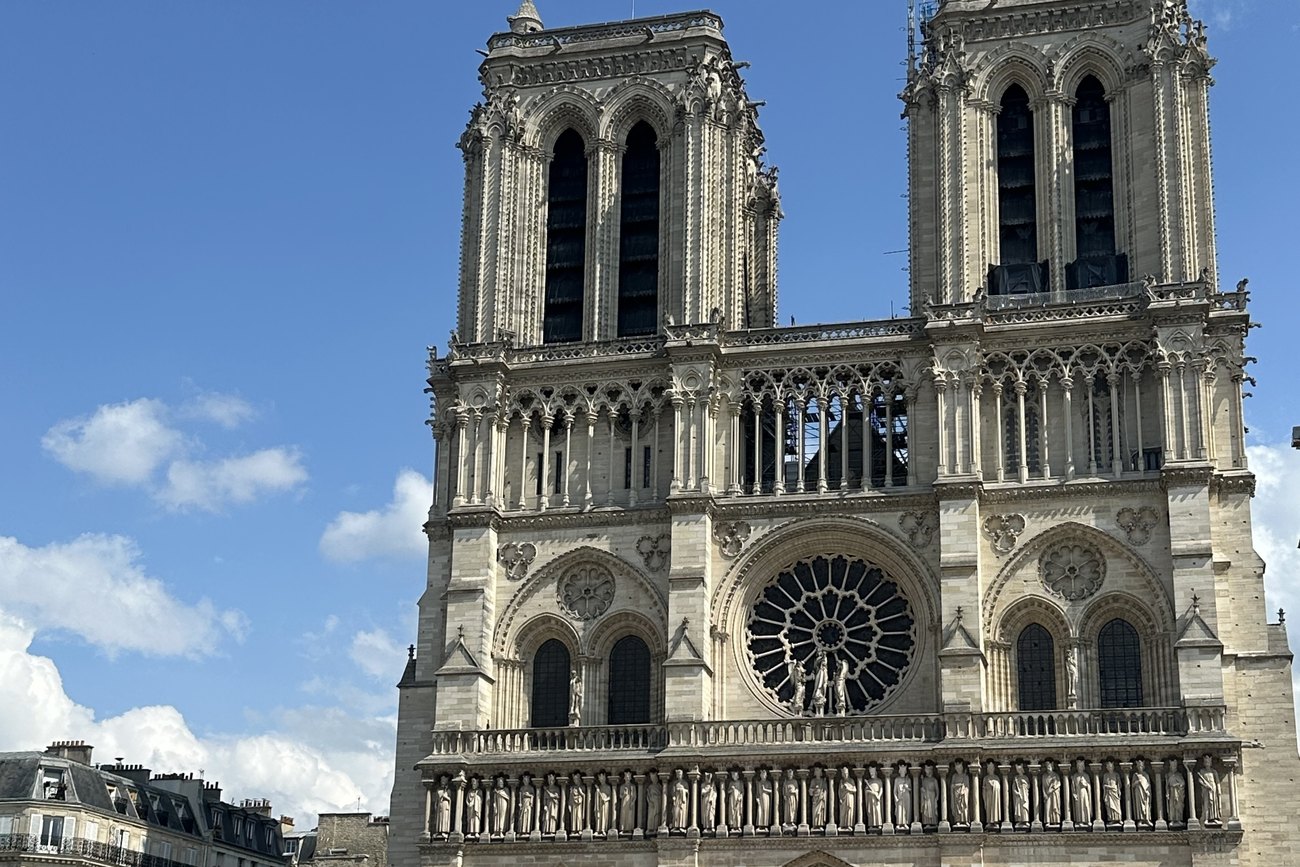
Use this Paris neighbourhood walking guide to wander six characterful quarters, with smart pacing, food stops and the stories that make Paris linger on.