Where Do Parisians Buy Pastries? A Local Guide
Wondering where do Parisians buy pastries? Find neighbourhood pâtisseries, what to order, and the small rituals that make a Paris sweet stop feel local.
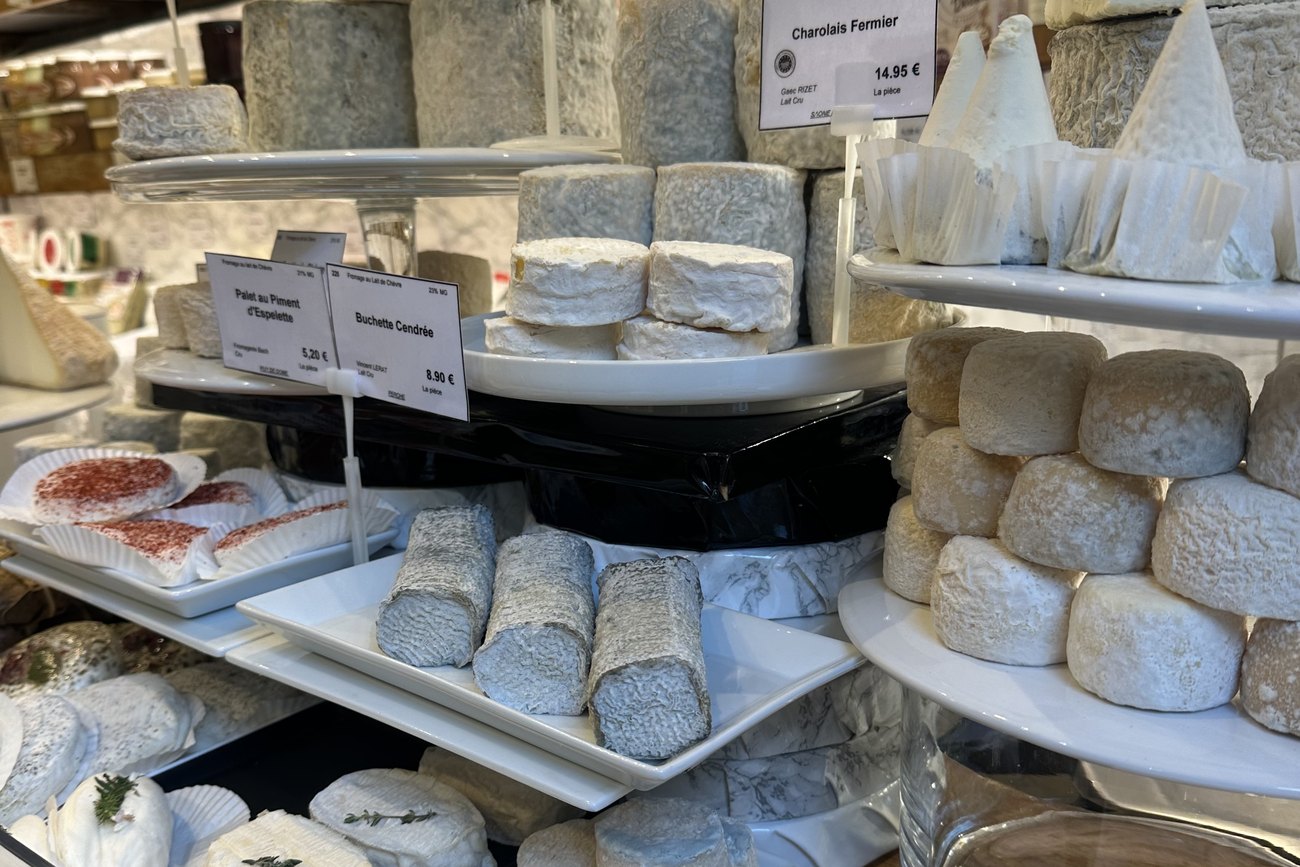
The first surprise of a French cheese tasting in Paris is that the most memorable bite may not be the famous one. It might be a tender goat's cheese wrapped in a chestnut leaf, bought at its peak from a neighbourhood fromagerie; a washed-rind wedge whose perfume makes perfect sense beside a glass of crisp white wine; or a buttery sliver of Comté that tastes faintly of toasted hazelnuts. Paris gives you access to France's extraordinary cheese landscape, but it also asks you to slow down enough to taste its nuances.
This is not a city for rushing through a generic board of brie and grapes between monuments. A proper tasting is an invitation into regional identity, seasonality and the quiet art of the cheesemonger. For travellers who would rather linger in a beautiful shop than tick off another attraction, it can become one of the most intimate ways to feel at home in Paris.
France has hundreds of cheeses, shaped by local animals, pastures, weather and methods passed between generations. Paris is not where every cheese is made, of course, but it is where the country's regions meet. In one small shop, you may travel from the Normandy coast to the Jura mountains, the Loire Valley and the Auvergne without leaving the arrondissement.
That range is only part of the pleasure. A skilled Parisian cheesemonger knows when a cheese is ready, how it will change over the next few days and what should sit beside it on the table. Cheese is alive. A young chèvre can be bright and chalky; given time, it softens, deepens and develops a more assertive character. The same is true of a washed-rind cheese such as Époisses, which can move from earthy to wonderfully pungent as it ripens.
The setting matters, too. In an independent fromagerie, the air is cool and fragrant, the display case carefully tended, and each round, wedge and log has been chosen with purpose. Rather than treating cheese as a souvenir, you begin to understand it as the French do: something seasonal, social and worthy of conversation.
It is tempting to arrive with a list of names - Camembert, Roquefort, Brie de Meaux - and there is nothing wrong with tasting the classics. Yet the most satisfying selection follows the calendar. The best choice in April may not be the best choice in October, because milk changes with the animals' diet and many cheeses have a natural season.
Spring and early summer often favour fresh, delicate goat's cheeses. Their lemony tang feels particularly lovely with a mineral white wine or a light red served slightly cool. In autumn and winter, richer mountain cheeses come into their own: nutty Beaufort, supple Abondance, alpine-style Tomme and long-aged Comté. A blue cheese can be magnificent at any time, but its salty depth calls for a thoughtful companion, perhaps a sweet wine, pear or a little walnut bread.
Ask for a progression rather than a pile of crowd-pleasers. A tasting usually moves from mild to powerful, allowing your palate to stay alert. Fresh goat's cheese, a bloomy-rind cheese, a pressed cooked cheese, a washed rind and a blue can create a beautiful arc. It is not a rule carved in stone, though. If you already adore blue cheese, begin there. Good tasting is personal, not an exam.
A little vocabulary makes the counter feel less intimidating. Bloomy-rind cheeses, including Brie and Camembert, are soft beneath their white rinds and often taste of mushrooms, cream and butter. Washed-rind cheeses are bathed during ageing, giving them an orange exterior, a creamy texture and a famously aromatic personality.
Pressed cheeses such as Comté, Cantal and Ossau-Iraty tend to be firmer, with flavours ranging from milk and grass to caramel, fruit and roasted nuts. Blue cheeses are pierced so mould can form delicate veins through the paste, bringing salt, spice and a lingering savoury note. Goat's and sheep's milk cheeses each bring their own character: goat's milk is often bright and herbal, while sheep's milk can feel sweet, rounded and lush.
These categories are useful guides, not labels of quality. A mild cheese is not less sophisticated than a strong one. Often, the most elegant cheese on the board is the quietest.
Your ideal French cheese tasting in Paris depends on how you like to travel. An independent cheese shop is best for seeing the full range and speaking directly with the person caring for the cheeses. Visit in the morning or early afternoon, when there is time for a proper conversation. Tell the cheesemonger how many people you are feeding, when you plan to eat and whether you prefer gentle, nutty, tangy or adventurous flavours.
A wine bar can offer a more leisurely introduction, especially if you want the pairing handled for you. The trade-off is selection: the board may be smaller, and the cheeses may not be the day's most exceptional examples. Still, a good bar offers something a shop cannot - the pleasure of settling into the evening, watching Paris move past the window and discovering how one pour changes a familiar cheese.
A small guided tasting suits travellers who want context as much as flavour. Your guide can make the regional map feel human, explain why a rind is edible or why a particular wine works, and choose places that fit your tastes rather than a fixed tourist formula. Rêverie Tours approaches food in this spirit: as a way into neighbourhood life, not a performance staged at a distance.
The old instruction to pair red wine with cheese is too broad to be useful. Tannic reds can make many soft cheeses taste metallic or bitter. Whites are often easier companions, particularly wines with freshness and texture. A Loire Valley Sauvignon Blanc can brighten a goat's cheese, while a rounded Chardonnay may flatter a creamy bloomy rind.
For aged Comté or Beaufort, try a Jura wine if you have the chance. The pairing has a sense of place, and that matters: cheese and wine from nearby regions often evolved alongside one another. With blue cheese, sweetness is usually your friend. A late-harvest white, a fortified wine or even a rich cider can soften the salt and bring out fruitier notes.
Champagne is a wonderful, if sometimes overlooked, choice. Its acidity cuts through creaminess, while its fine bubbles keep the palate refreshed. It can be particularly lovely with triple-cream cheese, though the combination is luxurious enough to make a simple afternoon feel like an occasion.
If you do not drink alcohol, ask for sparkling water, apple juice or a lightly brewed tea. The point is contrast and refreshment, not following a script.
Parisian food culture can seem formal from the outside, but curiosity is welcome. Begin with a simple greeting, then explain what you enjoy. You might ask for three cheeses for two people, or say you would like one goat's cheese, one aged cheese and one surprise. The cheesemonger may offer a small taste when appropriate, particularly if you are deciding between styles.
Buy less than you think. Cheese is rich, and a carefully chosen selection of three or four varieties is often more pleasurable than an overflowing board. For a relaxed aperitif for two, around 250 to 350 grams in total can be ample, depending on what else you are serving. Add a good baguette, but do not bury every cheese under bread. Taste the cheese first, then see what the bread brings to it.
Let the cheese sit out briefly before eating, especially firmer styles. Straight from the refrigerator, flavours retreat and textures tighten. Twenty to thirty minutes at room temperature is generally enough, although a very soft cheese warms quickly. In a Paris hotel room, buy only what you can enjoy that day unless you have reliable refrigeration.
The classics deserve their reputation, but leave space for a recommendation you did not arrive knowing. Perhaps it is Langres, a small washed-rind cheese with a shallow dip in its top; Salers, firm and grassy from the Auvergne; or a seasonal chèvre from the Loire shaped like a little pyramid. The detail you remember may be its taste, but it may also be the story of the farm, the valley or the family that still makes it.
That is the quiet magic of tasting cheese in Paris. A wedge on wax paper can hold an entire landscape, then send you back onto the footpath with a new destination in mind. Choose with your senses, ask one more question than you planned to, and give yourself an unhurried hour to enjoy the answer.
Explore our Paris experiences: philosophy walks, vintage shopping, oysters and Champagne, and custom food and wine tours.
Explore Paris Tours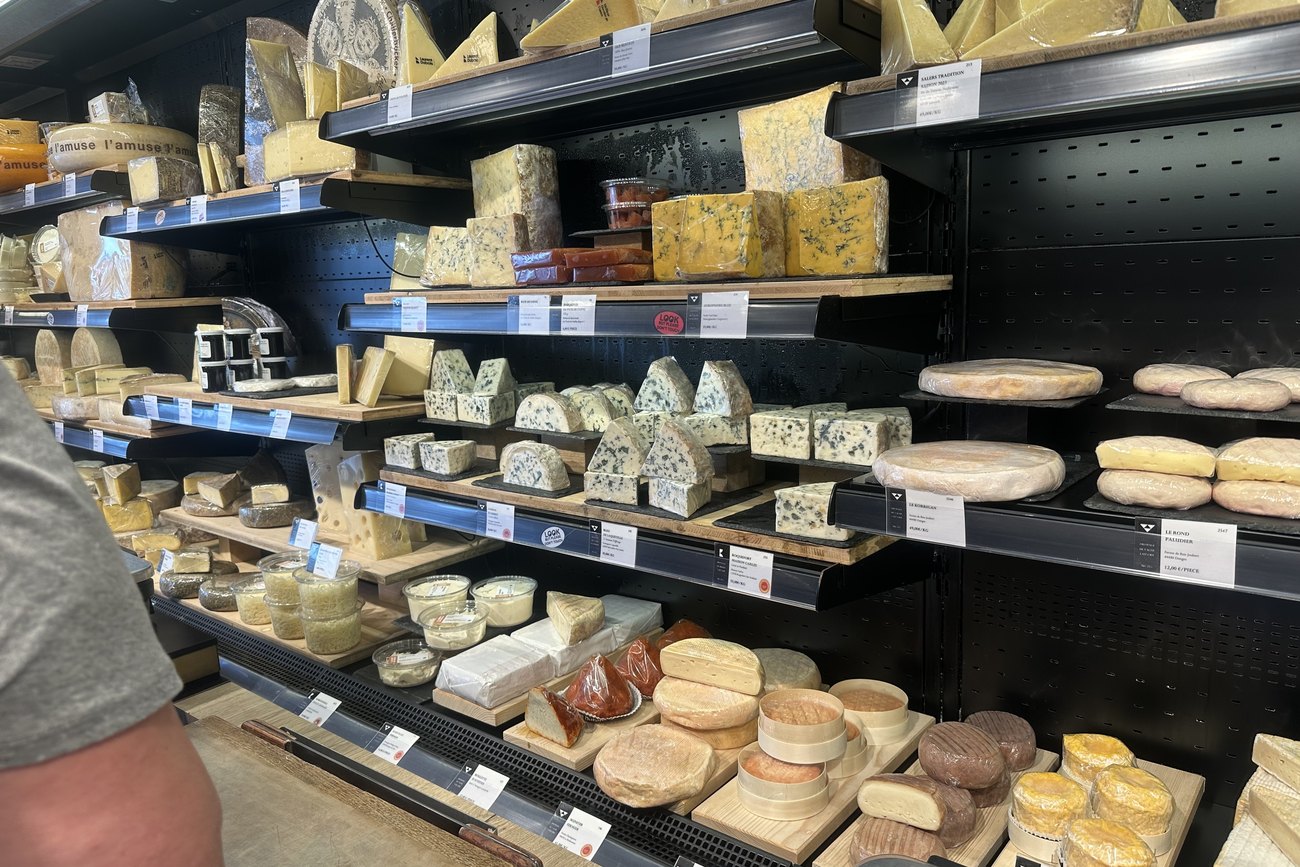
Wondering where do Parisians buy pastries? Find neighbourhood pâtisseries, what to order, and the small rituals that make a Paris sweet stop feel local.
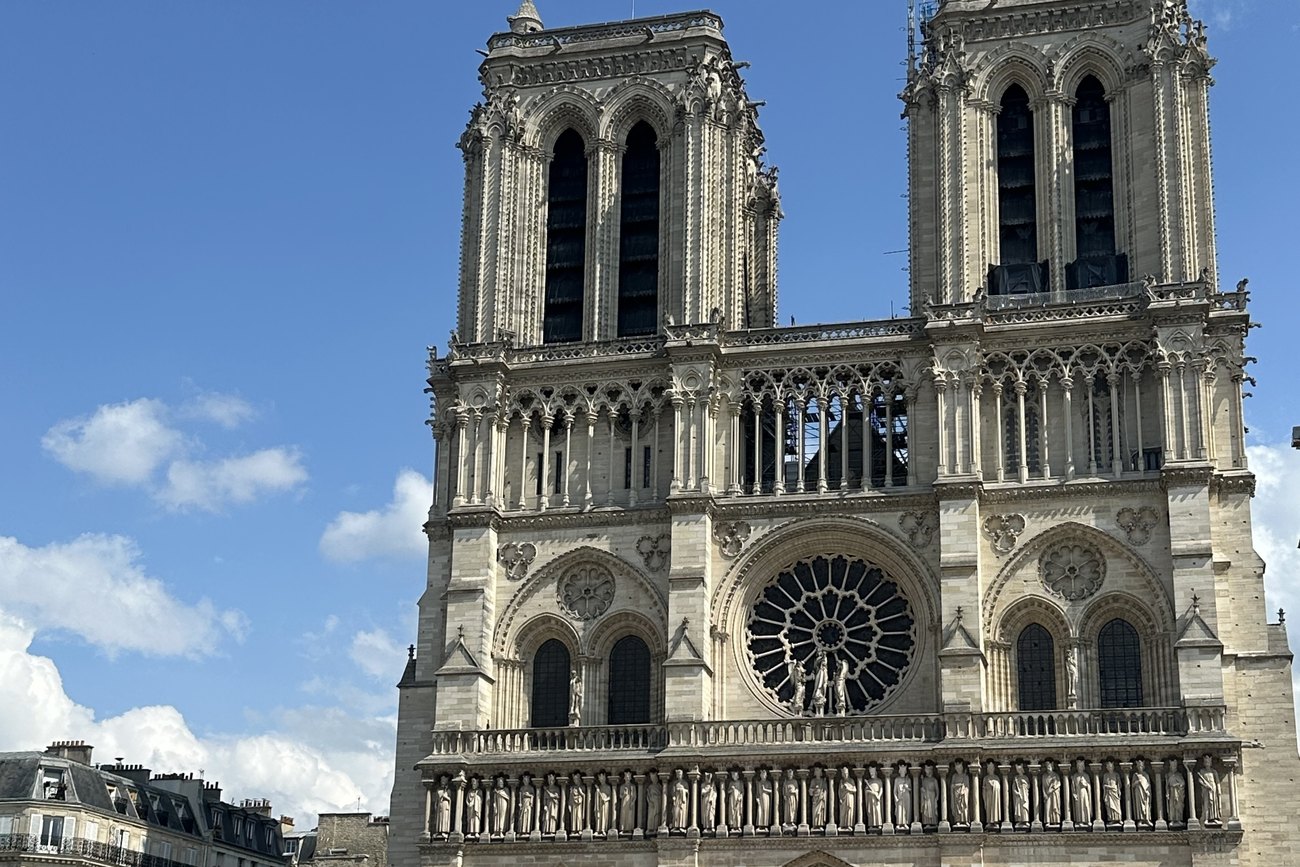
Use this Paris neighbourhood walking guide to wander six characterful quarters, with smart pacing, food stops and the stories that make Paris linger on.