Champagne Tasting in Paris, One Glass at a Time
Plan a Champagne tasting in Paris with confidence: learn what to notice in the glass, which styles to try, and how to savour each pour with a local guide.
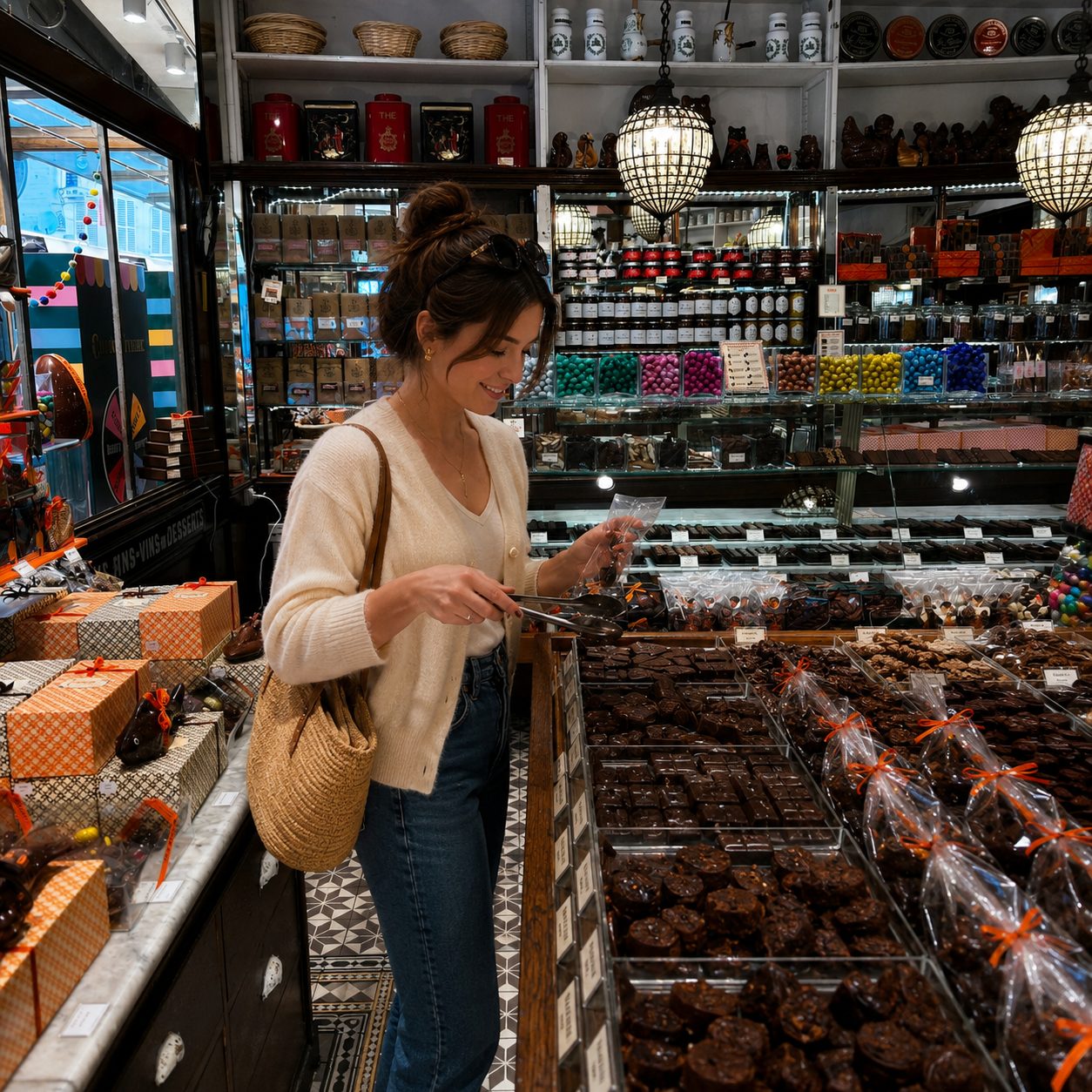
The first rule in any French market etiquette guide is heard before it is seen: say bonjour. At Paris’s Marché d’Aligre, that small greeting changes the texture of an exchange. You are not simply reaching for apricots or pointing at a wedge of Comté. You are entering a vendor’s morning - one shaped by early deliveries, regular customers and a deep familiarity with the goods arranged in front of you.
For visitors used to browsing anonymously, French markets can feel pleasantly theatrical. Crates of cherries glow against striped awnings, a fishmonger calls out the day’s arrival, and the scent of roast chicken slips down the footpath from the rotisserie. The rhythm is quick, but it is not impersonal. A little attention to local custom lets you enjoy it without feeling hurried, and leaves more room for the lovely business of choosing what to take home for lunch.
Marché d’Aligre, in the 12th arrondissement, makes an ideal place to learn the manners of a Paris market because it holds several worlds together. The covered Marché Beauvau is where you will find specialist cheesemongers, butchers, fish stalls and grocers. Outside, produce vendors line the street, while nearby traders offer flowers, household pieces and the occasional wonderfully odd find.
It is lively rather than precious. This is not a stage set for visitors, which is precisely its appeal. Come with a little curiosity and a willingness to observe. If a stall has a queue, notice whether people are taking a number, waiting in a loose line or being served in the order they arrived. At the busiest counters, a calm ‘Bonjour, je suis après vous’ - hello, I’m after you - can be useful if you are unsure of your place.
Markets are most enjoyable when you do not try to see every stall at once. Walk the length of the outdoor section first, noting what looks particularly good. Then return to the vendor whose peaches, radishes or haricots verts genuinely called to you. The second pass is where you buy with purpose rather than from the anxiety of too much choice.
A French greeting is not ornamental. It is the opening gesture that acknowledges the person serving you. Say ‘Bonjour, madame’ or ‘Bonjour, monsieur’ when you approach, then ‘Merci, au revoir’ when you leave. If you are returning later in the day, ‘Bonsoir’ is appropriate as the afternoon turns to evening.
You do not need fluent French to be gracious. A simple phrase paired with a smile goes further than an apologetic performance of language skills. Useful requests are ‘Je voudrais…’ for ‘I would like…’, ‘S’il vous plaît’ for please, and ‘C’est combien?’ for how much is it? If a vendor asks a question you do not catch, it is perfectly fine to say, ‘Pardon, je ne parle pas bien français.’ Most will understand what you mean from a gesture and the context of the stall.
The difference is intention. Greeting first says you recognise that a market transaction is a human exchange, not a self-serve checkout with better lighting.
This is the market habit that saves the most awkward moments: do not touch fruit and vegetables unless the vendor invites you to. In many Paris produce stalls, the person behind the display selects and bags the goods. They know which raspberries will travel, which avocado is ready for tonight, and which tomatoes deserve another day on the kitchen bench.
Pointing is entirely acceptable. You might say, ‘Deux de ceux-là, s’il vous plaît’ - two of those, please - or indicate the bunch you fancy. If you are making a picnic, tell the vendor when you plan to eat it. ‘Pour ce soir’ means for tonight; ‘pour demain’ means for tomorrow. That tiny detail helps them choose well and often prompts an unexpectedly thoughtful recommendation.
There are exceptions. Some stalls provide paper bags or invite customers to choose their own produce. Follow the cue in front of you. If other shoppers are filling bags, do the same. If they are waiting to be served, keep your hands free and let the vendor do the selecting.
Specialist counters are one of the quiet pleasures of Marché Beauvau. They are also where a vague order can become more food than a couple can possibly eat in a hotel room. Rather than asking for ‘some cheese’, begin with the moment you are buying for: an apéritif, a train picnic, dinner for two, or a small gift for friends.
At the cheese counter, say how many people you are feeding and whether you prefer something soft, firm, mild or more pronounced. A good fromager will steer you towards a cheese at its best that week, which may be more memorable than insisting on the name you already know. Ask for a small portion if you need one. ‘Un petit morceau’ is useful, and a gesture will clarify the size.
For charcuterie, ask for slices rather than trying to calculate grams from afar. ‘Six tranches fines’ means six thin slices. With fish, let the vendor know whether you need it cleaned or filleted. These requests are ordinary, not demanding, provided you make them before the wrapping paper appears.
If you are staying somewhere without a proper kitchen, be honest about it. A ripe cheese, a baguette, fruit and a roast chicken can create an excellent dinner; raw scallops are less romantic if your only utensil is a teaspoon from the minibar.
Market prices are usually marked by weight, often per kilo. It is easy to be startled by a number on a sign until you remember that you are buying 300 grams of cherries, not a full kilogram. Vendors will weigh your selection and tell you the total. If you have a budget in mind, say so beforehand: ‘Pour cinq euros, s’il vous plaît’ is a clear way to ask for five euros’ worth.
Bargaining is not the standard approach at food stalls. The price reflects season, quality and the work of sourcing and preparing the produce. Haggling over a few cents for a beautiful punnet of strawberries is unlikely to create the Paris morning you had imagined.
Towards closing time, particularly at some outdoor stalls, vendors may offer deals on ripe produce or larger quantities. Let this be their invitation rather than your opening tactic. For antiques, second-hand objects or non-food goods, a courteous discussion of price can be more natural, but keep it light. A respectful offer and an easy smile are better companions than a hard sell.
Bring a tote bag or small basket, a little cash and a card. Contactless payment is common, but minimum spends and preferences still vary from stall to stall. Keep your wallet ready before you reach the front, especially when the queue is moving quickly. It is a small kindness to the people behind you.
A market visit benefits from a loose plan. Buy fragile berries and warm bread near the end. Keep cheese and meat out of the sun, particularly in warmer months, and return to your accommodation before an extended museum visit. If you have booked a wine tasting or a long lunch, purchase only what you can comfortably carry and enjoy that day.
Then make space for the details no guidebook can select for you: the vendor who insists you try a slice of melon, the sound of a paper parcel being tied with string, the particular green of artichokes after rain. Rêverie Tours often builds food experiences around such moments because they make Paris feel less like a list of reservations and more like a place you are briefly allowed to belong.
A wide shot of the market atmosphere is usually fine, but ask before photographing a vendor closely or taking pictures of their display for an extended time. A quick ‘Je peux prendre une photo?’ is both polite and appreciated.
Yes, even a few phrases make a meaningful difference. Begin with bonjour, make your request simply, and thank the vendor. Many stallholders speak some English, but greeting them in French sets a warmer tone.
Only when offered. Cheese sellers may invite you to taste, especially if you ask for a recommendation, while fruit vendors sometimes offer a sample in season. Do not help yourself from a display.
Earlier in the morning offers the fullest selection and a more deliberate pace. Later visits can feel livelier and may bring better value on very ripe produce, though choice is naturally reduced. Check current opening days and hours before you go, as market schedules can change.
Choose a baguette, one cheese, seasonal fruit, sliced charcuterie and something crisp or pickled for contrast. Add a bottle of wine if your plans allow, and ask each vendor what is particularly good that day. Carry the exchange with you: greet warmly, choose with care, and let lunch become a small memory of Paris rather than another item ticked off the day.
Join our Custom Food & Wine Tour in Le Marais or Saint-Germain: bakery, cheese, wine, charcuterie and dessert over 2.5 hours, €120 per person.
See the Food & Wine Tour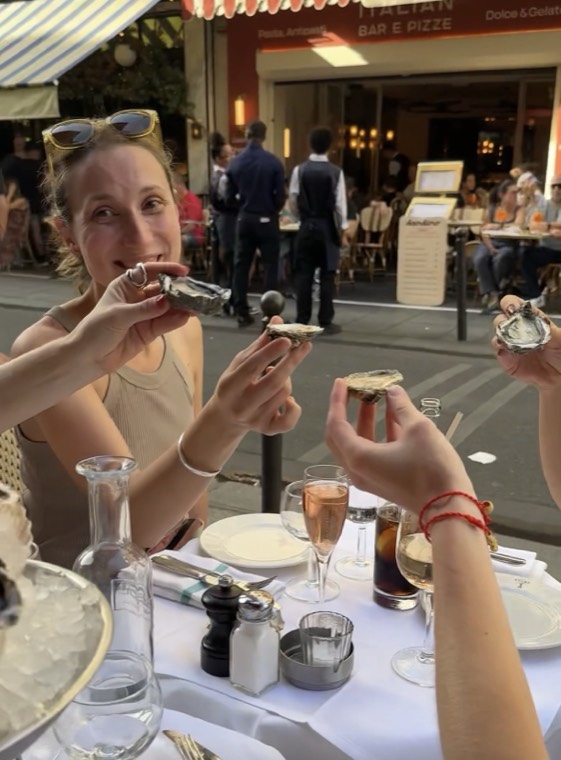
Plan a Champagne tasting in Paris with confidence: learn what to notice in the glass, which styles to try, and how to savour each pour with a local guide.
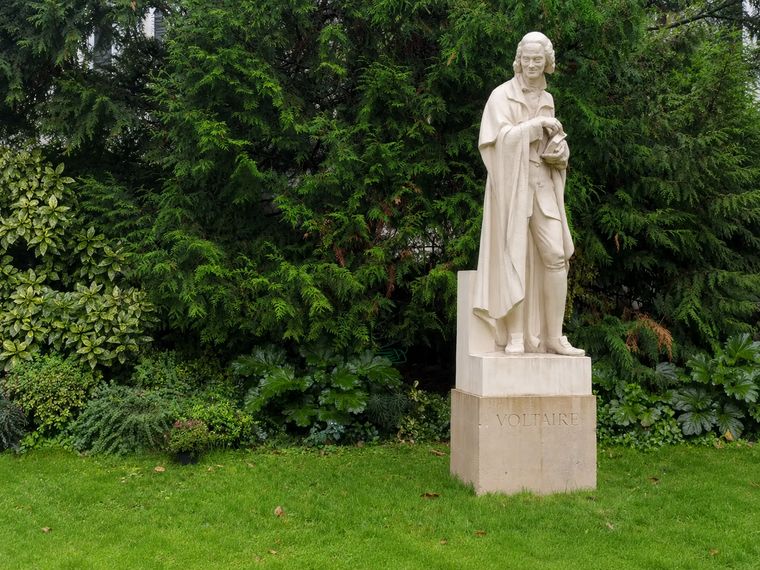
Paris experiential travel finds its rhythm on Rue des Martyrs: taste, browse and linger among pâtisseries, wine bars and vintage addresses with a local.