French Market Etiquette Guide for Paris Mornings
A French market etiquette guide for Paris, with graceful advice on greetings, produce, cheese and pacing your visit to Marché d’Aligre with calm assurance.
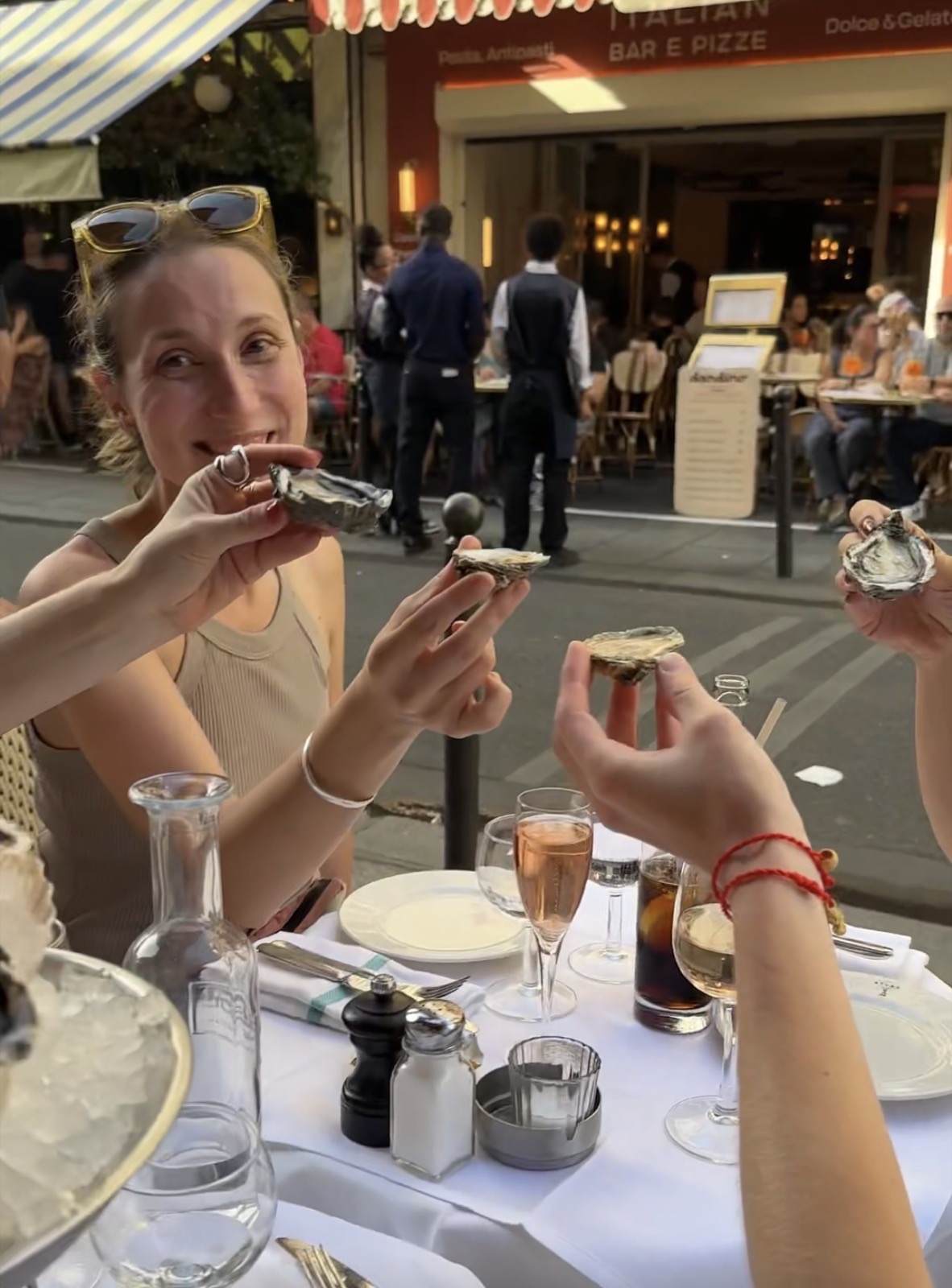
A Champagne tasting is not a test of whether you can name brioche, orchard fruit or toasted hazelnuts on command. In Paris, it is a chance to slow down over a wine built for attention: to watch the fine stream of bubbles rise, taste the effect of chalky soil and patient cellar ageing, and find the bottle that suits your own table.
For Australian visitors accustomed to calling any celebratory sparkling wine “Champagne”, the distinction becomes wonderfully clear in the glass. Champagne is a protected wine from a defined region in north-eastern France, made principally from Chardonnay, Pinot Noir and Meunier. Its character comes not only from those grapes, but from a cool climate, limestone-rich ground and a second fermentation in the bottle. That last detail is where the persistent mousse, the wine’s elegant froth of bubbles, begins.
The most memorable tastings are usually intimate rather than theatrical. A thoughtful wine bar or specialist cellar in Paris may offer just a few carefully chosen pours, each revealing a different interpretation of the region. This is preferable to rushing through a long flight simply to tick off prestige names.
Hold the glass by the stem and take a moment before tasting. Look for the bead: fine bubbles rising steadily usually suggest a wine that has been handled with care, though appearance alone never tells the whole story. Then smell before you sip. A youthful Champagne might bring lemon zest, white flowers and green apple; a more mature bottle can lean towards roasted almonds, honey, toast and dried apricot.
Take a small sip and let it move across the palate. The question is not “Can I identify every flavour?” but “What does this wine feel like?” Some Champagnes are razor-clean and saline, almost like a sea breeze caught in citrus peel. Others are broader and creamier, with the depth to sit beside roast chicken, mushroom dishes or a long lunch that has nowhere else to be.
Blanc de Blancs means white from whites, and in Champagne it is generally made from Chardonnay. This is often the bottle to order when you want freshness, lift and a clear mineral line. It may taste of lemon, grapefruit, white peach or crushed stones, with a taut acidity that makes oysters sing.
A Blanc de Blancs is an excellent first pour, particularly as an apéritif. Yet “light” should not be mistaken for simple. A well-aged example can be remarkably layered, taking on pastry, hazelnut and buttered toast while retaining its vivid shape. If you are tasting several wines, return to it after a richer style. Its clarity can reset the palate.
Blanc de Noirs is made from dark-skinned grapes, Pinot Noir and/or Meunier, pressed gently enough that the finished wine remains pale. Expect more body and a warmer fruit profile: red apple, ripe pear, plum skin, spice or a suggestion of wild strawberry.
This is a useful reminder that Champagne need not be reserved for canapés and midnight toasts. A textured Blanc de Noirs can be a beautiful companion to charcuterie, pâté or aged Comté. It also appeals to drinkers who usually gravitate towards still reds but want to understand Champagne beyond its most delicate expression.
Rosé Champagne is often treated as the photogenic choice, but the best examples have real structure. Some are made by blending a little still red wine into white base wine, a practice called rosé d’assemblage. Others gain colour through brief skin contact, known as saignée. The methods create different personalities, although the producer’s house style matters at least as much.
Look beyond the colour. A dry rosé may show raspberry, blood orange and rosehip alongside savoury spice. With enough concentration, it can move easily from a late-afternoon terrace to dinner. It is particularly lovely with tuna, duck, tomatoes and dishes with a subtle smoky edge.
Labels can seem coded, yet a few terms offer practical clues. Brut is dry by most drinkers’ standards, despite the word sounding severe. Extra Brut is drier still, while Demi-Sec carries more sweetness and can be excellent with fruit-based desserts or spicy food. The right choice depends on the meal and your preference, not on a hierarchy of seriousness.
Non-vintage Champagne is a house blend made from more than one harvest, designed to express a producer’s consistent signature. Vintage Champagne comes chiefly from one declared year and often receives longer ageing. It can be compelling, but it is not automatically the better bottle for every occasion. A beautifully balanced non-vintage cuvée is often the clearest introduction to a house.
You may also see grower Champagne, made by an estate from grapes it farms, or Champagne from a larger house that sources fruit across many villages. Neither category wins by default. Growers can offer a vivid sense of one place and one season; established houses can create extraordinary harmony across a broad network of vineyards. Taste with curiosity, rather than allegiance.
Start by telling your host what you normally enjoy. Do you prefer crisp Clare Valley riesling, savoury pinot noir, a dry martini, or perhaps rich chardonnay? These reference points are far more useful than saying you are a beginner. A good guide can translate familiar preferences into a Champagne style that makes sense for you.
Avoid strong perfume and try not to arrive ravenous. Champagne is more forgiving with food than many people expect, but an empty stomach blurs the finer details quickly. Water between pours is sensible, and there is no prize for finishing every glass. The pleasure lies in comparison: notice how the same sip changes after a sliver of cheese, a salty oyster, or a quiet minute in the glass.
For a first tasting in Paris, three contrasting Champagnes are enough. Begin with a Blanc de Blancs, move to a Pinot-led wine or Blanc de Noirs, then finish with rosé or an older cuvée. It creates a small narrative of brightness, breadth and perfume without overwhelming the palate. Rêverie Tours approaches the experience this way: as a convivial introduction shaped around your taste, not a lecture delivered over a row of anonymous flutes.
Smart casual is ideal for most Paris wine bars and tasting rooms. Choose something comfortable for walking and avoid heavily scented fragrance, which can distract from the wine’s aroma.
Three to five small pours is usually plenty. A focused tasting is more enjoyable than a large selection, particularly if you have lunch or dinner planned afterwards.
Not at all. Champagne is brilliant with food and can be ordered as an apéritif, with a light lunch or alongside dinner. In Paris, the occasion can simply be an unhurried afternoon well spent.
It depends on what you enjoy. Vintage bottles can offer complexity and a distinct sense of the harvest, while non-vintage cuvées often provide exceptional balance and value. Taste first, then choose the bottle you would genuinely like to open.
Absolutely. No specialist vocabulary is required. The most useful starting point is whether a wine feels fresh, creamy, fruity, savoury, dry or generous to you.
The bottle you remember may not be the rarest or most expensive one. It may be the bright, mineral pour that made an oyster taste sharper, or the rosé shared while Paris softened into evening. Let that be enough reason to order another glass with intention.
Join our Oyster, Wine & Champagne Tasting: two hours and three oyster bars in central Paris, €120 per person.
See the Oyster & Champagne Tasting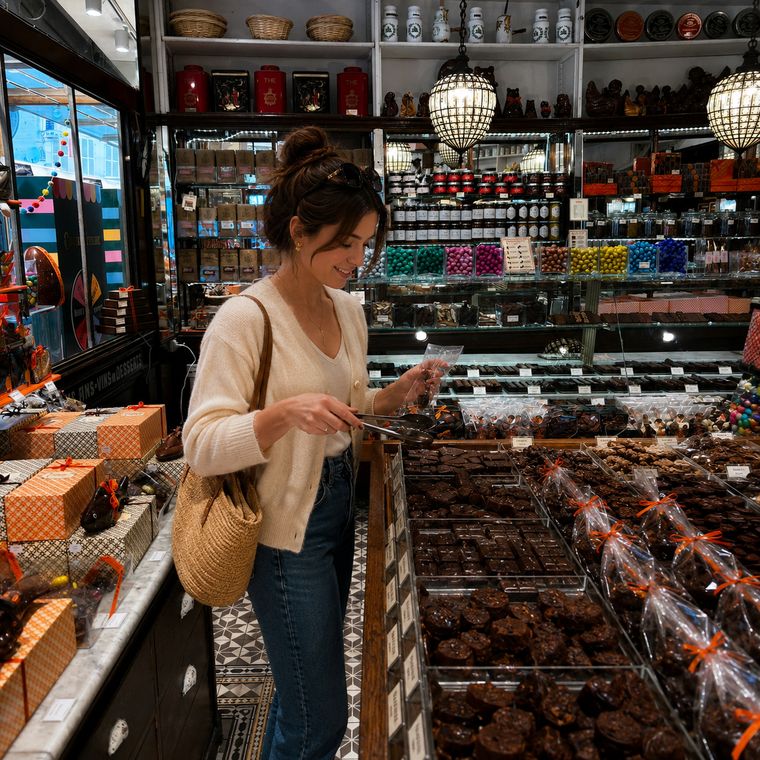
A French market etiquette guide for Paris, with graceful advice on greetings, produce, cheese and pacing your visit to Marché d’Aligre with calm assurance.
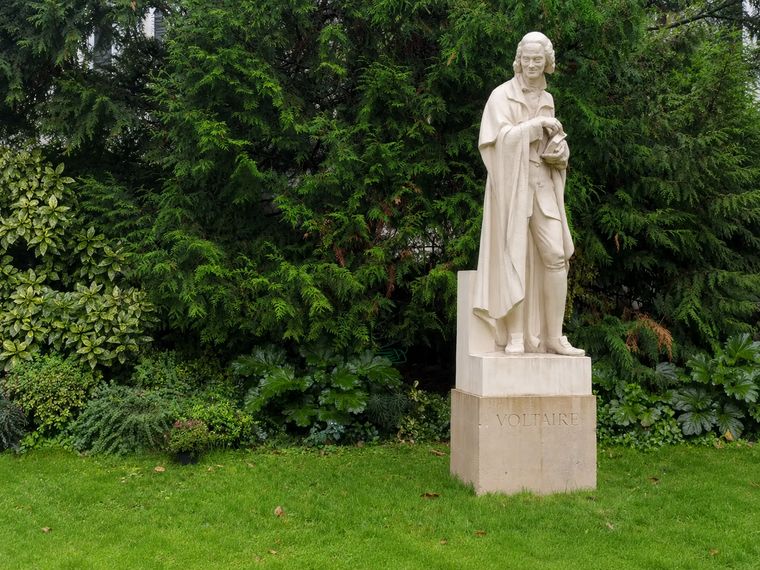
Paris experiential travel finds its rhythm on Rue des Martyrs: taste, browse and linger among pâtisseries, wine bars and vintage addresses with a local.