How to Book Intimate Tours That Feel Personal
Learn how to book intimate tours in Paris and Rome, from choosing a thoughtful theme to confirming group size, timing, inclusions and personal touches.
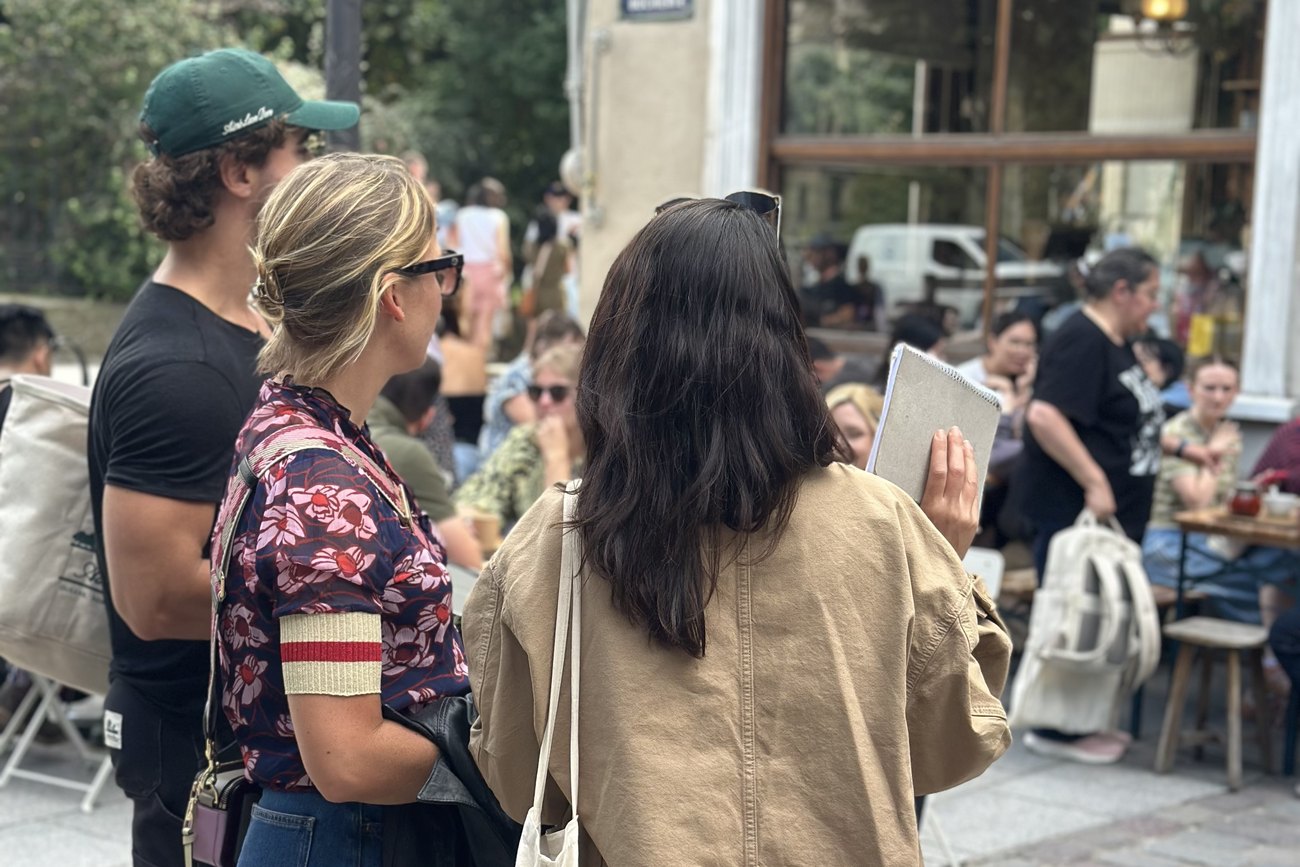
Paris can make a poor guidebook look persuasive. A page may promise hidden gems, skip-the-line access and every monument before lunch, yet leave you standing in a crowd with little sense of the city around you. Knowing how to choose a Paris guide is really about choosing the kind of day you want to remember: the taste of a particular oyster, a conversation about Simone de Beauvoir, the thrill of finding a beautifully cut vintage jacket, or a quiet square you would never have noticed alone.
For the fuller guide, see Are Paris Private Tours Worthwhile for You?.
The right guide does more than recite dates beside famous façades. They help Paris become legible on your own terms. For some travellers, that means art and architecture; for others, it means a market, a wine bar and the stories held in a neighbourhood's doorways. Begin with your own curiosity, then look for the person and format that can meet it.
Before comparing ratings or itineraries, decide what you want more of and what you can happily leave for another visit. If it is your first time, you may want an orientation that connects the major sights to the city’s broader history. If you have already seen the Eiffel Tower and the Louvre, a more focused experience can be far more rewarding: literary Saint-Germain-des-Prés, food in Le Marais, fashion in the 9th arrondissement, or the layered lives of Montmartre.
A good Paris guide should have a point of view. That does not mean they impose an itinerary on you. It means they can explain why a street, café, church or pastry matters, and can tailor the conversation when they learn that you are more interested in film than royalty, or design than military history.
Be wary of tours that try to cover half the city in two hours. Paris is best understood at walking pace, with room to look up, pause and follow a thread of interest. A shorter, well-shaped walk through one or two areas often leaves a deeper impression than a frantic circuit of landmarks.
General sightseeing has its place, particularly when time is short. But a specialist guide can turn a pleasant outing into a personal discovery. Their expertise should be clear in the itinerary, rather than hidden behind vague claims of local knowledge.
For a food-led tour, look for detail about what you will taste and why. A thoughtful experience might distinguish regional cheeses, explain the ritual of apéritif, or introduce the particular character of a neighbourhood market. It should not simply be a long queue for social-media-famous pastries. If wine or Champagne is involved, ask whether the tasting has context: grape varieties, regions, pairing traditions, and the pleasures of drinking well without making it feel like a lecture.
Fashion-minded visitors should seek a guide who understands more than shop addresses. Parisian style has histories of craft, class, rebellion and reinvention. A strong vintage-shopping guide knows how to read labels and construction, where to find pieces that suit different budgets, and when a small independent boutique is more interesting than a grand department store.
Cultural walks deserve the same specificity. A guide discussing philosophy, revolution, literature or art should be able to connect ideas to the actual city beneath your feet. It is one thing to mention the Left Bank’s famous thinkers; it is another to make their debates feel alive in the streets and cafés where they gathered.
The number of people on a tour shapes almost everything. Large groups can be economical and may work well for a simple overview, especially if you are travelling alone and enjoy a sociable atmosphere. The trade-off is obvious: questions are limited, stops are fixed, and it can be difficult to hear or linger.
Small groups create a different kind of afternoon. Your guide can learn what has brought you to Paris, notice when a subject has captured your attention, and adapt the pace for a tasting, a photo, or a glance in a shop window. For couples, friends and solo travellers who want conversation rather than a headset, this intimacy is often worth the higher per-person price.
Private tours offer the greatest flexibility, though they are not automatically better. They are particularly useful for a family with mixed interests, a special occasion, mobility considerations, or a tightly planned stay. Yet a thoughtfully designed small-group experience can still feel wonderfully personal and may introduce you to like-minded travellers over a glass of wine.
Check the stated duration, too. Two to two-and-a-half hours is often an ideal length for a focused walk or tasting: enough time to settle into a place, not so much that attention or appetite fades. A half-day tour can be excellent when it includes meaningful breaks and a coherent route, rather than extra stops added for the sake of length.
A polished description is lovely, but practical clarity is more useful. You should be able to understand where the tour begins, which neighbourhoods it explores, how much walking is involved, whether tastings or entry fees are included, and what the guide’s approach will be. Transparent pricing is a good sign. It allows you to decide whether the value lies in access, expertise, tastings, personalisation, or all three.
Pay attention to the language used. “Secret Paris” can be a charming idea, but no neighbourhood is a secret to the people who live there. The most respectful guides introduce independent places with care, avoid treating residential streets as a backdrop, and make room for the city as it is now. They should be interested in local life, not just old myths about it.
Photos and reviews can help, but read beyond the star rating. Look for comments about the guide’s storytelling, warmth, flexibility and ability to answer questions. Notice whether guests mention feeling rushed, whether the experience suited the advertised interest, and whether the guide made recommendations that felt considered rather than generic.
A brief message before booking can reveal a great deal. Ask whether the route can accommodate dietary needs, allergies, mobility requirements or a particular shopping budget. If you are travelling with teenagers, ask whether the material and pace suit them. If you are keen on photography, confirm whether there will be time to stop rather than simply walk past the best views.
It is also reasonable to ask what happens if weather changes the plan. Paris in rain can be deeply romantic, but only if the experience has practical alternatives: covered passages, cafés, museums, market halls or a route that does not leave everyone sodden by the Seine.
Be clear about what you do not want. If you have no interest in a souvenir stop, say so. If you would rather spend longer discussing one church than ticking off five, mention it. A considerate guide welcomes this information because it helps them shape a better experience.
Some guides deliver a brisk, fact-rich survey. Others favour stories, questions and sensory detail. Neither is wrong, but the mismatch can be disappointing. If you love dates, politics and architectural terminology, choose someone whose descriptions signal scholarly depth. If you travel through taste, style and atmosphere, seek a guide who can make cultural context feel conversational and alive.
The best guides balance preparation with spontaneity. They know their subject deeply, yet remain alert to the small moments that make a city personal: a florist arranging tulips on the footpath, the sound of plates from a busy bistro, a detail in an old doorway that reframes a whole street. At Rêverie Tours, this is the difference between seeing Paris and living a small part of its daydream.
Do not schedule every hour before you arrive. A well-chosen guide can give you more than a single enjoyable morning or afternoon. They may help you understand which neighbourhood you want to return to at dusk, where to book dinner, what to order with confidence, or which museum room deserves an unhurried revisit.
Choose the guide who makes you feel curious rather than managed. Paris will still have its grand monuments, its queues and its celebrated views. But your most lasting memory may be the one that leaves room for you to linger, notice and make the city your own.
Explore our Paris experiences: philosophy walks, vintage shopping, oysters and Champagne, and custom food and wine tours.
Explore Paris Tours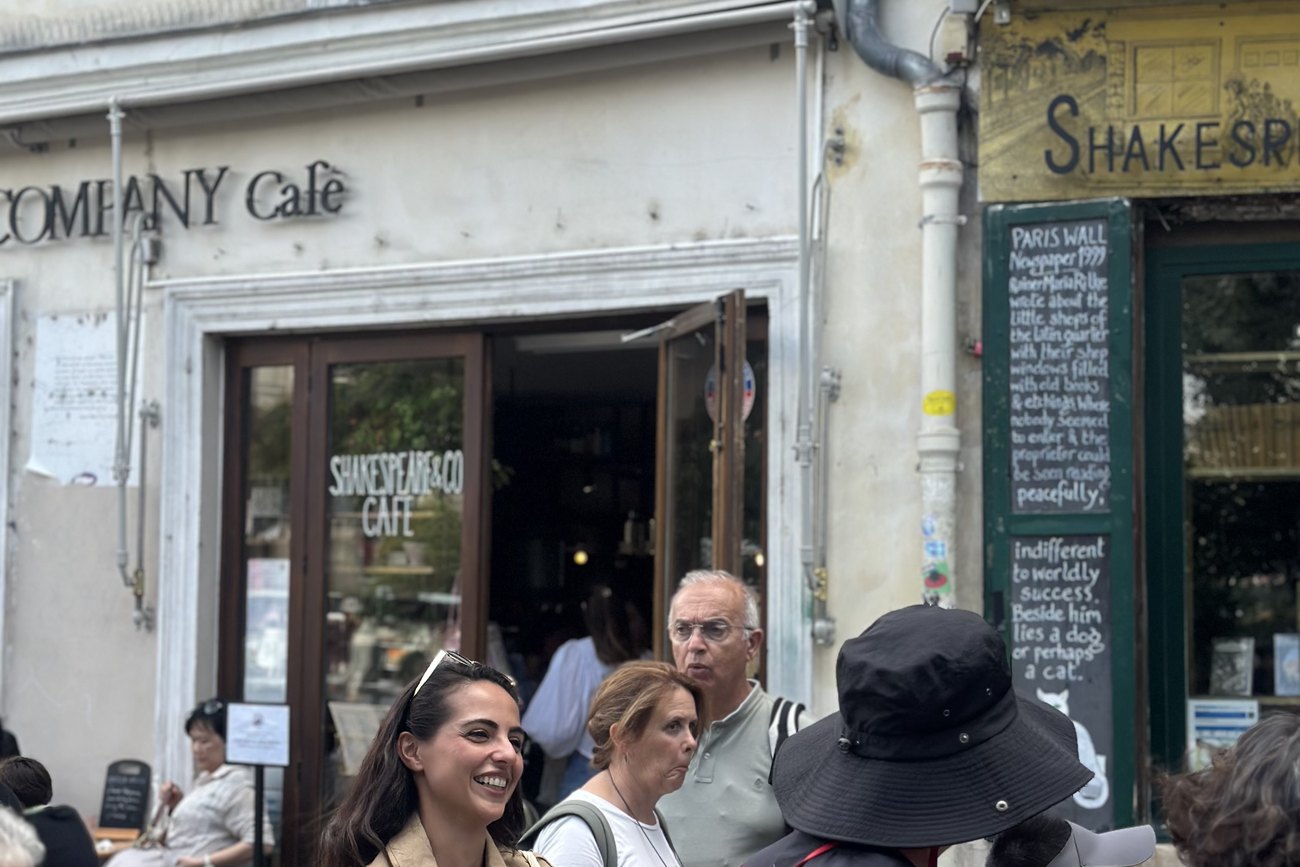
Learn how to book intimate tours in Paris and Rome, from choosing a thoughtful theme to confirming group size, timing, inclusions and personal touches.
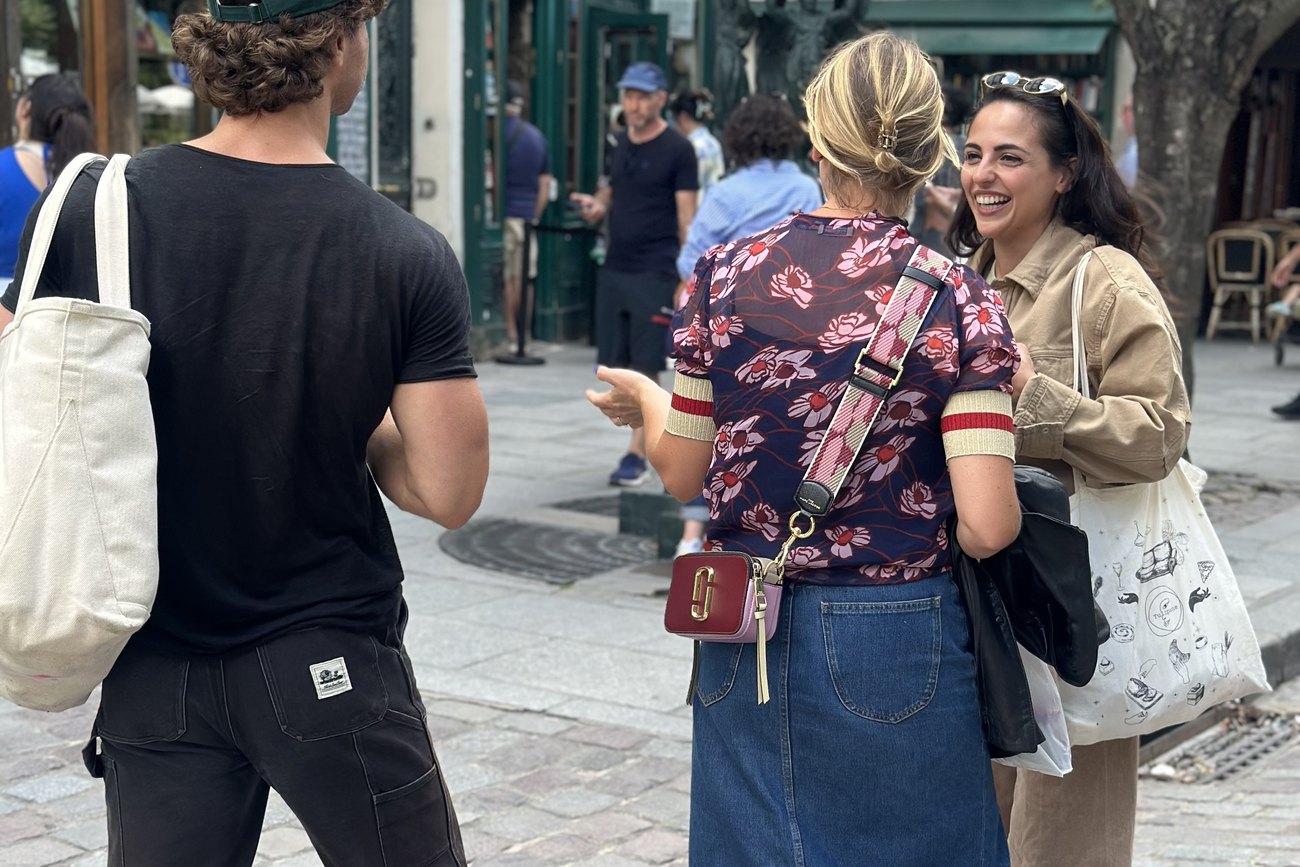
Are Paris private tours worthwhile? See when a personal guide adds real value, from quieter neighbourhoods and food to art, fashion and flexible time.