Paris Boutique Guide for a More Personal Day
Paris boutique guide for travellers seeking vintage treasures, independent designers and neighbourhood shops with a little more story and style in Paris.
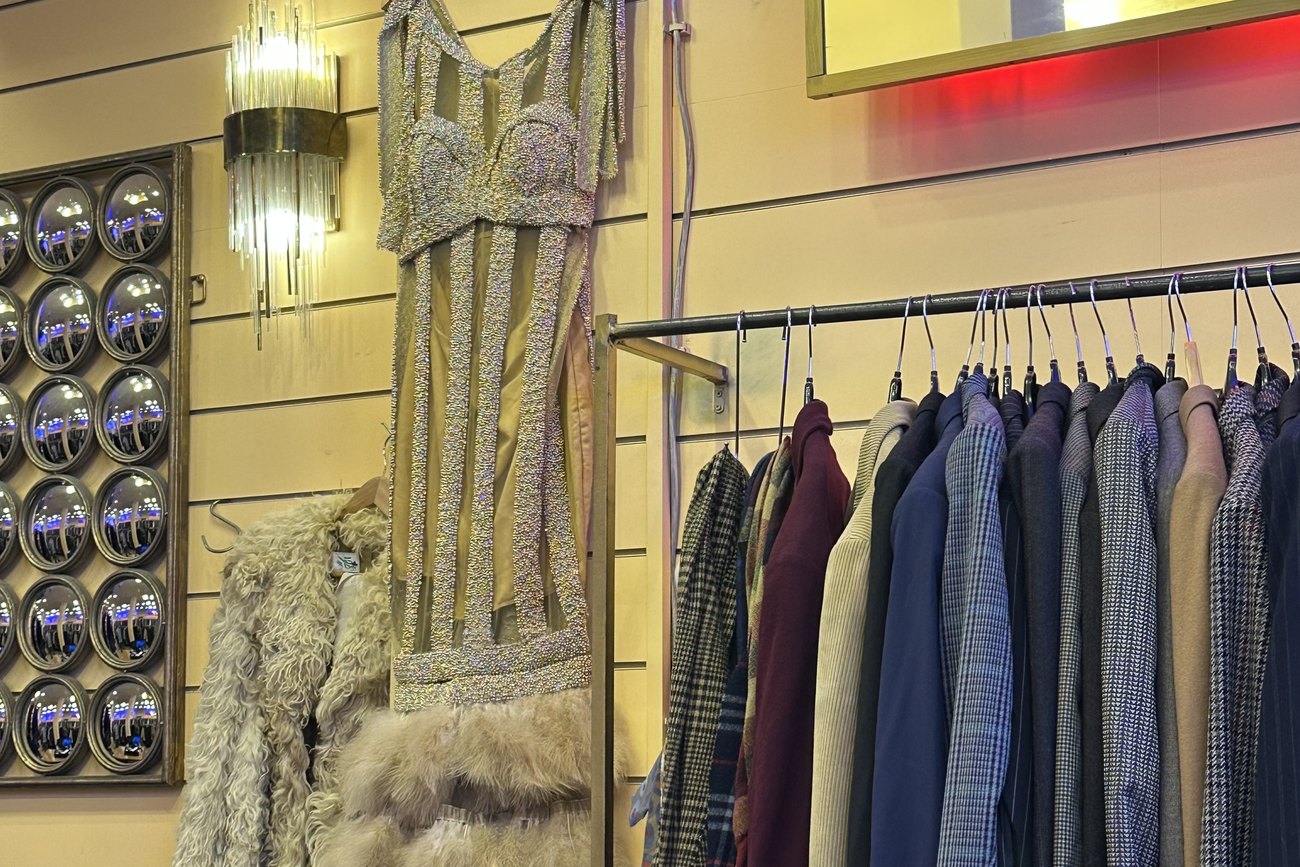
Paris is one of the best cities in the world for vintage shopping. From carefully curated vintage boutiques in Le Marais to the sprawling flea markets of Saint Ouen, Paris offers everything from French designer clothing and 1970s dresses to leather jackets, silk scarves, jewellery and one of a kind pieces.
But finding something genuinely special is not simply a matter of searching for the most famous vintage shop in Paris.
The best vintage shopping in Paris comes from knowing where to look, what to look for and how to tell a beautiful vintage piece from something that is simply old.
A silk scarf with a hand rolled edge. A perfectly softened leather jacket. A 1970s dress that seems made for one particular afternoon in Paris.
These are the pieces people remember long after they return home.
Whether you are looking for vintage French fashion, designer pieces, affordable second hand clothing or an unusual souvenir of Paris, this guide will help you navigate the city's vintage scene.
There is no single best area for vintage shopping in Paris. Different neighbourhoods offer very different experiences.
Le Marais is a good choice for curated vintage fashion, designer pieces, jewellery and distinctive clothing.
Saint Ouen is best for the thrill of the hunt, with enormous flea markets and dealers selling everything from clothing and accessories to furniture and antiques.
Canal Saint Martin and the 11th arrondissement are worth exploring if you prefer a younger, more relaxed approach to vintage, particularly denim, workwear, knitwear and pieces that feel easy to wear today.
The right neighbourhood depends on what you are hoping to find.
Vintage shopping in Le Marais
Le Marais is one of the best places to begin vintage shopping in Paris, particularly if you want fashion rather than antiques.
Its narrow streets are filled with independent boutiques and vintage specialists, ranging from highly curated collections to more eclectic shops where you have to spend a little longer searching.
You will often find vintage designer clothing, leather jackets, jewellery, handbags, occasion dresses and distinctive pieces from the 1960s through to the 1990s.
Prices can be higher than at Paris flea markets, but there is an advantage to shopping in a curated boutique. The clothing has usually been selected with a particular aesthetic in mind, and the staff may be able to tell you more about the garment's age, designer, fabric or provenance.
Do not assume that the most valuable piece is necessarily the one with the most recognisable label.
A beautifully cut Italian blazer, a Japanese knit, an anonymous 1960s coat with exceptional buttons or a perfectly worn French leather jacket can be far more interesting than a famous name in poor condition.
If you have limited time in Paris, Le Marais is a particularly good place to start because you can combine vintage shopping with cafés, galleries, restaurants and some of the city's most historic streets.
Vintage shopping at the Saint Ouen flea market
For a completely different experience, head north to Saint Ouen, home to the famous Paris flea markets.
Saint Ouen is not simply a vintage clothing market. It is an enormous world of objects with previous lives, where clothing and accessories sit alongside furniture, antiques, records, artwork, postcards and curiosities.
This is where vintage shopping becomes a treasure hunt.
You may find a 1950s handbag tucked beneath a rail of coats, an old silk scarf in a box or a piece of costume jewellery that would never have caught your attention in a polished boutique.
The experience requires patience.
Wear comfortable shoes, give yourself several hours and resist the temptation to rush from one stall to another trying to see everything.
Can you bargain at the Paris flea markets?
Bargaining can be possible at some Saint Ouen stalls, although it depends on the dealer, the item and the circumstances.
A friendly conversation and a reasonable offer will usually get you further than treating the exchange like a competition.
If a dealer has spent years sourcing and caring for a particular piece, remember that you are buying their expertise as well as the object itself.
Vintage shopping around Canal Saint Martin and the 11th arrondissement
If highly curated vintage boutiques are not quite your style, explore the areas around Canal Saint Martin and the 11th arrondissement.
The atmosphere tends to be younger and more relaxed, with shops specialising in pieces that work naturally within a contemporary wardrobe.
Look for vintage denim, workwear, printed shirts, knitwear, military inspired pieces, leather and relaxed tailoring.
This is a good area for travellers who do not necessarily want to dress head to toe in a particular decade.
Instead, look for one piece that gives your existing wardrobe a little more character.
A faded chore jacket, striped cotton shirt or beautifully worn pair of boots may ultimately become a more useful souvenir than the spectacular evening dress you almost bought simply because you were in Paris.
How do you find good vintage clothing in Paris?
The secret to successful vintage shopping is learning to look beyond the label.
Vintage clothing can be decades old, and its condition will vary considerably. Before buying something, slow down and inspect it properly.
Check the fabric
thinning fabric moth holes stains fading discolouration damage around the collar and shoulders fragile silk or lace
Hold delicate fabrics up to natural light if possible. Small weaknesses can become much more obvious when the fabric is illuminated.
Examine the construction
Look at the seams, lining, buttons, zips and fastenings.
Loose stitching or a missing button can be an easy repair. A damaged zip may also be manageable.
Brittle elastic, severely damaged lining or fragile fabric can be considerably more difficult and expensive to repair.
Pay particular attention to the shoulders
A vintage garment can often be altered through the waist or hem, but changing the shoulders, armholes or overall structure is much more complicated.
If the shoulders fit well, you have a much better starting point.
Look for labels and details
Labels can provide clues about a garment's age and origin.
designer or maker labels country of manufacture fabric composition care labels buttons fastenings typography stitching construction techniques
A label can help date a garment, but it is not proof of everything a seller might claim about it.
If a shopkeeper gives you an estimate of a garment's age, ask what they are basing it on.
What is the difference between vintage and second hand clothing?
The terms vintage, second hand and reproduction are often used interchangeably, but they describe different things.
Vintage generally refers to authentic clothing or accessories from an earlier period, often around 20 years old or more.
Second hand simply means that an item has been previously owned. A second hand garment could be six months old or sixty years old.
Reproduction is newly made clothing designed to imitate the style of an earlier period.
None is necessarily better.
A recent second hand trench coat might be a more practical purchase than a fragile 1950s coat. A reproduction dress may give you the silhouette you love without requiring the care of a delicate vintage garment.
The important thing is knowing what you are paying for.
If you are paying a premium for a 1960s designer piece, you should be able to understand why it is considered valuable and what condition it is in.
How to tell if vintage clothing is worth the price
Price is not determined by age alone.
designer or maker rarity condition fabric construction provenance historical significance desirability current demand
A famous label in poor condition may be a worse purchase than an anonymous garment made from exceptional fabric.
Think about quality, wearability and condition together.
Before buying, ask yourself:
Would I still want this if I did not know the label?
Can I actually wear it?
Does the condition justify the price?
Will I still love it when I get home?
If the answer is yes, you may have found something worthwhile.
What should you buy when vintage shopping in Paris?
Some vintage pieces make particularly good souvenirs because they are relatively easy to pack and can become part of your everyday wardrobe.
A vintage silk scarf is one of the easiest ways to bring a little Parisian style home.
Look for hand rolled edges, beautiful prints and silk that still feels supple rather than brittle.
Vintage costume jewellery can be a wonderful way to experiment with a particular period without spending the money or suitcase space required for clothing.
Look for unusual earrings, brooches, necklaces and bracelets.
Vintage handbags can range from practical everyday pieces to extraordinary evening bags.
Inspect the corners, handles, lining and closures carefully. Leather can age beautifully, but it can also become dry or cracked.
A good vintage leather jacket can be one of the most rewarding purchases in Paris.
Look for supple leather, strong seams and a comfortable fit through the shoulders.
If you find a beautifully made vintage dress or tailored jacket that fits correctly, it can be worth considering even if the label is unfamiliar.
The construction may tell you more than the name.
Not everything that looks wonderfully old is practical to take home.
extremely fragile fabrics heavily damaged leather clothing with persistent odours pieces with extensive moth damage materials you cannot identify items made from restricted animal materials
If you are travelling internationally, check the import requirements of your destination before purchasing anything made from materials such as fur, exotic skins or ivory.
For travellers returning to Australia, it is particularly important to check Australian biosecurity and customs requirements before bringing unfamiliar animal or plant materials home.
A beautiful vintage find is only a good souvenir if you can actually get it home.
The easiest way to overspend while vintage shopping is to become excited by the story of a piece rather than the piece itself.
Give yourself permission to walk away.
Try the garment on.
Look at it outside the fitting room.
If the shop allows photography, take a photograph and step outside for a few minutes.
Ask yourself whether you would buy it if you had found it in your own city.
And remember that vintage shopping in Paris is about discovery, not collecting as many bags as possible.
One extraordinary scarf can be a better souvenir than five pieces you bought simply because they were inexpensive.
The best time depends on the kind of shopping you want to do.
For boutiques, visiting earlier in the day can give you more time to browse before the shops become busy.
For flea markets such as Saint Ouen, allow several hours rather than trying to squeeze the experience between other sightseeing stops.
If you are looking for something specific, such as a particular decade, designer or type of garment, it is also worth allowing yourself more than one shopping session.
Vintage is unpredictable.
You cannot always walk into a shop and find exactly what you imagined.
Sometimes the best purchase is the thing you were not looking for at all.
Yes, especially if you enjoy fashion, history, design or finding things that are not available everywhere else.
Paris vintage shopping offers something that conventional souvenir shopping cannot.
A vintage garment is connected to a particular period, style and way of life. It may have been worn decades before you discovered it, altered by another owner or travelled through several different wardrobes before arriving in a Paris boutique.
That history is part of the appeal.
And you do not need to be a fashion expert to enjoy it.
You simply need to be curious.
A more personal way to discover vintage Paris
The most rewarding vintage shopping experience is not necessarily the one where you visit the greatest number of shops.
It is the one where you start to understand what you are looking at.
A local guide can make that process much easier, particularly if you have something specific in mind.
Whether you are searching for a 1990s evening bag, French workwear, designer vintage, a special birthday outfit or simply something beautiful to remember Paris by, having someone help you navigate the city's vintage shops can turn an afternoon of shopping into an experience in itself.
On the Réverie Tours Vintage Shopping Experience in Paris (https://www.reverietours.com/paris-tours/store/p/vintage-shopping-tour-2-hours-65-per-person), your route can be shaped around your personal taste, with local knowledge and context to help you discover pieces that feel right for you.
You might arrive looking for a particular decade and leave with something completely different.
That is rather the point.
The best vintage treasure is rarely the one you set out to find.
The best area depends on what you are looking for. Le Marais is particularly good for curated vintage fashion, designer pieces and accessories. Saint Ouen is better for flea market shopping and the thrill of searching through a much larger selection. Canal Saint Martin and the 11th arrondissement are worth exploring for younger, more relaxed vintage fashion.
Paris has a wide range of vintage shops, from highly curated designer boutiques to independent second hand stores and flea market dealers. Rather than choosing solely by reputation, consider the style you are looking for, your budget and whether you want a curated shopping experience or prefer searching for your own treasures.
Le Marais is a strong starting point for vintage designer clothing, with boutiques specialising in fashion from different decades. Saint Ouen can also be worthwhile for designer vintage, although finding something specific may require more searching.
It can be, but there is a wide range of prices. Curated designer vintage boutiques generally cost more than flea markets and second hand shops. Accessories and less recognisable labels can offer a way to find something special without spending as much.
Yes, particularly if you enjoy searching for unusual objects and vintage clothing rather than simply visiting a shop with a predetermined selection. Saint Ouen is large, so allow several hours if you want to explore properly.
Check the fabric, seams, lining, fastenings, buttons and overall construction. Look carefully for moth holes, stains, fading and fabric deterioration. Pay particular attention to the shoulders and armholes because these areas can be difficult to alter.
There is no single universal legal definition of vintage clothing. In fashion, the term is commonly used for authentic garments from an earlier period, often around 20 years old or more. Ask the seller how they have dated the piece if its age is important to you.
Vintage generally refers to an older garment from a previous era, while second hand simply means an item has been previously owned. A second hand garment may be relatively new and is not necessarily vintage.
Bargaining may be possible at some flea market stalls, including parts of Saint Ouen, but it depends on the seller and the item. Independent boutiques and highly curated vintage stores are generally less likely to negotiate.
Small accessories such as silk scarves, jewellery, belts and compact handbags are usually easier to pack than large coats or delicate dresses. If you are travelling internationally, check customs and biosecurity requirements for any unusual materials before purchasing them.
Absolutely. Vintage shopping can be a particularly memorable Paris experience because it combines fashion, history and local culture. It is also a good option for travellers who want a souvenir that feels personal rather than mass produced.
Yes. A local vintage shopping tour can help you discover different neighbourhoods and shops while learning how to assess vintage clothing, fabrics, quality and condition. Réverie Tours offers a personalised vintage shopping experience in Paris for travellers who want help finding pieces suited to their individual style.
Explore our Paris experiences: philosophy walks, vintage shopping, oysters and Champagne, and custom food and wine tours.
Explore Paris Tours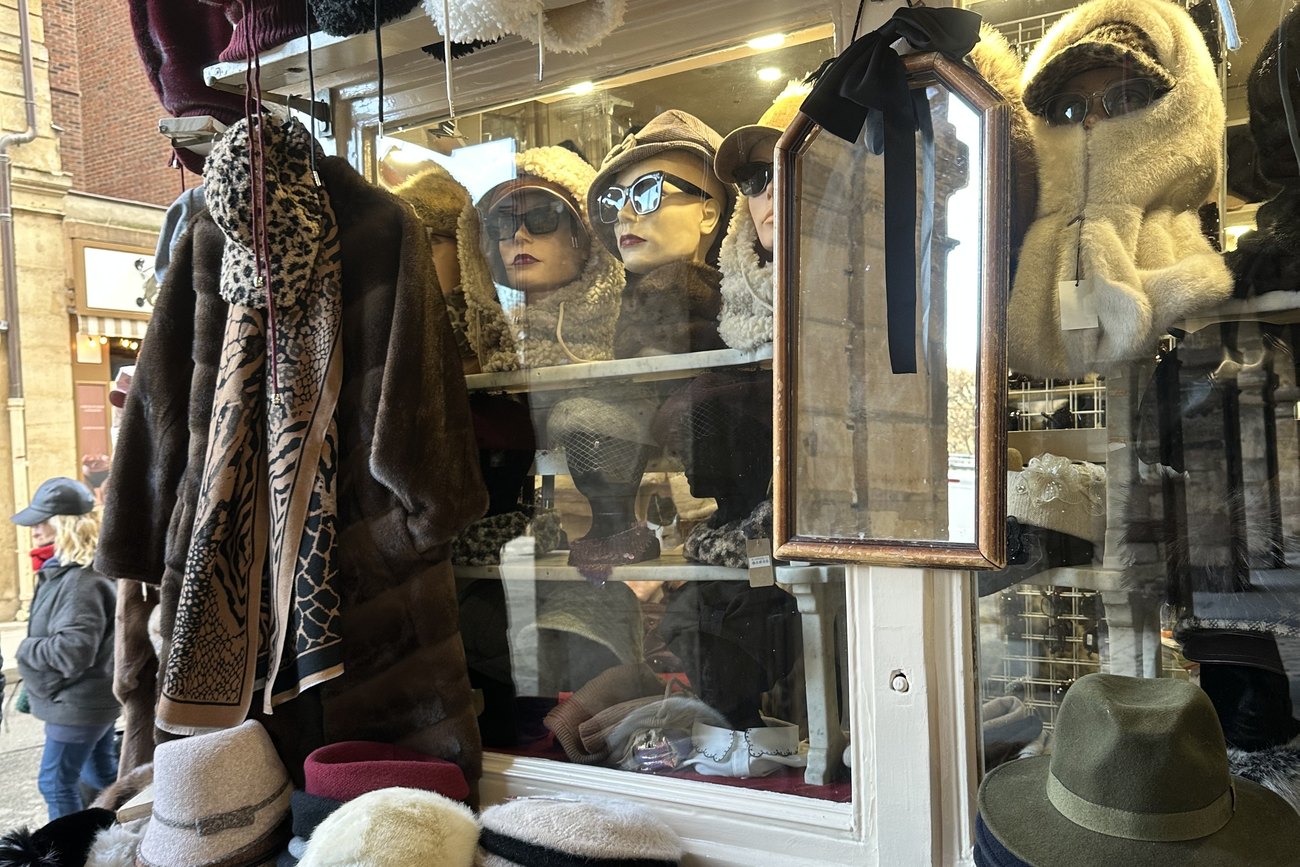
Paris boutique guide for travellers seeking vintage treasures, independent designers and neighbourhood shops with a little more story and style in Paris.
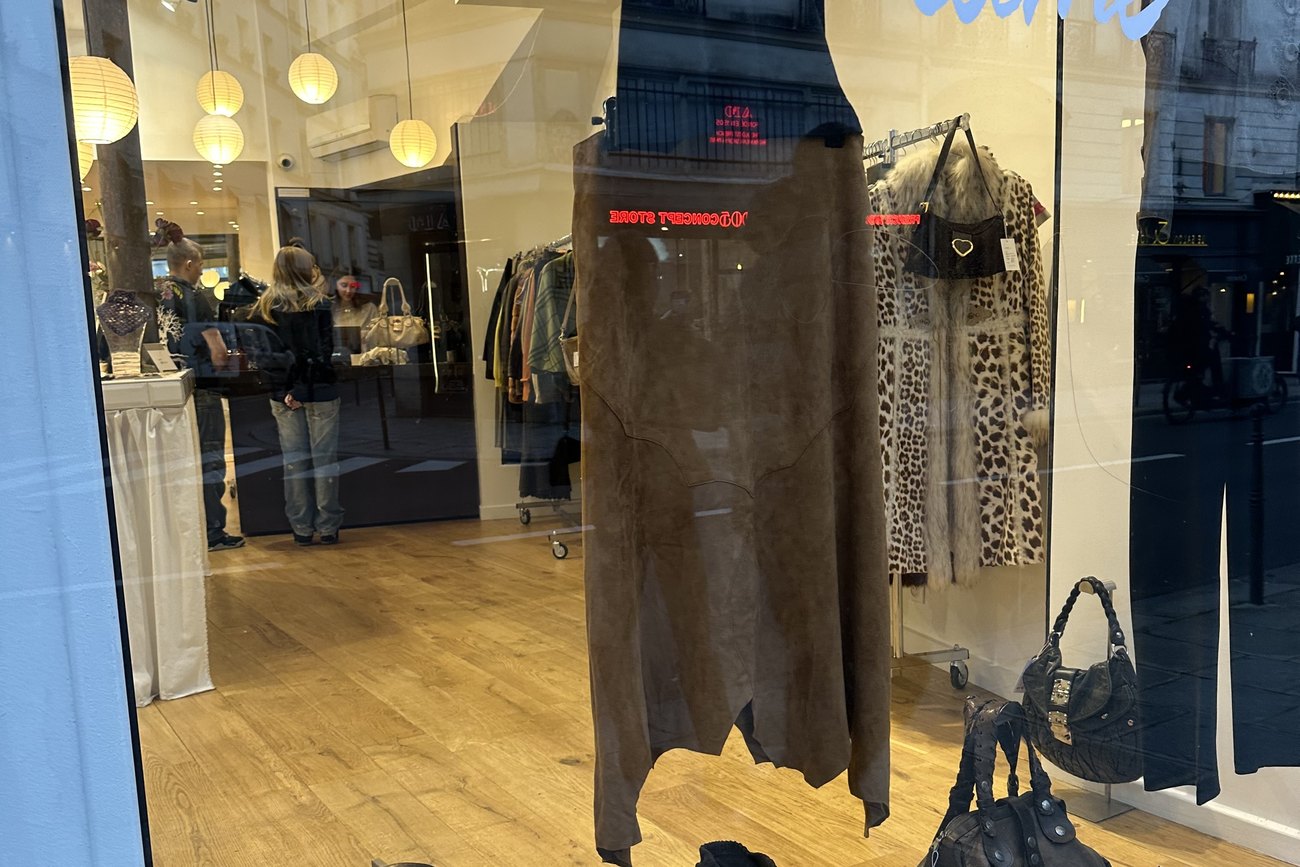
Learn how to shop designer archives in Paris, from reading condition and provenance to finding pieces that feel personal, wearable and worth the hunt.