Paris Boutique Guide for a More Personal Day
Paris boutique guide for travellers seeking vintage treasures, independent designers and neighbourhood shops with a little more story and style in Paris.
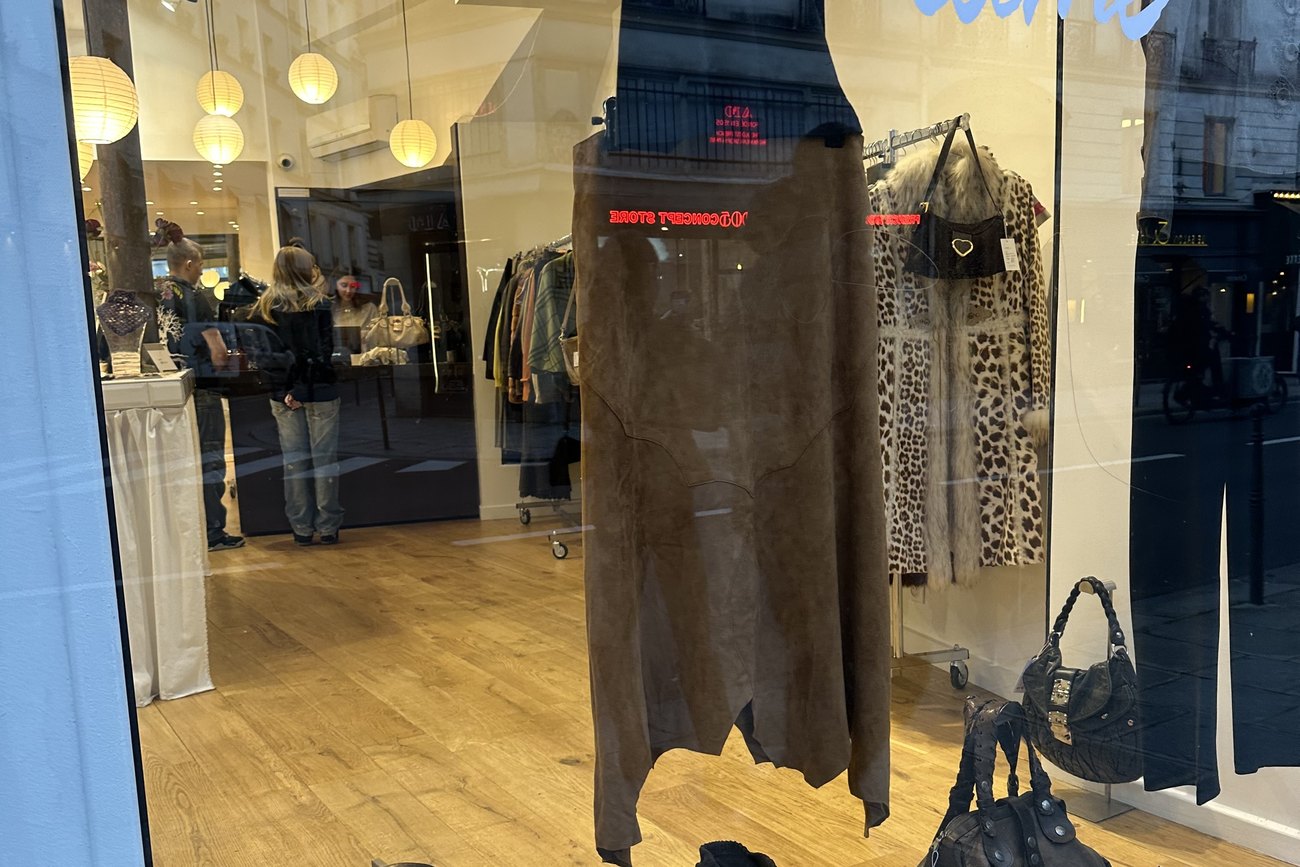
A 1990s Prada skirt with its original label, a silk Jean Paul Gaultier top that still holds its shape, a Margiela knit with the right quiet oddness - designer archives have a way of making a wardrobe feel less bought and more discovered. Learning how to shop designer archives is not about collecting names for their own sake. It is about recognising the design language that makes you pause, then deciding whether a piece belongs in the life you actually lead.
For the fuller guide, see How to Find Vintage Treasures on a Paris Trip.
Paris is a particularly lovely place for the search. Between polished consignment boutiques, appointment-only showrooms and the more unpredictable rails of vintage dealers, the city invites you to look slowly. The reward is not merely a rare label. It is the feeling of carrying home a small chapter of fashion history, chosen for yourself.
Designer archive is often used loosely, but it usually refers to past-season pieces with cultural, creative or collector interest. They may come from a landmark runway collection, represent a recognisable period in a house's history, or show a silhouette, fabrication or styling idea that still feels influential. Think Helmut Lang tailoring from the late 1990s, early Nicolas Ghesquière for Balenciaga, Phoebe Philo-era Céline, vintage Alaïa, or Comme des Garçons pieces whose construction remains startling decades later.
Not every older designer garment is archival, and not every archival piece needs to be expensive. A simple ready-to-wear jacket may matter because of its cut, textile or place within a designer's evolution. Conversely, a loudly branded item can be recent, common and priced more for internet attention than lasting significance. The useful question is not, Is this famous? It is, What does this piece say about its maker and its moment?
That distinction gives your shopping a little more poetry and much less panic. You are not racing to secure whatever someone else has declared desirable. You are learning to see.
Begin with a personal point of view. It can be as simple as wanting sharp 1980s tailoring, romantic 2000s eveningwear, unusual knitwear, or clothes that bring a little Parisian drama to a mostly practical wardrobe back in Australia. Save a small folder of looks you return to often, paying attention to proportion rather than labels alone. Do you favour a long, narrow line? A cinched waist? Clothes with volume at the shoulder? These details make a better compass than a list of must-have brands.
It also helps to learn a little about the eras that draw you in. A few collection images, old campaign photographs and designer interviews can train your eye to notice signatures: the placement of a Gaultier label, the spare severity of a Lang trouser, the particular curve of an Alaïa seam. You need not become an expert before your trip. Enough context simply helps you ask better questions and understand why one black dress feels ordinary while another feels electric.
Set a figure you are genuinely comfortable spending, then keep a little room for alterations, cleaning and the unexpected piece that makes the afternoon. Archive shopping is rarely a bargain hunt in the traditional sense. A fair price depends on rarity, condition, provenance, desirability and how readily the item can be worn. The best value is often a beautifully made piece you will reach for repeatedly, not the cheapest item with an exciting label.
The romance of a fashion archive should never stop you checking the practical details. Ask to see the garment in clear daylight where possible, and take your time with the inside as well as the front. Look along seams, under the arms, at hems, closures and lining. Silk can show faint water marks; wool may harbour moth damage; leather can dry, crack or become sticky; embellished pieces may have missing beads that are difficult to replace.
Ageing is not automatically a flaw. A softened leather jacket or gently faded denim can be part of the appeal. What matters is whether the wear feels stable and honest, or whether it will make the piece difficult to enjoy. Be especially alert to alterations that have changed the garment's original line. A skilled repair can be reassuring, while a roughly shortened hem or removed label deserves a conversation.
Provenance is another word worth knowing. It means the story of where an item came from: perhaps an original owner, a respected collection, a showroom sample or a documented consignment. A trustworthy seller should be comfortable discussing what they know, even if the answer is simply that the history is unknown. Original tags, receipts, garment bags and runway references can add confidence and sometimes value, but they are not substitutes for careful inspection.
Authenticity is nuanced, particularly with older pieces whose labels differ from modern production. Examine typography, stitching, hardware and care labels in relation to known examples, but avoid treating one online checklist as final proof. If an item carries a serious price, buy from a specialist with a clear authentication process and a reputation they are willing to stand behind. If uncertainty remains, walk away. There will always be another beautiful thing on another rail.
Sizing is one of archive fashion's little tricks. A vintage French 40 may bear almost no resemblance to the size you expect, and garments from the 1990s or early 2000s were often cut for a different body ideal. Ignore the number. Ask for measurements, try pieces on where you can, and move in them. Sit down, raise your arms, fasten every fastening and notice where the fabric pulls.
Then picture the garment outside the boutique. Could the sculptural blazer work with your favourite jeans and loafers? Would the rare evening top have a life beyond one dinner reservation? The answer can absolutely be no and still justify the purchase if you are buying a true collector piece. But it is useful to be clear with yourself. There is pleasure in owning a fashion object; there is a different, deeper pleasure in wearing it until it becomes entwined with your own memories.
A good archive find need not announce itself from across the room. Often it is a detail that changes how you carry yourself: a precise shoulder, a luminous lining, a sleeve that makes an ordinary coffee stop feel cinematic.
Where you shop depends on what you hope to find. The Marais is a natural starting point for curated vintage and designer resale, with boutiques where the edit tends to be considered and the prices reflect that care. Around Palais-Royal and the first arrondissement, you may find more polished, collector-led spaces, particularly for luxury accessories, jewellery and immaculate ready-to-wear. Saint-Ouen offers a less predictable rhythm - part treasure hunt, part exercise in discernment - and rewards visitors who are willing to sift.
If you are after one specific designer, season or silhouette, make appointments with specialist dealers before you arrive. This is often the wisest route for serious purchases because a dealer can pull suitable pieces, explain condition and save you from spending a precious Paris afternoon searching blind. For a more intuitive day, allow space for wandering. The most memorable finds are sometimes the ones that were not on the list.
A personalised vintage-fashion shopping experience with Rêverie Tours can be especially helpful when you want the city to feel intimate rather than transactional. A local guide can shape the route around your taste, whether that means a particular era, a practical wardrobe refresh or one singular piece worth remembering.
Good sellers expect thoughtful questions. Ask about the approximate date, fabric composition, alterations, repairs and care requirements. If you are buying a bag or shoe, inspect corners, straps, soles and internal pockets; these areas reveal far more than a flattering display. For clothing, ask whether the piece has been cleaned and whether it requires specialist care.
There is no need to perform encyclopaedic knowledge. A simple, informed curiosity is enough. Say what you are looking for and how you imagine wearing it. The right dealer may show you something better than the item you came in seeking.
Keep receipts, authentication notes and any supporting paperwork once you buy. Photograph labels and notable condition details before packing, particularly if you are travelling with delicate textiles. Fold structured garments carefully, cushion hardware, and consider carrying truly special pieces rather than consigning them to the boot of a taxi or the uncertainty of checked luggage.
The finest designer archive purchase is not necessarily the rarest or the most expensive. It is the one that still gives you a small jolt when you see it months later - a reminder of a quiet Paris street, an afternoon spent looking closely, and your own evolving eye for beauty.
Explore our Paris experiences: philosophy walks, vintage shopping, oysters and Champagne, and custom food and wine tours.
Explore Paris Tours
Paris boutique guide for travellers seeking vintage treasures, independent designers and neighbourhood shops with a little more story and style in Paris.
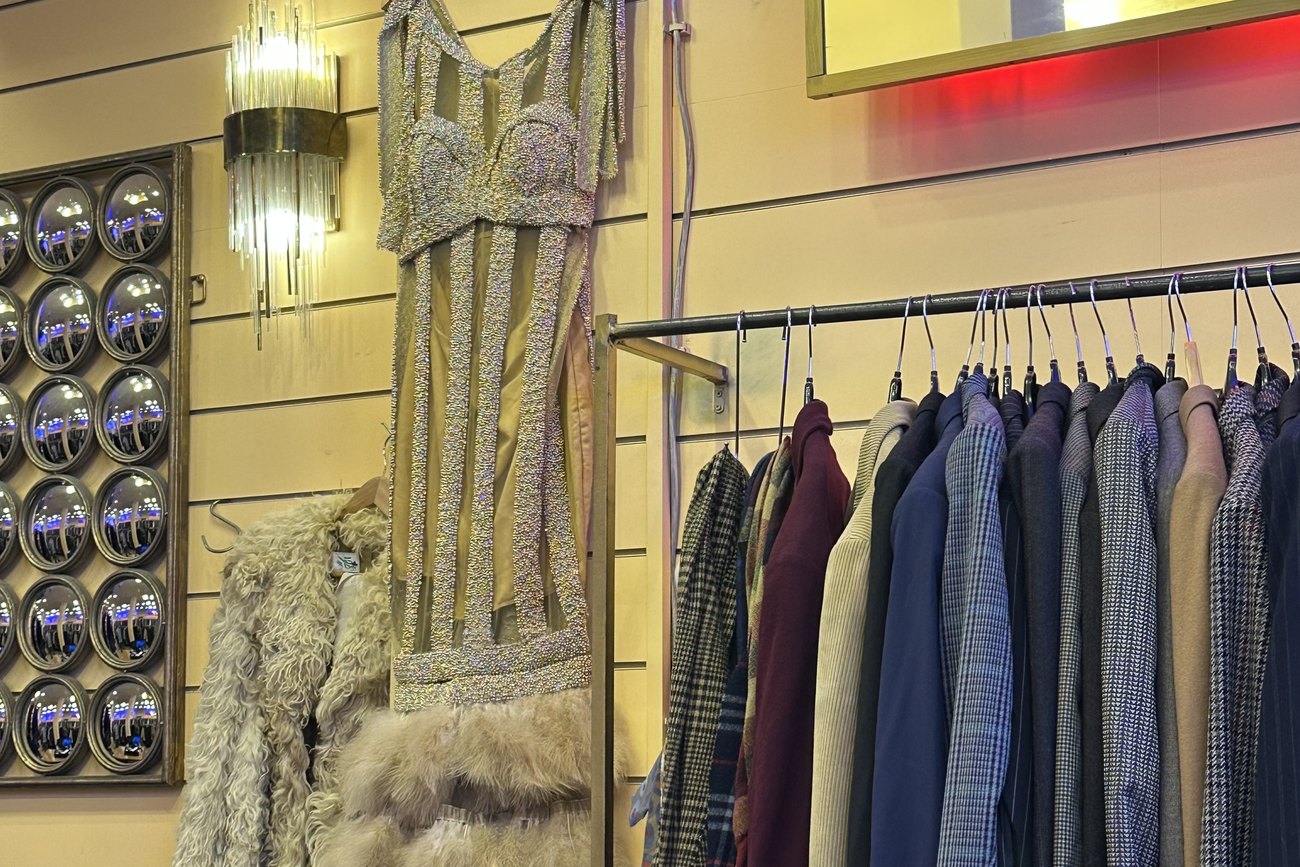
Learn how to find vintage treasures in Paris, from knowing what to inspect to shopping the right neighbourhoods with a patient, discerning eye at ease.