Where Do Parisians Buy Pastries? A Local Guide
Wondering where do Parisians buy pastries? Find neighbourhood pâtisseries, what to order, and the small rituals that make a Paris sweet stop feel local.
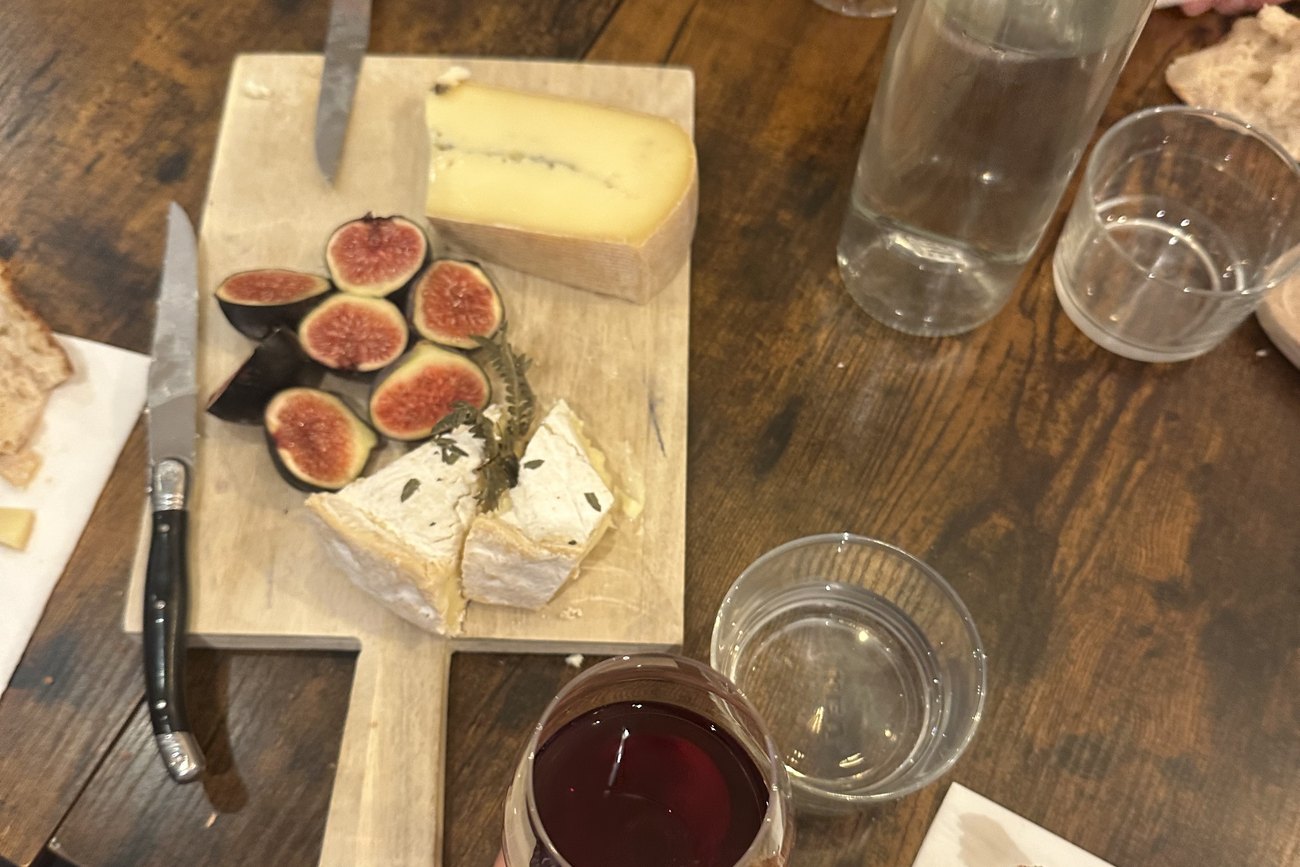
The first bite of a properly made Parisian croissant has very little to do with rushing between monuments. Its lacquered crust shatters onto the footpath, the centre is warm and buttery, and suddenly the city asks you to slow down. A Paris pastry walking tour is an invitation to do exactly that: follow the scent of fresh bread through beautiful neighbourhoods, taste with intention, and see how France’s most elegant sweets belong to daily life rather than a display case.
For the fuller guide, see Where Do Parisians Buy Pastries? A Local Guide.
For travellers who have already ticked off the Eiffel Tower, or simply prefer a morning with character over another crowded queue, pastry offers a remarkably personal route into Paris. It is history, craft, regional identity and small ritual, all wrapped in paper and carried down the street.
Parisian pastry is often photographed as a glamorous object: jewel-like entremets, precise fruit tarts, glossy chocolate, boxes tied with ribbon. But its real charm lies in the rhythm around it. Locals stop at the boulangerie before work, families bring a cake to Sunday lunch, and a good neighbourhood pâtissier earns loyalty over years rather than through a single viral creation.
A thoughtful walk gives those habits context. Your guide can explain why a boulangerie and a pâtisserie are not quite the same thing, what makes laminated dough so difficult to perfect, and why the seemingly modest flan has become a serious object of devotion. You might learn that the madeleine has literary weight far beyond its small shell-shaped form, or that a dessert named after an opera house carries the elaborate layers one would expect.
The pleasure is not limited to sweet things, either. A warm gougère, filled with cheese and impossibly light, can reset the palate between chocolate and fruit. So can a piece of baguette from a bakery that takes fermentation seriously. The most memorable tastings are paced, not piled high.
The best tours avoid treating Paris as a tasting checklist. Rather than marching a large group through well-known addresses, look for a small-scale experience with room to linger, ask questions and follow the guide’s instincts. Two to two-and-a-half hours is often ideal: long enough to explore a neighbourhood and sample several distinct styles, without turning a lovely afternoon into a sugar marathon.
Expect a mixture of classic and contemporary. One stop may favour old-school French precision: a mille-feuille with crisp caramelised layers, a saint-honoré crowned with choux buns, or a seasonal tart whose fruit is at its peak. Another may approach pastry with a more modern eye, using unexpected herbs, single-origin chocolate or a playful, sculptural finish.
A good guide will make the difference between admiration and understanding clear. The colour of a croissant can reveal whether it has been properly baked. The sheen on a chocolate ganache tells a story about temperature and technique. A display window may be beautiful, but it is the flavour, texture and balance that matter once you are standing on the footpath with a napkin in hand.
There is also a practical advantage to being guided. Paris has no shortage of famous names, and some are absolutely worth visiting. Yet the city’s most satisfying pastry moments are often found at independent shops that do not need a long social-media queue to prove their worth. A local guide can organise the route around opening hours, seasonal specialties and your own preferences, whether you love dark chocolate, crave fruit-forward desserts or would rather begin with savoury baking.
Pastry tastes different when the streets around it have their own personality. In Saint-Germain-des-Prés, a walk can feel elegant and literary, with gallery windows, old cafés and a sense of Left Bank ceremony. The Marais brings a more energetic mix of historic lanes, fashion, Jewish baking traditions and creative independent food shops. Montmartre offers village-like corners and hills that make a buttery stop feel well earned.
The 9th and 10th arrondissements can be especially rewarding for travellers interested in contemporary Paris. Here, admired pastry chefs sit alongside natural-wine bars, young restaurants and specialist roasters. It is a compelling choice for repeat visitors who want to see where the city’s food culture is evolving.
No area is universally best. If it is your first visit and you want a classic Paris mood, the Left Bank may suit you. If you care as much about neighbourhood life as iconic views, a less obvious arrondissement can be more revealing. The route should serve the experience, not the other way around.
Before booking, consider what you want to remember. A tour focused on French pastry technique will feel different from one that includes bread, chocolate, ice cream and a few savoury bites. Neither is better, but knowing your appetite helps. If you have a particular fascination with viennoiserie, say so. If you are celebrating a birthday, an anniversary or your first day in Paris, a guide can often make small adjustments that give the outing a more personal shape.
Group size matters, too. With a smaller group, there is time to talk about what you are tasting and to receive recommendations beyond the route - perhaps a wine bar for later, a market to visit the next morning, or the right dessert to bring back to your hotel. It feels less like being processed through a city and more like being let in on it.
Ask about dietary requirements early. Paris is increasingly accommodating, and excellent gluten-free, vegan and dairy-free options exist, but pastry is built on flour, butter, eggs and cream. A guide who has time to plan can create a more considered experience than one trying to make last-minute substitutions at each stop. Severe allergies require particular care because cross-contamination is common in small working kitchens.
Timing also shapes the experience. Morning is beautiful for bread and viennoiserie, when trays are fresh from the oven and the city is still gathering itself. Mid-afternoon suits pâtisserie, particularly if you enjoy pausing for tea or coffee after a few tastings. Avoid arriving ravenous. A light breakfast leaves room for pleasure without dulling the finer details of each bite.
There is no need to perform Parisian expertise. Curiosity and politeness go a long way. Greet staff with a warm “bonjour” when entering, and do not be surprised if a tiny shop feels brisk during the morning rush. The work is exacting, the counter is small, and regular customers are often on their way to work.
Eat delicate pastries soon after buying them whenever possible. A mille-feuille will not improve in a handbag, and a warm croissant deserves your full attention before it cools. If you would like to photograph a display, be considerate of the queue and ask before taking images inside a shop.
Most of all, resist the urge to judge every pastry by how dramatic it looks. A quiet tarte au citron, a simple financier, or a perfectly made pain au chocolat can be as revealing as the most theatrical creation. Paris rewards close attention.
A pastry walk is most beautiful when it leaves a little room around the edges. Perhaps a particular bakery has just brought out a limited summer peach tart. Perhaps rain begins and your guide suggests eating under the awning of a nearby café. Perhaps you find yourself returning the following morning for the very thing you had not planned to love.
That is the kind of day Rêverie Tours believes in: not sightseeing as a race, but living the daydream with enough time to taste it. Wear comfortable shoes, bring a small appetite and let one excellent pastry lead you into a neighbourhood you might otherwise have passed by.
Explore our Paris experiences: philosophy walks, vintage shopping, oysters and Champagne, and custom food and wine tours.
Explore Paris Tours
Wondering where do Parisians buy pastries? Find neighbourhood pâtisseries, what to order, and the small rituals that make a Paris sweet stop feel local.
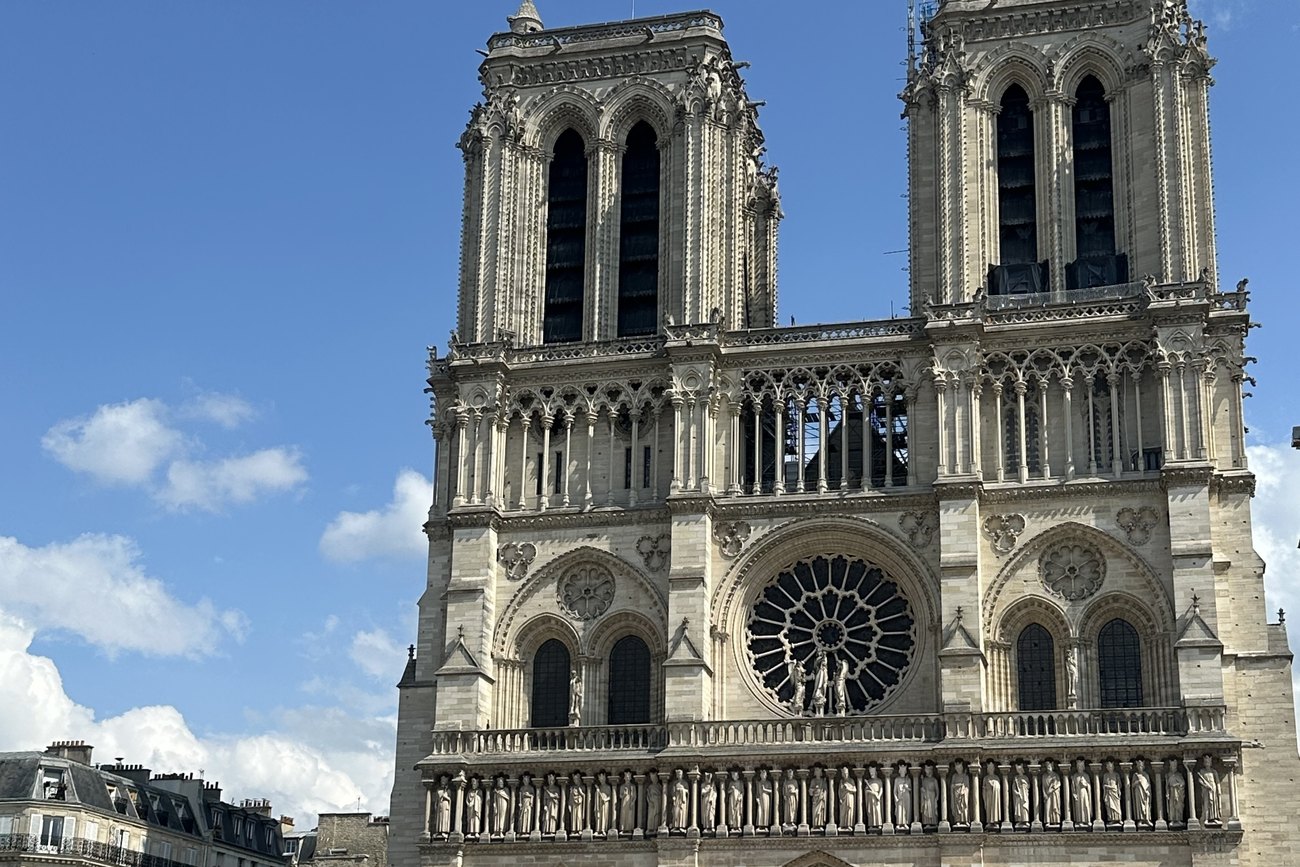
Use this Paris neighbourhood walking guide to wander six characterful quarters, with smart pacing, food stops and the stories that make Paris linger on.