Where Do Parisians Buy Pastries? A Local Guide
Wondering where do Parisians buy pastries? Find neighbourhood pâtisseries, what to order, and the small rituals that make a Paris sweet stop feel local.
A glass of Chablis on a warm Paris afternoon can seem almost contradictory: crisp, saline and bright, as though it belongs beside a northern French river rather than a sunlit table in Saint-Germain-des-Prés. That little surprise is the pleasure of a Paris wine terroir tasting. You are not simply learning whether you prefer red or white. You are tasting weather, geology, local tradition and the decisions of the person who made the wine.
For travellers who would rather bring home a sharper sense of France than another rushed museum visit, terroir offers a beautiful way in. Paris may not be a wine-growing city, but it is one of the best places to understand the country’s vineyards. France arrives here in bottles, from the chalky slopes of Champagne to the granite hills of the northern Rhône, and a thoughtful tasting gives each region a voice.
Terroir is often translated simply as “place”, but French winemakers mean something more layered. It is the character created by a vineyard’s soil, aspect, altitude, microclimate and drainage, alongside the generations of human judgement that shape what grows there. A vine planted a few metres away can produce grapes with a noticeably different expression.
This is why French wine can feel wonderfully specific. In Burgundy, Pinot Noir may shift from fragrant red cherry and rose to darker fruit, earth and spice as you move from one village to the next. In the Loire Valley, Sauvignon Blanc can taste flinty and taut in Sancerre, then softer and more herbal elsewhere. The grape is only the beginning of the story.
A good host will also make clear that terroir is not a magic word stamped on every expensive bottle. Farming matters. Vintage matters. So does the producer’s hand in the cellar. Oak, extraction, ageing and sulphur use can either frame a wine’s sense of place or obscure it. The most revealing tastings leave room for this nuance rather than treating wine as a geography exam.
Paris is the natural salon for French wine. The city has long been where merchants, restaurateurs, writers and collectors gather, compare and argue over bottles from every corner of the country. Within a short walk, you might find a serious independent caviste, a tiny bar pouring low-intervention wines, and a bistro with a cellar full of classic appellations.
That range makes Paris especially welcoming for wine drinkers at every level. You do not need to arrive able to identify a grand cru vineyard or pronounce every appellation flawlessly. The city’s best tastings can begin with sensation: the aroma of quince in a white from the Jura, the violet perfume of a northern Rhône Syrah, the comforting savoury depth of a mature Bordeaux. Context follows naturally when the glass has already caught your attention.
There is also a practical advantage. Visiting vineyards requires time, transport and careful planning, especially if you want to compare regions. In Paris, an evening can move across France without turning your holiday into a logistical project. It is an ideal first encounter with terroir, or a satisfying deepening for travellers who have already fallen for Champagne, Burgundy or the Rhône.
A well-curated flight usually tells a story rather than attempting to cover all of France. One compelling approach is to taste a crisp Chablis beside a richer white Burgundy. Both are Chardonnay, but Chablis often speaks in citrus, oyster shell and cool tension, while a Côte de Beaune wine may bring stone fruit, hazelnut and a gentler texture.
For reds, Pinot Noir from Burgundy and Gamay from Beaujolais make a lively pairing. They can both be fresh and food-friendly, yet Pinot Noir often carries fine perfume and silken structure, while Gamay may feel juicier, pepperier and more immediate. A flight might then travel south to a Syrah from the Rhône, where warmer conditions and granite soils can bring black olive, pepper and dark berries.
The point is not to declare a winner. It is to notice what draws you in. Some people love mineral whites with a clean, mouthwatering finish; others find themselves lingering over the warmth and savoury spice of a southern red. Individual taste is part of the pleasure, and it makes a later bottle order at dinner far more personal.
The most memorable tastings are unhurried. Begin by looking at the wine, but do not worry about locating a precise shade of gold or ruby. Swirl gently, smell twice, then take a small sip and let it sit on your palate for a moment. Is it fresh or broad? Does it feel light on its feet, or does it have grip? What flavour remains after you swallow?
You may hear French terms such as acidité, minéralité and structure. They are useful only when they help name something you can feel. Acidity is the lift that makes you want another sip. Structure can come from tannin, the drying sensation common in red wine, or from a wine’s weight and shape. Minerality is more elusive, often used for a stony, saline or smoky impression rather than a literal taste of rock.
Ask questions that lead back to the vineyard. Was the year warm or cool? Are the vines planted on limestone, clay, granite or volcanic soils? Is the wine aged in new oak, old barrels or steel? These details make the differences tangible. They also reveal why two bottles made from the same grape can have entirely different personalities.
It helps to resist the urge to search for the “correct” answer. If a wine reminds you of a garden after rain, dried herbs, cherries or the smell of a book-lined cellar, say so. Tasting notes are a shared language, not a test. The best guides make room for your own associations while offering the cultural detail that brings the glass into focus.
Wine and food pairing is not a side act in France. Salt, fat, acidity and texture can transform a wine in seconds. A bracing white may feel almost severe on its own, then become graceful beside oysters or fresh goat’s cheese. A tannic red can seem firm until it meets charcuterie, duck or a deeply savoury mushroom dish.
For an intimate Paris tasting, a few thoughtful bites are more revealing than an overloaded cheese board. Try a mineral white with oysters and notice how the wine’s saline notes seem to sharpen. Taste a Beaujolais with saucisson, or a mature Bordeaux with a nutty hard cheese, and see how the food softens the wine’s edges. This is where terroir becomes less abstract: it becomes a very good reason to pause at the table.
Those with dietary requirements should raise them in advance. A considerate tasting can usually be adapted, but French regional specialities often include dairy, cured meat or seafood. The same applies to preferences around natural wine. Some travellers are seeking minimal-intervention bottles; others would rather start with classic producers and traditional styles. Neither route is more sophisticated. They simply offer different perspectives on place and winemaking.
Terroir is easier to taste once you can put a few regions to it. Champagne, northeast of Paris, is built on chalk, and its hallmark is tension: fine bubbles, citrus and apple freshness, sometimes brioche or toasted hazelnut with age. Burgundy is Chardonnay and Pinot Noir taken village by village, from the steely, citrus-led whites of Chablis to the softer, stone-fruited reds of the Côte de Beaune. The Loire Valley is Sauvignon Blanc country around Sancerre and Pouilly-Fumé, with Chenin Blanc from Vouvray and savoury, red-fruited Cabernet Franc from Chinon. Bordeaux splits along the Gironde estuary: Cabernet Sauvignon and firmer tannins on the Left Bank, Merlot and softer, plummier wines on the Right. Ask what's poured from each on a Paris wine list, and the differences stop being theoretical.
The format matters as much as the bottle. Large, theatrical tastings can be fun for a broad introduction, particularly if you are travelling with a lively group. But they rarely leave much room for questions, comparison or the small observations that make wine feel alive.
For a more personal experience, choose a small group or private tasting with a clear regional theme and a host who can adapt to your interests. A couple planning a Burgundy escape might focus on the Côte d’Or. Friends who love food may prefer an oyster-and-white-wine pairing. A curious beginner may get more from four contrasting wines with clear explanation than from a rapid-fire survey of a dozen labels.
Venue matters, too. Paris has polished cellars, relaxed neighbourhood bars and intimate tasting rooms, each with its own atmosphere. The right setting should feel considered rather than staged, with enough calm to smell, taste and talk. At Rêverie Tours, the intention is not to tick off famous names, but to create a convivial encounter with France through independent venues, seasonal pairings and the stories behind the bottle.
A two-hour tasting is often enough to build a meaningful foundation without dulling the palate. If you are adding it to a full day of galleries, shopping or long lunches, an early evening appointment is particularly lovely. You can carry what you have learned into dinner, choosing a bottle with the quiet confidence of someone who now knows why a wine tastes the way it does.
Paris rewards the traveller who slows down long enough to notice its details. Let a terroir tasting be one of those pauses: a table, a few well-chosen glasses, and a small journey through France before the city lights come on.
Explore our Paris experiences: philosophy walks, vintage shopping, oysters and Champagne, and custom food and wine tours.
Explore Paris Tours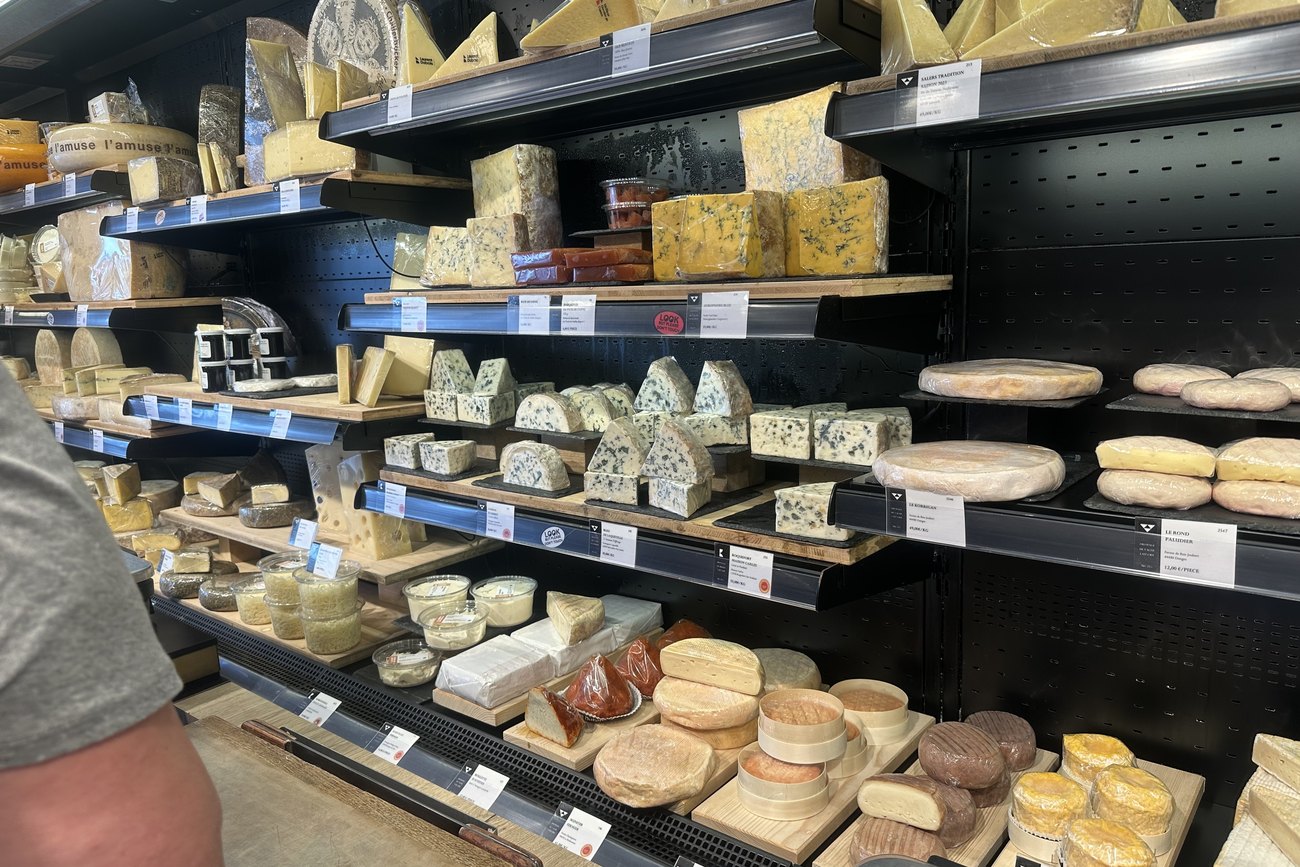
Wondering where do Parisians buy pastries? Find neighbourhood pâtisseries, what to order, and the small rituals that make a Paris sweet stop feel local.
Use this Paris neighbourhood walking guide to wander six characterful quarters, with smart pacing, food stops and the stories that make Paris linger on.