How to Navigate Roman Forums with a Clear Route
Learn how to navigate Roman forums with a thoughtful route, timed pauses and myth-rich context, from the Arch of Titus to Trajan’s Market in Rome today.
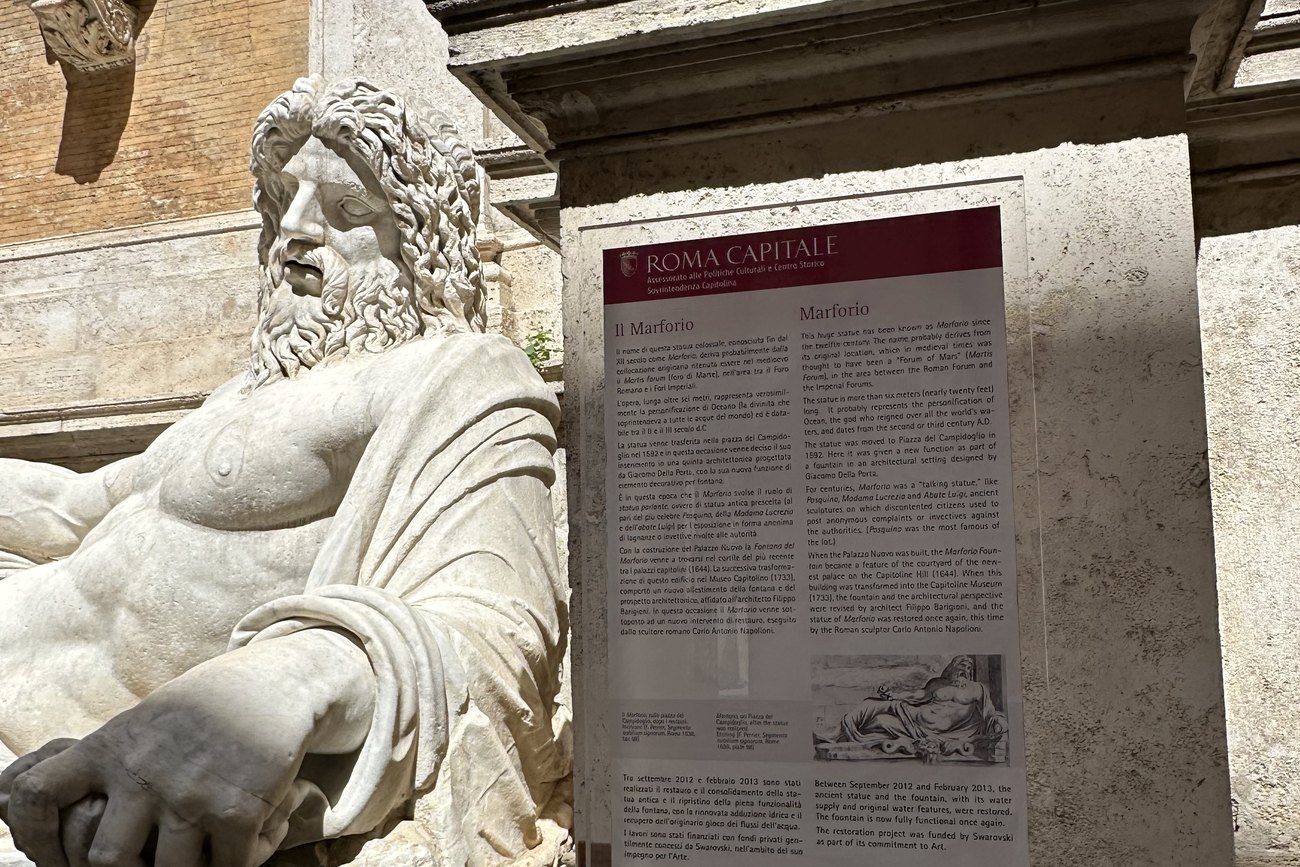
A carved bull on an altar, a priest with his head veiled, a little incense box held open in a marble procession: Rome is full of images that look decorative until you know what they are saying. This Roman ritual symbols guide is for travellers who want to read the ancient city with more intimacy, whether you are standing in the Imperial Forums, lingering over sculpture in a museum, or noticing a half-erased relief beside a church.
For the fuller guide, see How to Navigate Roman Forums with a Clear Route.
For the Romans, religion was not a private matter of belief alone. It was a public language of gestures, objects, animals, seasons and places. Ritual helped maintain the pax deorum - the right relationship between Rome and its gods. A symbol therefore rarely stood alone. It made sense through the action around it: who carried it, where it appeared, which deity was addressed, and what Rome hoped to receive in return.
The first useful distinction is between a god’s identifying attribute and a ritual object. Jupiter’s thunderbolt, Minerva’s owl and Venus’s dove can point towards a particular deity. A patera, incense burner or sacrificial axe, by contrast, tells you that a ceremony is taking place. On monuments, the two categories often meet. A scene may show an emperor sacrificing before a temple, surrounded by divine signs that present the act as orderly, sanctioned and beneficial to the state.
Context matters more than any single motif. A snake might suggest healing, household protection, rebirth, or the sacred spirit of a particular place. A bird might be an ordinary decorative flourish or a message read by an augur. Rather than asking, “What does this always mean?”, ask, “What ritual world is this image creating?” It is a more Roman question, and it leads to much richer looking.
The altar, or ara, is one of Rome’s clearest ritual signs. It was the meeting point between human and divine realms, built for offerings of wine, incense, grain, cakes and, on major occasions, animal sacrifice. You may see garlands draped around carved altars, suggesting festival abundance and a space set apart from ordinary life.
An altar did not need to be grand. A household shrine might have had a modest altar for the Lares, protective spirits associated with family and home. A monumental altar could commemorate imperial peace, military victory or a public vow. The difference is scale, not the essential idea: an offering was a carefully structured exchange, given with the hope of divine goodwill.
When you encounter a reconstructed altar or relief, look for a raised platform, a flame, attendants and vessels. These details turn a stone block into a living scene. Imagine the smell of wine hitting warm ash, the sweetness of incense, the murmur of prescribed words, and the crowd gathering in the open air.
Laurel leaves are among the most recognisable Roman motifs. Their modern association with achievement is not accidental. Laurel was linked to Apollo and came to signify victory, poetic distinction and imperial authority. A wreath placed on a ruler’s head did more than make him look triumphant. It aligned political success with divine favour.
Garlands carry a slightly different mood. They might be made from flowers, leaves or fruit, and could decorate altars, sacrificial animals and sacred architecture. In a city that understood ritual as a matter of proper presentation, greenery announced celebration, vitality and reverence. It also had a practical sensory force. A festival was not silent white marble. It was colour, foliage, fabric, smoke and music.
Do not assume every wreath is laurel. Oak leaves, for instance, could signal the corona civica, an honour awarded for saving the life of a Roman citizen. The material and setting change the meaning.
The most revealing objects are often small enough to miss. On reliefs and coins, priests’ implements serve almost like visual shorthand for religious office and public ceremony.
The patera is a shallow bowl used to pour a liquid offering, usually wine, onto an altar. It is frequently held in an outstretched hand, sometimes above a flame. The simpulum, a small ladle with a long handle, was used to draw and pour wine. Both point to libation, one of the most common and enduring acts in Roman worship.
You may also notice the acerra, a box for incense, and the thuribulum, an incense burner. Incense transformed the atmosphere of a rite, marking sacred attention through fragrance and rising smoke. It is tempting to see smoke only as theatrical, but it was also a visible offering carried upward towards the gods.
Then there are the more unsettling tools: the axe, knife and securis, or sacrificial implement. Their presence can indicate animal sacrifice, but Roman images often soften the moment itself. They focus instead on the ordered procession, the richly adorned victim and the priestly preparation. The emphasis is ceremony and correctness, not spectacle.
One of the most elegant ritual clues is the capite velato pose: a man, often an emperor or priest, draws part of his toga over his head while sacrificing. The gesture signals Roman ritual practice and concentrated piety. Augustus is famously represented this way, presenting himself not merely as a powerful leader but as a careful guardian of Rome’s relationship with the gods.
It is worth pausing over the toga itself. Formal clothing created a boundary between civic ritual and everyday activity. In Rome, public religion and public identity were entwined. The person offering sacrifice stood not just as an individual, but as a representative of household, office, army or city.
Women’s religious roles were equally significant, though represented differently. The Vestal Virgins, guardians of Rome’s sacred flame, were recognised by distinctive dress and hairstyle. Their presence reminds us that ritual authority could take forms outside military or political power.
Animals in Roman art can be sacrificial victims, companions of gods, symbols of qualities, or signs through which divine will was interpreted. A bull often suggests strength, wealth and major public sacrifice. Sheep and pigs also appear in offerings, including the suovetaurilia, a solemn rite involving a pig, sheep and bull, performed for purification and protection.
Before sacrifice, an animal was commonly adorned with woollen bands and garlands. These decorations show that the creature had entered sacred space. They should not be read as casual ornament. In a relief crowded with figures, the decorated animal may be the key to recognising the whole scene as ritual.
Birds belonged especially to the world of augury. Roman augurs observed the flight, calls and behaviour of birds to determine whether a proposed action had divine approval. Eagles carried special weight through their association with Jupiter and, later, imperial power. Chickens could also matter profoundly: the appetite of sacred chickens was consulted before military ventures. To modern eyes it may seem improbable, but for Roman commanders, signs were part of decision-making and public legitimacy.
Snakes require care. They can appear beside the Lares in household shrines, representing protective spirits and the generative force of place. They may also relate to healing cults, particularly where Aesculapius is present. A snake is not simply ominous in Roman visual culture. Often, it is guardian, healer or messenger.
A temple was not chiefly a place for a seated congregation. Much ritual occurred outside, at the altar before the temple steps, where a larger public could witness it. The temple housed the god’s image and sacred valuables; the surrounding precinct hosted processions, vows, offerings and civic ceremony.
This is why Rome’s ancient spaces reward slow attention. In the Forum, imagine not a silent archaeological zone but a charged civic theatre. Priests moved through crowds. Magistrates made vows before campaigns. Triumphs wound their way towards the Capitoline. Statues, incense, banners and sacrificial animals created a visual language everyone was expected to understand.
The Imperial Forums add another layer. Their temples and commemorative monuments did not separate devotion from politics. To honour a god, celebrate an emperor and proclaim Rome’s destiny could be part of the same carefully choreographed message. A mythology walk through this landscape, such as those shaped by Rêverie Tours, becomes more vivid when you begin to spot the ritual grammar beneath the grandeur.
When you see Roman ritual imagery, give yourself a few extra moments before reading the museum label. Notice hands first. Is someone pouring, carrying, veiling their head, leading an animal or holding a staff? Then notice what has been placed near the figure: a flame, a wreath, a bird, a vessel, an altar. Finally, look for the audience. Ritual scenes are often about collective order as much as personal devotion.
There is also room for uncertainty. Many fragments are damaged, reused or detached from their original setting, and scholars may disagree over an identification. Let that ambiguity sharpen rather than diminish the experience. Ancient Rome is most compelling when it feels less like a catalogue of fixed answers and more like a city whose old gestures are still legible, if only partly.
On your next walk through Rome, let a curl of carved laurel or a small marble ladle interrupt the rush towards the headline monuments. These quiet signs offer a more personal entrance into the ancient city: not Rome as a checklist, but Rome as a place where people once paused, offered, watched the sky and hoped the gods were listening.
Common Roman ritual symbols include altars, paterae, incense burners, sacrificial implements, laurel wreaths, garlands, veiled heads, sacred animals and birds. Their meaning depends on the ritual, deity and setting in which they appear.
Roman altars (arae) were places where offerings such as wine, incense, grain and animal sacrifices were made to the gods. They represented the meeting point between the human and divine worlds.
A patera is a shallow ritual bowl used to pour liquid offerings, usually wine, onto an altar. When shown in Roman reliefs or sculpture, it is often a clear indication that a religious ceremony or sacrifice is taking place.
The capite velato, where a priest or emperor pulls part of his toga over his head, is a characteristic representation of Roman sacrifice and religious observance. It signals concentration and ritual piety.
Laurel was associated with Apollo and came to represent victory, poetic distinction and imperial authority. Laurel wreaths therefore appear frequently in Roman art and monuments.
Roman sacrifices could involve animals including bulls, sheep and pigs. The suovetaurilia, for example, involved a pig, sheep and bull in a ritual associated with purification and protection.
Snakes had several meanings in Roman religious imagery. They could represent household protection, the sacred spirit of a place, healing or regeneration. Their meaning depends on the context and deity involved.
Birds were closely associated with Roman augury. Augurs observed their flight, calls and behaviour when interpreting divine signs. Eagles were particularly associated with Jupiter and later with Roman imperial power.
Roman augury was the practice of interpreting signs from birds and other natural phenomena to determine whether the gods approved of a proposed action. It played a role in public decision-making and religious ceremony.
Roman priests used incense as part of religious offerings. Objects such as the acerra, an incense box, and thuribulum, an incense burner, appear in Roman ritual imagery.
Roman ritual imagery can be found throughout Rome, particularly in the Roman Forum, Imperial Forums, museums, temples and archaeological sites. Reliefs, sculptures, coins and reconstructed monuments can reveal details such as sacrificial vessels, animals, altars and priestly clothing.
Yes. The Roman Forum contains monuments and archaeological remains connected with Roman public religion, political ceremony and sacrifice. Looking closely at reliefs, temples and reconstructed spaces can reveal how religion was integrated into civic life.
Roman temples housed the image of a deity and sacred objects, while much public ritual took place outside, particularly at the altar in front of the temple. Processions, offerings and civic ceremonies could therefore take place in the surrounding precinct.
Look for combinations of ritual clues rather than a single symbol. A priest with a veiled head, an altar, a patera, incense, sacrificial implements, attendants or a decorated animal can indicate a Roman sacrifice.
Start with the context. Look at what a figure is holding, what they are doing, which animals or objects appear nearby and where the scene is located. Roman symbols often make more sense as part of a ritual scene rather than as isolated motifs.
No. Ancient monuments are often damaged, reused or separated from their original context, and scholars sometimes disagree about particular identifications. Some Roman symbols can therefore have multiple possible meanings.
Yes — Rêverie Tours' Rome mythology walk through the Imperial Forums connects the gods, myths and rituals covered here directly to the ruins where they actually took place, with a guide pointing out the ritual symbolism as you go.
Explore our Rome experiences: mythology among the Imperial Forums, and a snacks and facts walk through the city’s hidden streets.
Explore Rome Tours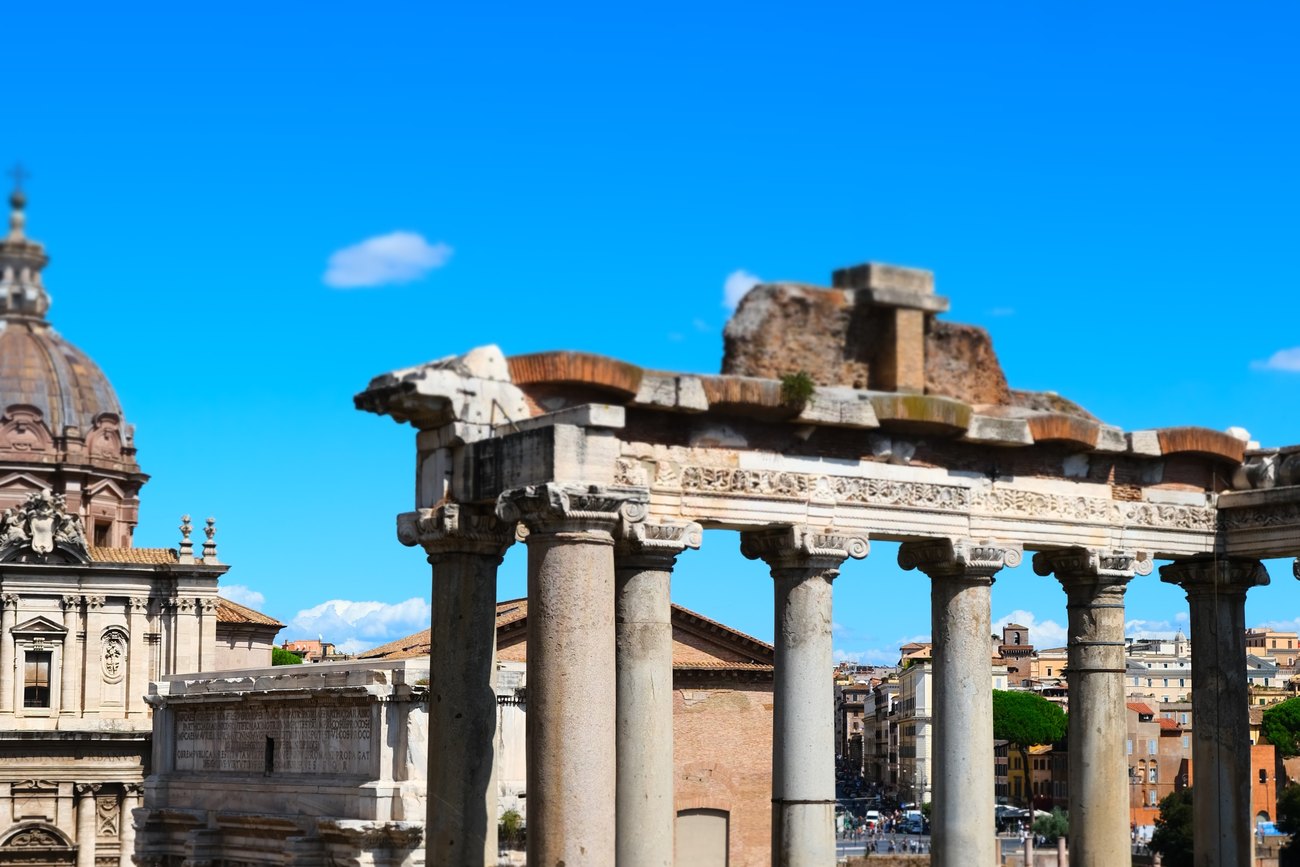
Learn how to navigate Roman forums with a thoughtful route, timed pauses and myth-rich context, from the Arch of Titus to Trajan’s Market in Rome today.
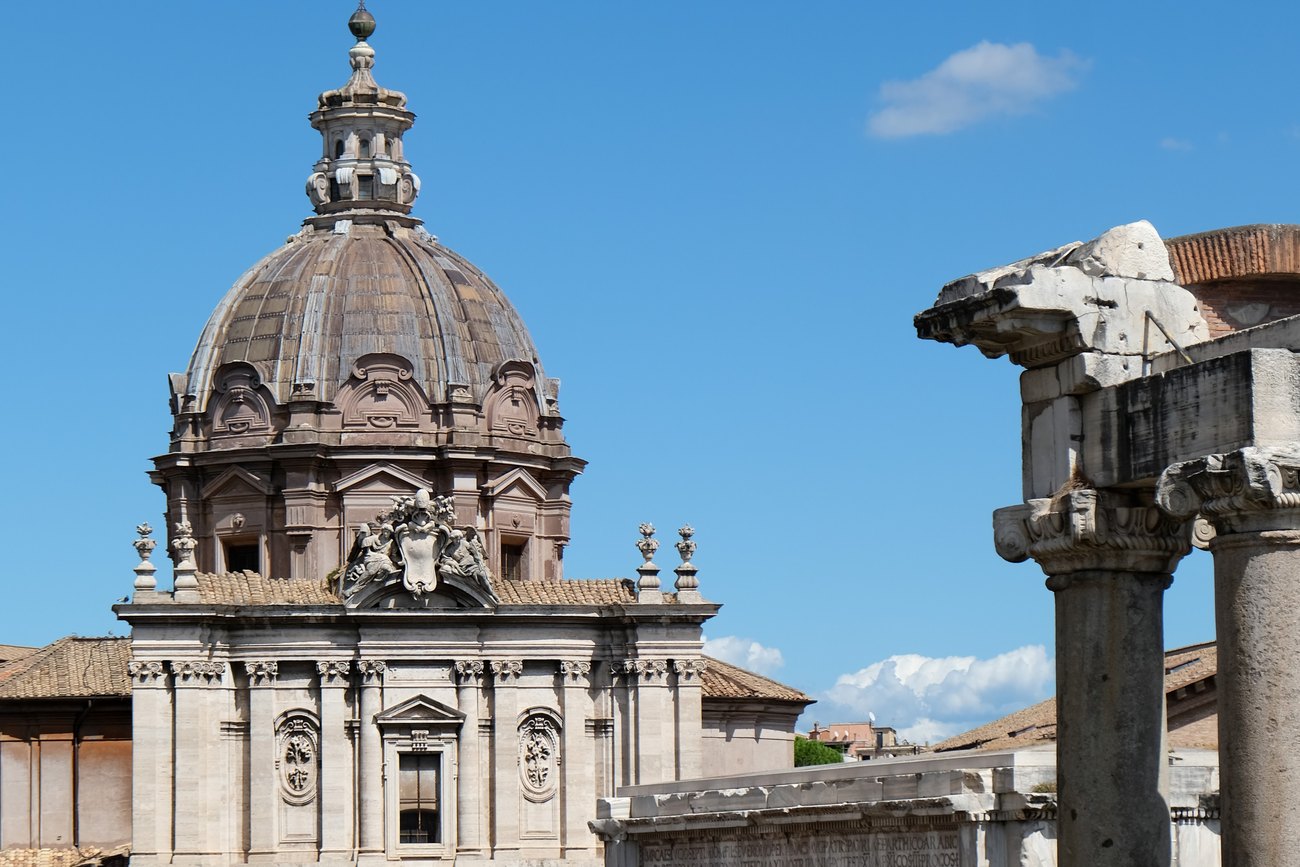
Trace Imperial Forums history through Caesar, Augustus and Trajan, and see how Rome turned marble, myth and power into its most theatrical precinct alive.