How to Book Intimate Tours That Feel Personal
Learn how to book intimate tours in Paris and Rome, from choosing a thoughtful theme to confirming group size, timing, inclusions and personal touches.
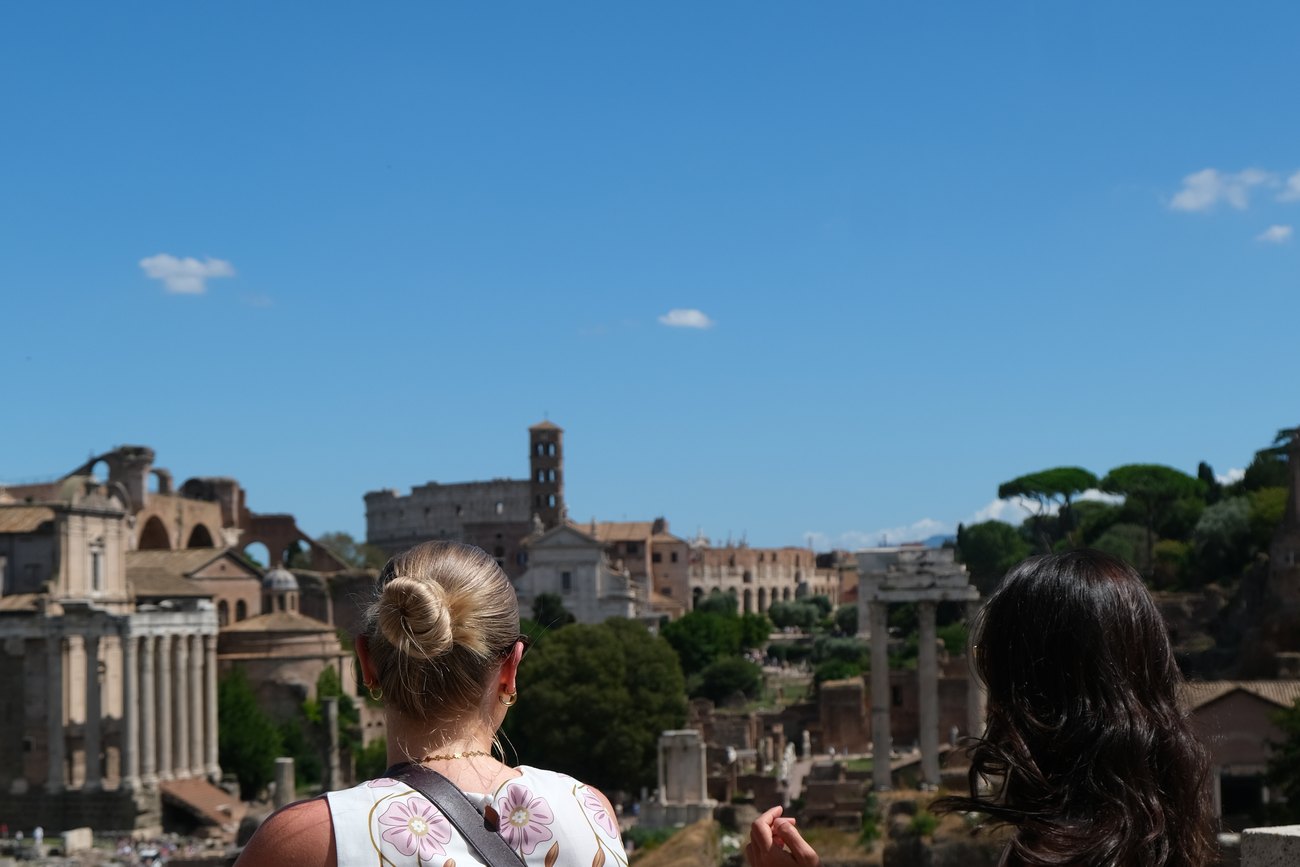
Rome tours can leave you with photographs of the Colosseum, the Trevi Fountain and the Pantheon - yet no real sense of the city that rose, fell, argued, worshipped and reinvented itself around them. Rome is too layered for a hurried procession between landmarks. The most memorable way to meet it is through a story, a neighbourhood and a guide who knows when to pause.
For the fuller guide, see Are Paris Private Tours Worthwhile for You?.
A good tour does more than point out what is old or famous. It gives shape to the scenes in front of you. A broken column becomes evidence of political ambition. A temple becomes the setting for a myth that once explained the seasons, the stars or the strange volatility of human love. An ordinary-looking lane reveals the boundary of an ancient precinct beneath the modern city.
This context changes the pace of a visit. Rather than attempting to conquer Rome in a morning, you begin to notice its contradictions: grandeur beside laundry lines, pagan marble repurposed in Christian churches, a busy trattoria close to a road once used for imperial triumphs. The city feels less like an open-air museum and more like a place with a very long memory.
For travellers who have already done a major sightseeing circuit, this is often the difference between returning to Rome and simply revisiting its attractions. You are not looking for more facts. You are looking for a more personal way into the city.
The most satisfying Rome tours are usually built around a clear point of view. A theme gives the experience emotional momentum and helps you decide what deserves your limited time. Mythology, ancient power, food culture, sacred art, cinema or neighbourhood life can each offer a different Rome.
A mythology walk, for example, brings an especially vivid lens to the Imperial Forums. Here, history and legend have never been neatly separated. Roman leaders used stories of gods, heroes and divine ancestry to establish authority, while artists and poets reshaped those tales for their own age. With the right storytelling, Jupiter, Venus, Romulus and Remus do not remain names from a schoolbook. They become characters in the city’s ongoing drama.
This is particularly rewarding around the Forums, where it can be difficult to make sense of the scale and ruins without guidance. The question is not simply which emperor built what. It is why public spaces were designed to inspire awe, how myth served political life, and what these stones meant to the people moving through them two thousand years ago.
Rome is not always kind to large tour groups. Its loveliest details are easy to miss when you are trying to hear a guide across a crowded piazza or follow a raised umbrella through traffic. Intimate groups allow for a more conversational rhythm. There is room for questions, a change of pace, and the small detours that often become the day’s favourite memory.
A smaller experience also lets a guide respond to what catches your interest. Perhaps you are fascinated by the rituals of Roman religion, want to understand how women appeared in ancient myth, or are drawn to the visual language of triumphal arches. That curiosity can shape the conversation rather than being squeezed into the final minutes of a rigid script.
There is a trade-off. Small-scale guided experiences may not include every headline monument, and they are not designed for visitors determined to tick off ten attractions before lunch. But for many couples, solo travellers and friends, a focused two to two-and-a-half-hour walk is the better foundation for a day in Rome. It offers depth without exhaustion, leaving time afterwards for a long lunch, an aperitivo or an unplanned wander.
The Imperial Forums are among Rome’s most extraordinary spaces, but they can appear bewildering at first. Fragments of temples, basilicas and civic buildings sit at different levels, crossed by modern roads and framed by the city’s everyday commotion. Their beauty lies partly in that complexity.
Seeing them through mythology helps make their fragments cohere. Rome’s founders believed that the favour of the gods could determine the fate of armies, harvests and governments. Public architecture reflected that belief. A forum was not merely a commercial or political centre. It was a carefully staged expression of Roman order, devotion and power.
This approach also opens a more human Rome. Myths were not remote tales reserved for poets. They influenced festivals, family identity, political language and the images people encountered in public spaces. When you understand why Venus mattered to Julius Caesar’s lineage, or why the she-wolf remains such a potent Roman symbol, the city’s visual details begin to speak to one another.
Before booking, consider the feeling you want to carry away. If this is your first visit and you want a broad orientation, a classic highlights tour can be useful. It gives you bearings and a sense of the city’s geography. Just be realistic about crowds, walking distances and how much history can be absorbed in a single sweep.
If you are returning to Rome, travelling with someone who prefers stories to statistics, or simply wary of being processed through a standard itinerary, choose a more focused experience. Look for a clear theme, a small group size and a guide whose expertise goes beyond rehearsed dates. It also helps to check the duration, meeting point, inclusions and per-person price before you book. Transparent details leave more room for pleasure on the day.
Timing matters as well. Morning light can make ancient stone glow before the day grows busy, while late afternoon brings a softer mood and the promise of dinner afterwards. In warmer months, an earlier or later walk is far more comfortable than standing in open spaces at midday. Comfortable shoes are non-negotiable: Rome rewards walking, but its cobblestones do not forgive impractical footwear.
The best guided walks create an appetite rather than ending the experience. After spending time among the Forums, resist the urge to immediately race to the next famous site. Take the story with you. Sit over a coffee, watch scooters thread through the streets, or follow a side road that looks appealing without consulting a map.
This is how a curated experience becomes part of your own Roman narrative. You might notice a sculpted figure on a fountain and recognise the myth behind it. You may begin to see why a church façade borrows the language of an ancient temple, or why Rome’s layers feel so delightfully unresolved. Knowledge need not make travel feel academic. In the right hands, it makes the city more sensual, surprising and alive.
Rêverie Tours approaches Rome in that spirit, with a mythology walk through the Imperial Forums designed for guests who would rather inhabit a story than rush through a list. The aim is not to make Rome smaller or simpler. It is to make its immensity feel intimate for a little while.
When planning your days, leave one unstructured pocket of time after a meaningful walk. Rome has a habit of offering its finest moments when you are no longer trying to find them.
Explore our Rome experiences: mythology among the Imperial Forums, and a snacks and facts walk through the city’s hidden streets.
Explore Rome Tours
Learn how to book intimate tours in Paris and Rome, from choosing a thoughtful theme to confirming group size, timing, inclusions and personal touches.
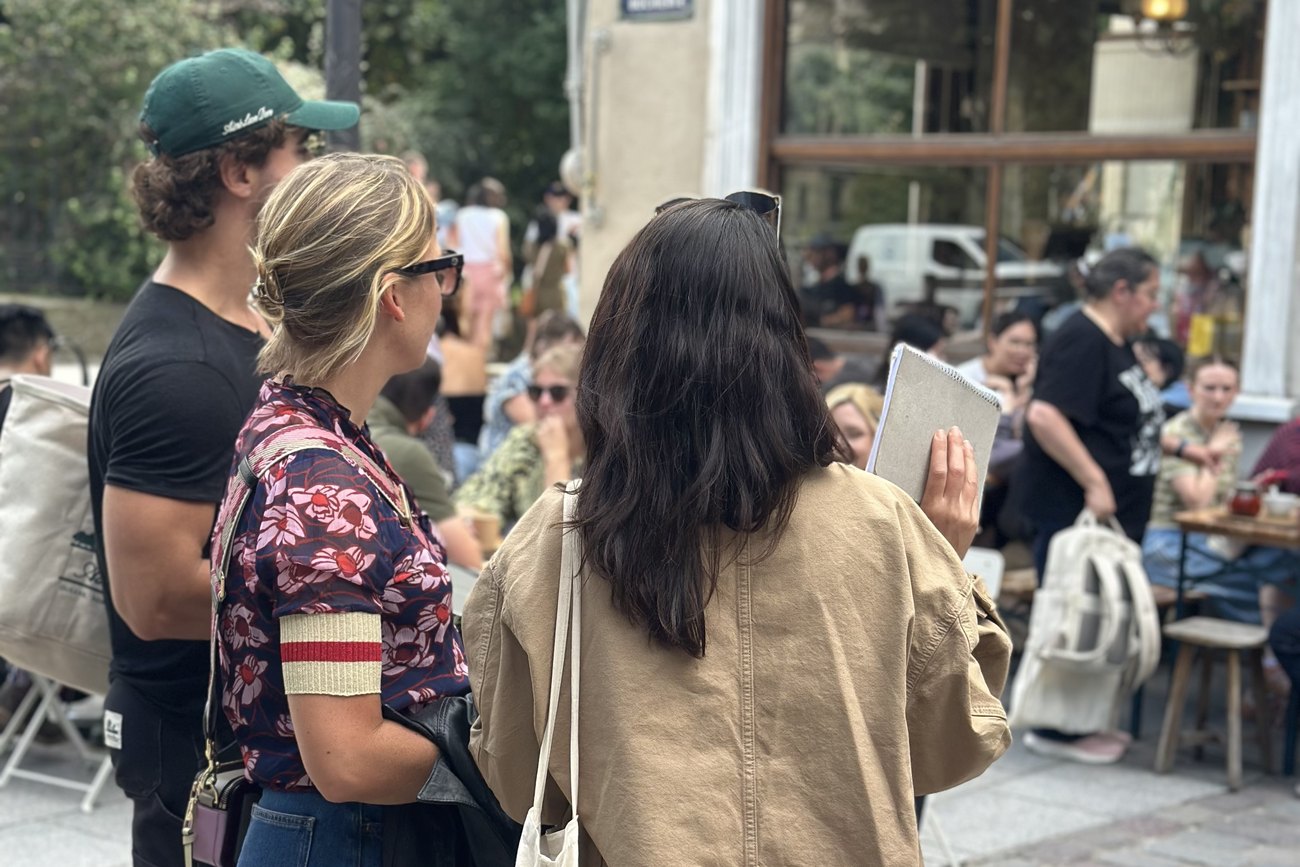
Learn how to choose a Paris guide who matches your curiosity, pace and taste, from food and fashion to art, history and neighbourhood life with confidence