How to Book Intimate Tours That Feel Personal
Learn how to book intimate tours in Paris and Rome, from choosing a thoughtful theme to confirming group size, timing, inclusions and personal touches.
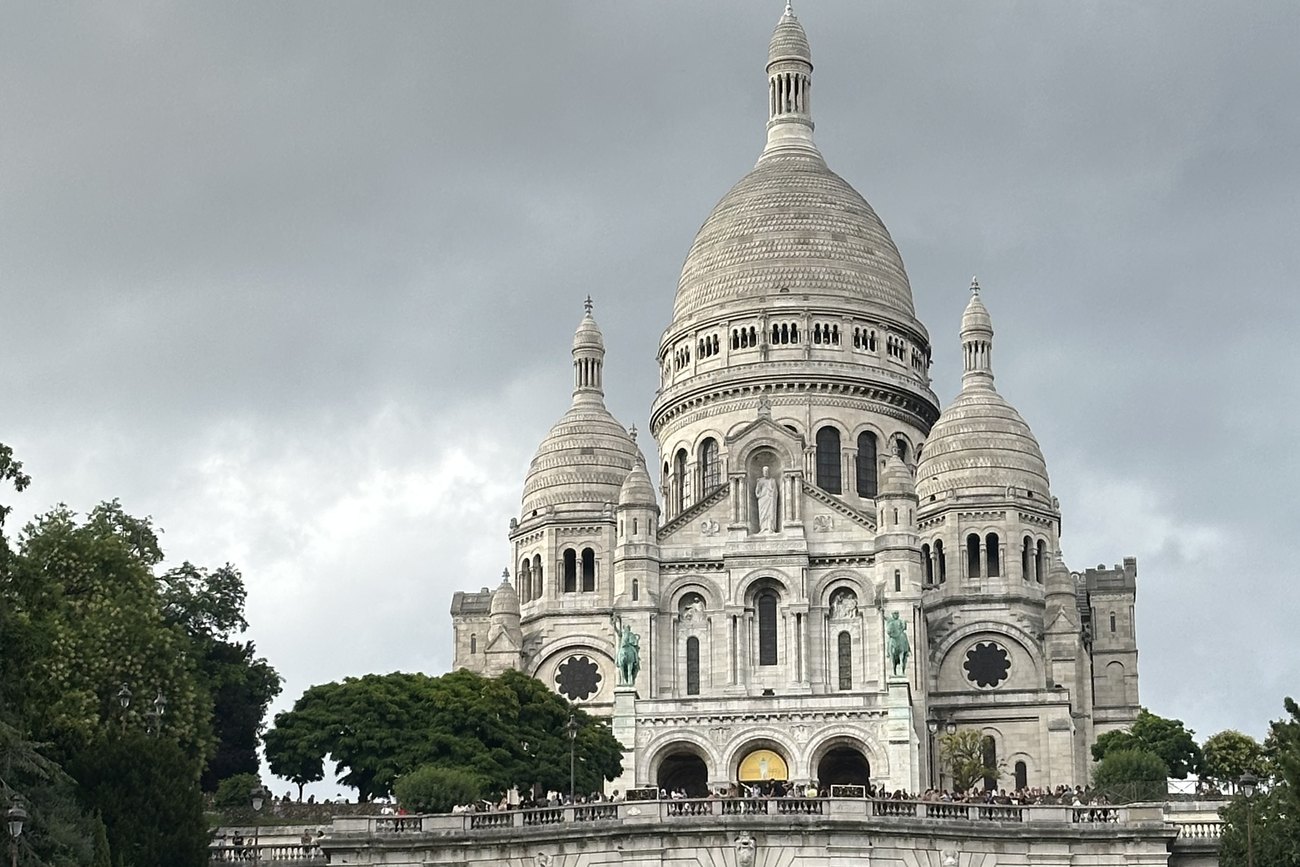
At 10am, the pavement outside a celebrated Paris monument can feel less like a holiday and more like a queue. Yet a few streets away, a café terrace is setting out its first chairs, a bookseller is opening the shutters, and the city is beginning to reveal its more private rhythms. That is where a small tour experience earns its place in an itinerary: not by adding more stops, but by changing the quality of attention you bring to each one.
For the fuller guide, see Are Paris Private Tours Worthwhile for You?.
For travellers who have already seen the postcard Paris or Rome, or simply have no wish to race through it, intimacy is not a luxury detail. It is the difference between being told a fact and following a thread of thought; between tasting something pleasant and understanding why it belongs to that neighbourhood, that season, that table. A well-shaped small group tour makes room for curiosity, conversation and the occasional beautiful detour.
Small does not merely mean fewer people walking behind a guide. It creates a different social atmosphere. Instead of being absorbed into a crowd with a fixed script and a raised umbrella to follow, you can ask the question that occurs to you in the moment. You can linger over a detail in a church façade, try on a vintage jacket without feeling hurried, or mention that you prefer mineral whites to rich reds and receive a recommendation that actually suits you.
In Paris and Rome, where every district holds several centuries at once, this responsiveness matters. A guide can adjust the conversation according to what has caught your attention. Perhaps it is Simone de Beauvoir and the Left Bank, the craft behind a particular cheese, the eccentricity of Roman gods, or the cut of a 1980s French blazer. The city becomes less of a performance delivered at you and more of a shared reading.
There is a practical advantage, too. Smaller groups move with greater ease through narrow streets, independent shops and intimate tasting rooms. They are more likely to fit around a bar counter for oysters and Champagne, to browse a vintage rail without overwhelming the owner, or to pause in the Imperial Forums without the experience becoming a choreography of headcounts.
Large sightseeing tours are built around certainty. They need firm timings, predictable routes and recognisable highlights that work for everyone, whatever their interests. There is real value in that model when time is short, budgets are tight, or a traveller wants a straightforward overview. But it can flatten the very things that make Paris and Rome so compelling: the contradictions, rituals and idiosyncrasies that sit just beyond the main avenue.
A small tour experience can hold both the essential sights and the life around them. In Rome, a mythology walk through the Imperial Forums is not only about identifying ruins. It is an invitation to see how stories of ambition, jealousy, power and fate were embedded in the city’s political heart. A guide can connect a fragment of stone to the personalities who once moved through that space, then allow a quiet moment for the scale of it to settle in.
In Paris, a cultural walk centred on philosophy and history can make an ordinary-looking street feel charged with argument and imagination. The pleasure is not in memorising dates for later. It is in noticing how ideas travelled through salons, cafés, publishing houses and university corridors, and how their traces remain in the atmosphere of a neighbourhood.
Food works in much the same way. A bite of cheese, a glass of wine or an oyster at the bar becomes memorable when it comes with a sense of place. Who makes it? Why is it served this way? What should you notice in its texture, aroma or finish? These are small acts of attention, but they turn consumption into participation.
The phrase “private-feeling” can sometimes suggest unnecessary fuss: rigid formality, overdone ceremony or an experience so polished that it loses spontaneity. The best intimate tours avoid that. They feel considered rather than staged.
Personal attention may be as simple as a guide remembering that you are celebrating an anniversary, steering a fashion-focused afternoon towards silhouettes you genuinely wear, or offering a local lunch suggestion that fits the rest of your day. It means the guide has enough space to read the group. Are you eager to discuss history in depth? Do you prefer to browse slowly? Would one exceptional stop mean more than five quick ones? Those decisions shape the mood of the experience.
For solo travellers, this format can be especially generous. A small group offers company without the feeling of being lost in a crowd. Conversation arrives naturally, but there is still space to look, listen and wander with your own thoughts. Couples and friends often value the same balance: an activity with texture and direction, rather than another afternoon spent negotiating what to do next.
A small group is not automatically the right choice for every hour of a trip. If you are trying to cover a huge distance in one afternoon, travelling with a large family, or looking for the lowest possible per-person cost, a bigger tour may be more practical. Major museums can also require their own strategy, particularly in peak season, when entry rules and crowd levels shape the visit more than group size does.
But for interest-led experiences, smaller tends to be better. Fashion shopping requires candour and room to browse. Wine and food tastings benefit from being able to speak with the people pouring and preparing. Cultural walks become richer when a guide can respond to questions rather than deliver a memorised monologue. Mythology comes alive when there is time to imagine, rather than simply photograph.
Duration matters as well. A focused two to two-and-a-half-hour experience is often enough to enter a neighbourhood or theme properly, without exhausting the rest of your day. It leaves room for a long lunch, an unplanned gallery visit, a rest at the hotel, or an evening reservation you have been anticipating for months. Depth does not always demand an entire day. Often, it asks only that you give one part of a city your full attention.
When choosing a tour, it helps to begin with the question you would most enjoy carrying home. You might want to understand Rome through its ancient myths, find Paris pieces that feel unlike anything in your wardrobe, or learn how to order wine with more confidence than a vague gesture at the list.
A theme gives a small tour its inner shape. It also makes the memory more durable. Years later, you may not recall every street name, but you will remember the story behind a temple, the first taste of a particular Champagne, the shop where you found the silk scarf, or the corner where a philosophical debate suddenly felt less abstract.
The most satisfying guided experiences have a clear point of view, but they do not attempt to control every minute. A rain shower may change the route. A shopkeeper may begin telling a story. An unexpected display in a window may lead to a conversation about Parisian style, or a view across Rome may make an ancient tale feel startlingly close.
That flexibility is not a lack of planning. It is the confidence to let the city contribute. When booking, look for clear duration, transparent per-person pricing and a sense of what is included, then allow the experience to breathe once you arrive. You are not buying an assembly line of attractions. You are making time for a local perspective.
The real appeal of a small tour experience is not exclusivity for its own sake. It is the chance to feel present enough for a city to become personal. Paris and Rome do not need to be conquered in a weekend, nor reduced to the landmarks you can tick off before dinner. They reward the traveller who notices the colour of a market stall, the changing light on old stone, the logic of a wine pairing, and the human stories behind a familiar façade.
At Rêverie Tours, that is the spirit behind intimate walks, tastings and style-led afternoons: thoughtful encounters that make room for your own taste while giving the city its full voice. Choose one experience that genuinely reflects your curiosity, then leave the next hour unplanned. Often, that is where the daydream begins.
Explore our Paris experiences: philosophy walks, vintage shopping, oysters and Champagne, and custom food and wine tours.
Explore Paris Tours
Learn how to book intimate tours in Paris and Rome, from choosing a thoughtful theme to confirming group size, timing, inclusions and personal touches.
Learn how to choose a Paris guide who matches your curiosity, pace and taste, from food and fashion to art, history and neighbourhood life with confidence