A Paris Pastry Walking Tour Worth Savouring
A Paris pastry walking tour turns croissants, chocolate and pâtisserie into a slower, more intimate way to understand the city's neighbourhoods on foot.
A good Paris pastry is rarely found by following a queue around the block. It is found at 8.15am, perhaps after coffee, in the pâtisserie a few streets from home, when someone steps in for a single croissant, a tart for Sunday lunch, or a box of petits gâteaux to take to friends. So, where do Parisians buy pastries? Usually close by - but they also make purposeful cross-city journeys when a particular mille-feuille, flan or seasonal creation is worth it.
For visitors, this is useful news. The most photographed address is not always the one that will make your afternoon feel most Parisian. A beautiful local pâtisserie, chosen with a little care and visited at the right moment, can offer the same thrill: butter on the fingers, a glossy fruit tart in its box, and the small pleasure of deciding which one to share.
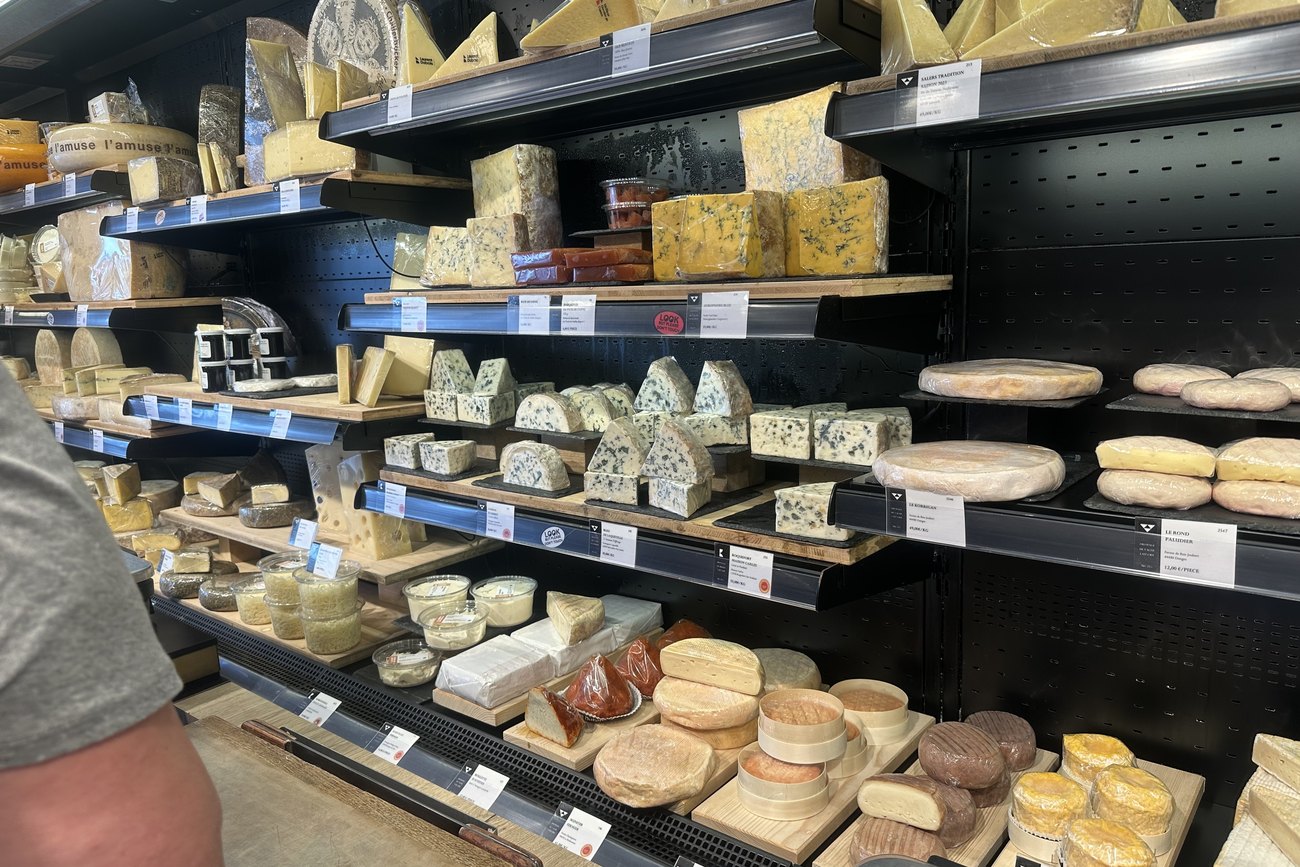
Paris is a city of habits. Many residents have a regular boulangerie for bread and viennoiseries, a preferred fromagerie for cheese, and a pâtisserie they trust for birthdays, dinner invitations and the occasional Thursday treat. The distinction matters. A boulangerie may make excellent croissants and pains au chocolat, while a dedicated pâtisserie is where you go for elaborate entremets, impeccable tarts and carefully composed individual desserts.
This does not mean Parisians never visit famous names. They do, especially for a signature item or a special occasion. But an address becomes genuinely local when it fits into the rhythm of a neighbourhood: someone knows to reserve a tart on Saturday, the staff recognise regulars, and the window changes according to the season rather than social media’s latest obsession.
For a visitor, choose a pâtisserie near where you are staying, then let your plans create the occasion. Pick up something small before a walk along the Canal Saint-Martin. Bring a box to a picnic in the Luxembourg Gardens. Order a cake if you are celebrating. Pastry tastes better when it belongs to a day rather than becoming another item to tick off.
There are, of course, certain destinations that have earned their place in a Paris itinerary. Think of them as individual styles rather than a definitive ranking. The best choice depends on whether you love classical technique, bright modern flavours, creamy comfort or a little theatre in the presentation.
Pierre Hermé remains a Paris institution for those who like pastry with precision and drama. The famous Ispahan, built around rose, raspberry and lychee, is not subtle in the conventional sense, but it is beautifully balanced. Macarons are the natural choice if you need something that travels well, though a seasonal tart or individual cake reveals more of the house’s imagination.
Yann Couvreur offers a lighter, contemporary expression, often with clean lines and a welcome focus on fruit. His mille-feuille is a fine choice for lovers of crisp pastry and vanilla-forward cream, while the seasonal displays make an elegant stop before dinner. These are pastries for lingering over, not hastily eating while walking.
Stohrer, on rue Montorgueil, brings a different pleasure: history you can eat. It is one of Paris’s oldest pâtisseries, with a shopfront that feels delightfully unchanged by passing fashions. Go for the baba au rhum, a classic associated with the house, or choose a traditional gâteau when you want to taste a more old-school Paris.
Des Gâteaux et du Pain in the 15th arrondissement is another address for exquisite craftsmanship. Its creations are restrained rather than showy, allowing exceptional ingredients and texture to do the work. This is the sort of place to visit if you appreciate a precisely layered tart, fine chocolate work and the quiet confidence of pastry made at a very high level.
Bontemps, in the Marais, is beloved for its sablé biscuits and delicately filled tarts. The setting has a salon-like charm, and its pastries feel almost domestic, if domestic baking came dressed in perfect crimped pastry and jewel-toned fruit. It is a lovely option for travellers drawn to the Marais’s galleries, vintage shops and slower side streets.
Do not overlook the pâtisseries attached to excellent neighbourhood boulangeries either. Parisian loyalty is often practical. If the croissant is exceptional, the baguette is still warm, and the apple tart looks right, there may be no reason to travel across town.
A Paris pastry window can be persuasive, but a few small observations help separate a promising stop from one that is merely pretty. Look for a focused selection rather than an enormous display. Freshness is more likely when the counter is edited, and a seasonal menu is generally a good sign. In spring, expect strawberries, rhubarb and lemon; summer brings apricots and stone fruit; autumn calls for figs, pears, hazelnut and chestnut; winter is the moment for citrus, chocolate and praline.
Notice the pace of the shop, too. A modest queue of locals at breakfast or early evening says more than a crowd taking photos at midday. If you see people buying bread alongside a few pastries, you may have found an address woven into daily life.
The visual details offer clues, but taste is personal. Some travellers want the shattering crispness of a traditional mille-feuille. Others are happiest with a generously filled cookie, a custardy flan pâtissier, or a simple chausson aux pommes. There is no virtue in ordering the most elaborate creation if what you really want is butter, apples and flaky pastry.
Croissants deserve their fame, but they belong to the morning and are technically viennoiseries, not pâtisserie. For an afternoon sweet stop, consider ordering one individual pastry each, then sharing a third. It is the most enjoyable way to compare flavours without turning the experience into a sugar marathon.
A tarte au citron should offer bright acidity, a fine buttery shell and restrained sweetness. A Paris-Brest combines choux pastry with hazelnut-praline cream and can be wonderfully rich, so it is ideal for sharing. The mille-feuille is a test of texture: caramelised, crisp layers should hold their own against the cream. For something humble and deeply satisfying, choose a flan. At its best, it has a burnished top, a tender base and a silky custard centre.
When you see fraisier in late spring, take notice. This strawberry cake, traditionally made with cream and genoise, has a celebratory quality that feels made for a long lunch. In January, galette des rois is the seasonal ritual: a buttery puff-pastry cake filled with almond cream, hiding a small fève inside. The person who finds it wears the paper crown. It is a simple tradition, and one of the city’s most charming.
For the best croissants, morning is non-negotiable. For pâtisserie, late morning and mid-afternoon are often ideal, before the post-work rush and while the full selection is still available. If you have your heart set on something specific for a weekend dinner, order ahead. Parisian shops can sell out of their most popular cakes, and a reservation is a sign of good sense, not over-planning.
Ask for your pastries à emporter if you are taking them away. Most will be placed carefully in a box, sometimes tied with ribbon for larger purchases. Carry that box level, especially on the Métro, and do not leave cream-based pastries in a warm room for hours. The city may invite you to wander, but pastry has its limits.
If you are unsure what to choose, a courteous question in English is perfectly acceptable in many central shops, though a warm bonjour and merci always set the right tone. Pointing is allowed. Indecision is also allowed. This is Paris, after all: a city that understands the seriousness of choosing dessert.
The most memorable sweet stop is often the one that changes the shape of your day. Perhaps it sends you down an unfamiliar street in the 9th, gives you a reason to pause near the Marché des Enfants Rouges, or becomes the final flourish after oysters and a glass of Champagne. On a private food walk with Rêverie Tours, a guide can help match the pastry to your tastes and the neighbourhood’s character, rather than simply steering you towards the loudest name.
Choose one place with intention, order what genuinely tempts you, and eat it somewhere beautiful before the box has had time to soften. That small, delicious pause is about as close as a visitor can come to living the Paris daydream.
Parisians usually buy pastries from their local neighbourhood pâtisserie or boulangerie-pâtisserie, choosing shops that are convenient, trusted and part of their everyday routine. For special occasions or particular pastries, they may travel across Paris to a renowned pâtisserie.
Some of the best-known pâtisseries in Paris include Pierre Hermé, Yann Couvreur, Stohrer, Bontemps and Des Gâteaux et du Pain. The right choice depends on what you enjoy, from traditional French pastries and classic cakes to modern pâtisserie, fruit tarts and praline desserts.
Beyond the classic croissant, try a mille-feuille, Paris-Brest, flan pâtissier, tarte au citron, baba au rhum, fraisier or chausson aux pommes. If you visit Paris during January, look for a galette des rois, while strawberries and fraisier are particularly associated with late spring.
For a more local experience, look for an independent pâtisserie or boulangerie-pâtisserie in the neighbourhood where you are staying. Rather than choosing solely by online popularity, look for seasonal pastries, a focused selection and a steady flow of local customers.
A boulangerie specialises in bread and traditionally baked goods such as baguettes and viennoiseries, while a pâtisserie specialises in more elaborate desserts and cakes. Many Parisian boulangeries also sell excellent pastries, so the distinction can overlap in practice.
Technically, no. Croissants are viennoiseries, alongside pain au chocolat, brioche and other enriched or laminated breakfast pastries. Pâtisserie generally refers to more elaborate cakes, tarts and desserts.
Paris has many famous pastry houses rather than one universally recognised "best" pâtisserie. Pierre Hermé, Stohrer, Yann Couvreur, Bontemps and other established houses are well known for different styles and signature creations.
Excellent croissants can be found throughout Paris, including at neighbourhood boulangeries as well as famous pastry houses. For the freshest experience, visit in the morning when croissants and other viennoiseries are being sold at their peak.
Late morning or mid-afternoon is often a good time to visit a pâtisserie because the selection is usually still substantial and the shop may be quieter than during breakfast or the after-work period. For croissants, however, morning is the ideal time.
Yes. Popular individual pastries, cakes and seasonal specialities can sell out, particularly at busy pâtisseries and on weekends. If you want a particular cake for a dinner or celebration, it is sensible to order ahead.
Try a flan pâtissier, chausson aux pommes or classic fruit tart. These can offer buttery pastry, fruit, custard and texture without relying solely on intense sweetness. A tarte au citron is another good option if you enjoy acidity and citrus.
A mille-feuille is a classic French pastry made with layers of flaky puff pastry and pastry cream, traditionally finished with icing or caramelised pastry. It is one of the best pastries to try if you want to appreciate the importance of texture in French pâtisserie.
A Paris-Brest is a classic French pastry made from choux pastry filled with praline cream, traditionally flavoured with hazelnut and almond. It was created in honour of the Paris-Brest bicycle race and is one of France's great classic pastries.
A flan pâtissier, also called flan parisien, is a French custard tart made with a pastry base and a thick, silky vanilla custard filling. It is one of the more understated pastries to look for in Paris and is particularly popular in traditional bakeries.
Galette des rois is a traditional French Epiphany pastry made from puff pastry and almond cream, with a small fève hidden inside. It is traditionally eaten around 6 January, although Parisian pâtisseries sell it throughout much of January.
Parisian pâtisseries change their offerings throughout the year. Look for strawberry and rhubarb pastries in spring, apricot and other stone fruits in summer, fig, pear, hazelnut and chestnut in autumn, and citrus, chocolate and praline creations in winter.
Some pâtisseries have seating or salon de thé areas, while others are primarily takeaway shops. If you want to sit down with your pastry, check whether the shop has a dedicated tea room or café area before visiting.
Start with a "Bonjour", then ask for what you would like. If you are taking pastries away, you can say "à emporter". Finish with "merci". In busy shops, it is also perfectly acceptable to point to the pastry you want if you do not know its name.
Yes, pastries are commonly purchased to take home or elsewhere in Paris. Ask for your pastries à emporter and keep the box level while travelling. Cream-filled and delicate pastries are best eaten relatively soon rather than carried around for hours.
A pastry can become part of a larger Paris experience. Take your box to a nearby garden, square or quiet street, or enjoy it as part of a food-focused walk through neighbourhoods such as Le Marais, Saint-Germain-des-Prés, Montmartre or the Latin Quarter.
Le Marais, Saint-Germain-des-Prés, the Latin Quarter, Montmartre, the 9th arrondissement and the 15th arrondissement all offer opportunities to discover both established pâtisseries and neighbourhood bakeries. The best area depends on whether you are looking for famous pastry houses, traditional boulangeries or quieter local addresses.
Both offer different experiences. A famous pâtisserie can be worthwhile for a signature creation or a particular style of pastry, while a neighbourhood bakery can give you a glimpse of the everyday food culture of Paris. If you have several days in the city, doing both is a good way to experience the contrast.
Yes. A food tour can be a useful way to discover Parisian pâtisseries while learning about French food culture, neighbourhoods and seasonal specialities. Rêverie Tours offers private food experiences in Paris that can be tailored around your interests.
Explore our Paris experiences: philosophy walks, vintage shopping, oysters and Champagne, and custom food and wine tours.
Explore Paris Tours
A Paris pastry walking tour turns croissants, chocolate and pâtisserie into a slower, more intimate way to understand the city's neighbourhoods on foot.
Use this Paris neighbourhood walking guide to wander six characterful quarters, with smart pacing, food stops and the stories that make Paris linger on.