French Market Etiquette Guide for Paris Mornings
A French market etiquette guide for Paris, with graceful advice on greetings, produce, cheese and pacing your visit to Marché d’Aligre with calm assurance.
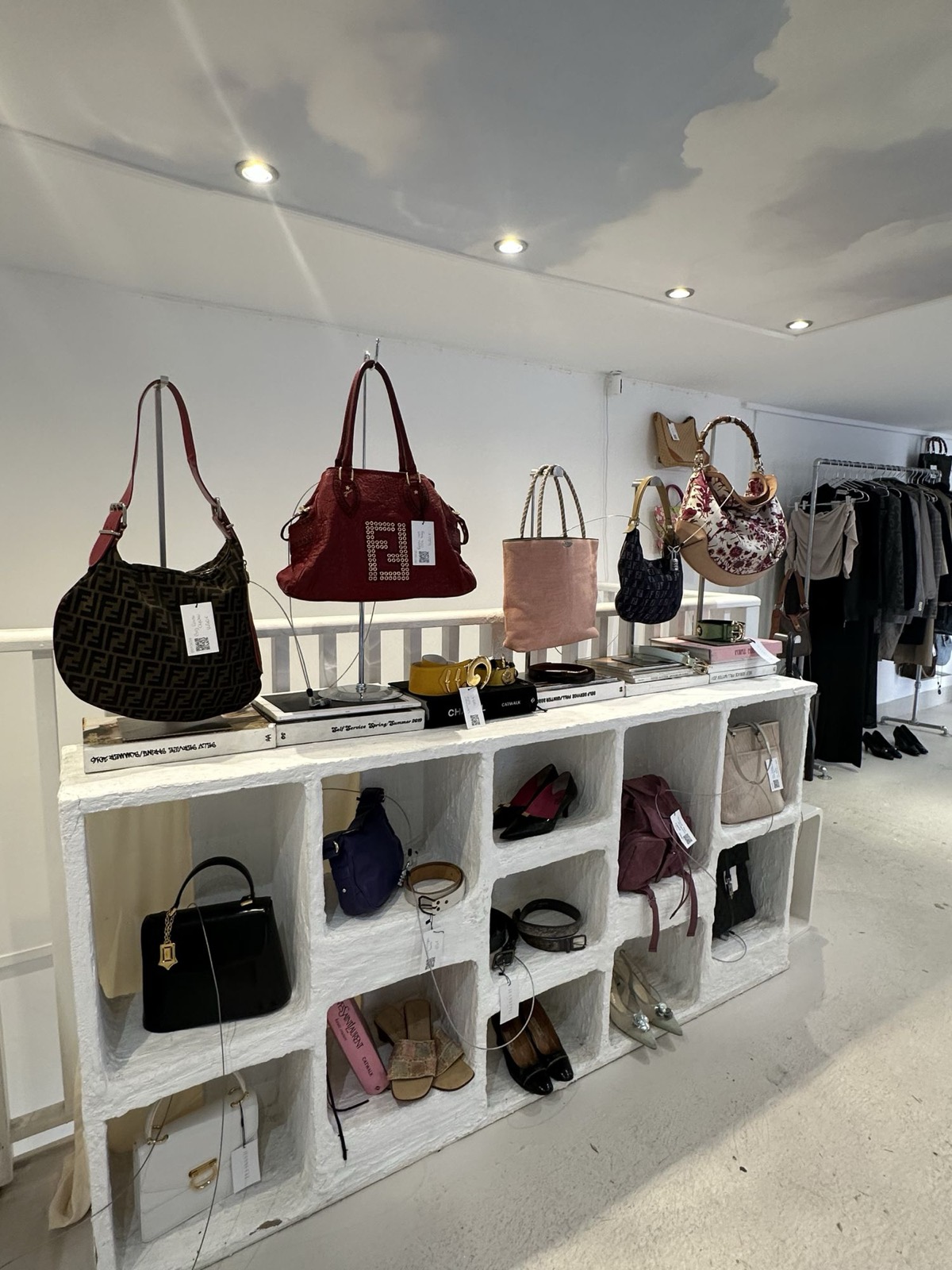
A beautiful archive piece changes the rhythm of a Paris afternoon. You stop looking at a rail of clothing as merchandise and begin reading it as evidence: a precise shoulder from the 1980s, an improbable silk print, a clasp that has survived several decades and still catches the light. This designer archive guide is for travellers who want that feeling, but would also like to come home with a piece they will genuinely wear.
Designer archive shopping is not a race to find the loudest logo or the most recognisable runway reference. It is a slower, more personal pursuit. In Paris, where fashion history lives in museum collections, ateliers, flea-market stalls and discreet vintage addresses, the best finds often make sense because of how they sit within your own wardrobe, rather than how loudly they announce themselves.
The phrase is used generously, so it helps to begin with a little precision. A designer archive piece generally refers to an earlier garment, accessory or piece of jewellery from an established fashion house or influential designer, valued for its design, provenance, rarity or place in a particular creative period. It might be a sculptural 1990s jacket, a 1970s silk scarf, a 2000s handbag or a more obscure piece from a collection that has since become newly relevant.
Not every vintage designer item is archive, and that distinction is useful. A well-made pre-loved coat can be an excellent purchase without carrying historical significance. Conversely, a true archive garment can be fascinating but impractical: delicate, difficult to alter, or best appreciated as a collector’s piece. The right choice depends on whether you are building a wearable wardrobe, collecting fashion history, or somewhere in between.
Paris is particularly compelling because the city offers both the mythology and the material. You may find pieces connected to a house’s defining era, but you will also see the quieter work that gives an archive its texture: unusual tailoring, exceptional buttons, hand-finished linings and textiles that have aged into their own character.
Before you step into a boutique, decide what kind of memory you want to bring home. A specific house or decade can be a useful starting point, though it should not become a blindfold. Perhaps you are drawn to the romance of 1970s Parisian silk, the clean geometry of late-1990s minimalism, or the drama of an 1980s evening jacket. Give yourself a few visual references, then stay open to the piece that feels unexpectedly right.
It also helps to consider your real life. A floor-length gown may be exquisite, but will it leave its garment bag after the trip? A softly structured blazer, a leather belt or a striking scarf often has more room to become part of your everyday ritual. The most satisfying archive purchases are not costumes. They add a note of history to what you already love wearing.
A label matters, but it is not the whole story. Turn the garment inside out. Look at the quality of the seams, the fabric composition, the hardware, the lining and the way a print lines up at a closure. Older pieces may show hand-finishing or construction details that are less common in contemporary ready-to-wear.
Then assess condition without pretending age does not exist. Light wear can be part of the charm, especially in leather or denim. Structural issues deserve more caution. Check for thinning silk, underarm marks, moth holes, broken zips, dry leather, loose embellishment and odour. Ask whether alterations or repairs have been made, and whether any original elements are missing.
Condition should affect the price, but it need not end the conversation. A missing button on a jacket with otherwise excellent construction can be repaired. A fragile fabric at the point of strain is another matter. When in doubt, imagine wearing the piece on a normal dinner out, not simply admiring it under boutique lighting.
A thoughtful seller should be able to explain what they know about a piece: its estimated date, label variation, origin, condition and any restoration. Documentation, original receipts, dust bags and collection references can add confidence, particularly for handbags and jewellery, but their absence does not automatically mean an item is suspect.
Authenticity is rarely confirmed by one detail alone. It is the accumulation of clues: correct logo treatment for the era, appropriate construction, credible materials, accurate serial markings where relevant, and a seller willing to answer clear questions. If an item is presented as a rare runway treasure yet the story is vague, the price impossibly low, or the finishing feels poor, let it go. Paris has plenty of temptation. You do not need to force a love affair.
Different corners of the city reward different moods. The Marais offers fashion energy and an easy day of browsing, with vintage shops, independent designers and cafés close enough to make the search feel leisurely. Saint-Germain-des-Prés carries a more polished, Left Bank atmosphere, ideal if your taste runs towards elegant accessories, silk and beautifully cut classics. Around the flea markets, the pleasure is more archaeological: less edited, more unpredictable, and best approached with time, comfortable shoes and a willingness to sift.
The trade-off is simple. Highly curated boutiques can save time and may offer stronger authentication and restoration, but prices often reflect that care. Markets and less polished second-hand addresses can hold remarkable surprises, yet demand a sharper eye and more patience. Neither is inherently better. Your ideal afternoon may involve one considered boutique appointment followed by an unplanned detour through rails of vintage where the only brief is curiosity.
For travellers who prefer a more focused route, a personalised fashion walk can make the city feel less overwhelming. Rêverie Tours can shape a vintage-fashion shopping experience around your preferred houses, budget, sizing and appetite for discovery, leaving room for the serendipity that makes an archive find feel like yours alone.
Sizing is one of archive fashion’s little deceptions. A vintage French size on the label may bear limited resemblance to what you wear now, and the proportions of past decades can be dramatically different. Try pieces on whenever possible. Move your arms, sit down, fasten the closure and notice where the garment wants to rest on your body.
A skilled tailor can shorten a hem, refine a waist or replace a lining, but major alterations may compromise the design and resale value of a significant piece. Be particularly cautious with shoulders, armholes, intricate draping and prints that would be disrupted by resizing. If the garment almost works, ask whether you love it enough to accept its limitations. Sometimes a slightly unconventional fit is exactly what gives an archive piece its poetry.
Your purchase deserves a little planning before it joins the rest of your luggage. Ask for a protective cover for delicate garments, keep jewellery and hardware wrapped separately, and carry smaller valuables with you rather than packing them in checked baggage. Avoid crushing silk, beading or structured hats beneath shoes and souvenirs.
Once home, resist the urge to dry-clean everything immediately. Seek advice appropriate to the fabric and finish, especially for leather, sequins, antique textiles and embellished pieces. Store garments away from direct light, on suitable hangers, with breathable protection rather than plastic. A piece that has lasted thirty years has already proved its resilience. Your care is simply the next chapter.
The loveliest archive purchase is not always the rarest one. It is the garment or accessory that makes you remember the light on a Paris footpath, the first glance in a mirror, and the quietly thrilling sense that fashion can hold a place in time while still moving with you.
Join our Vintage Shopping Tour: two personalised hours through handpicked Paris boutiques and designer archives, €65 per person.
See the Vintage Shopping Tour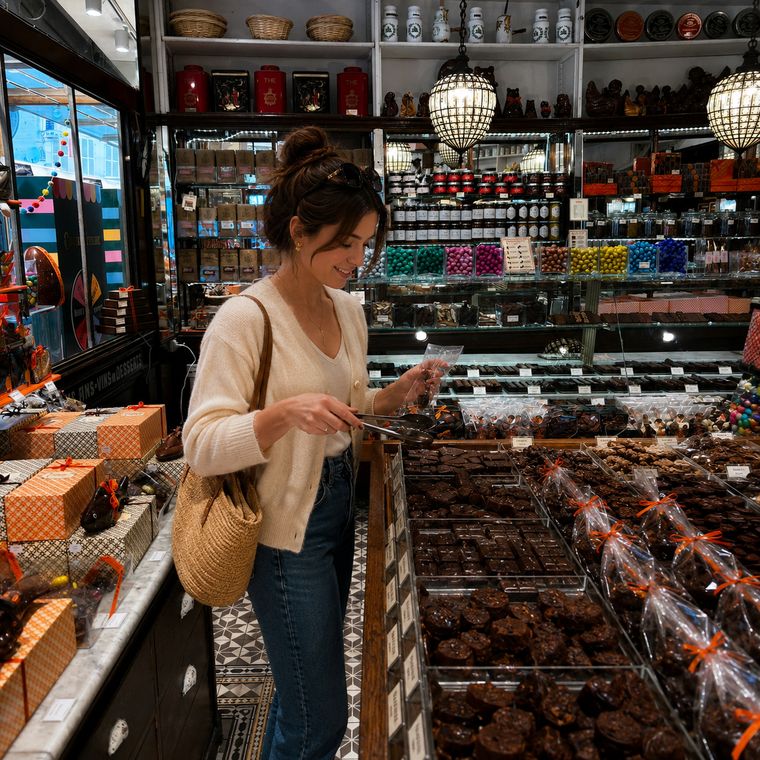
A French market etiquette guide for Paris, with graceful advice on greetings, produce, cheese and pacing your visit to Marché d’Aligre with calm assurance.
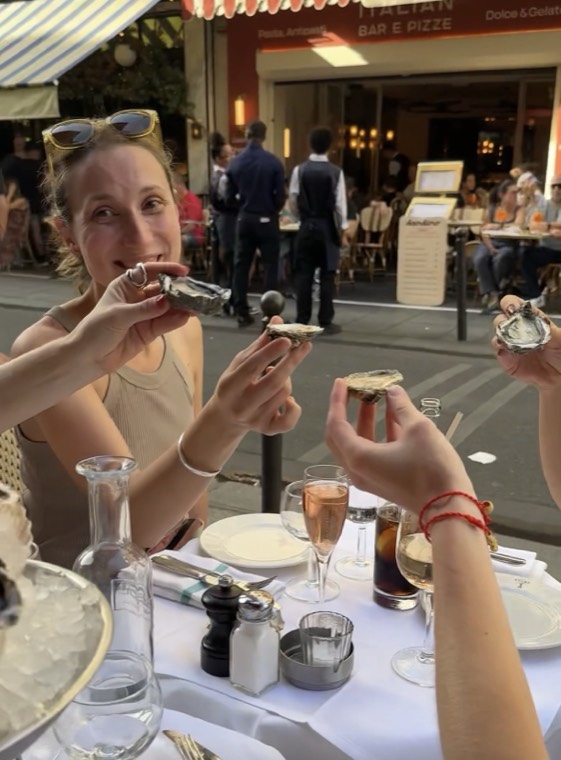
Plan a Champagne tasting in Paris with confidence: learn what to notice in the glass, which styles to try, and how to savour each pour with a local guide.