A plate of oysters in Paris can feel like a small, glistening map of France. French oyster culture is not simply about ordering a dozen shells beside a glass of white wine. It is a coastal craft, shaped by tides, water temperature, farming methods and the quiet pleasure of taking time over an aperitif. For travellers used to rushing between monuments, it offers a more intimate way to meet the country: one briny bite at a time.
For the fuller guide, see Paris Oyster Tasting Tour for Curious Palates.
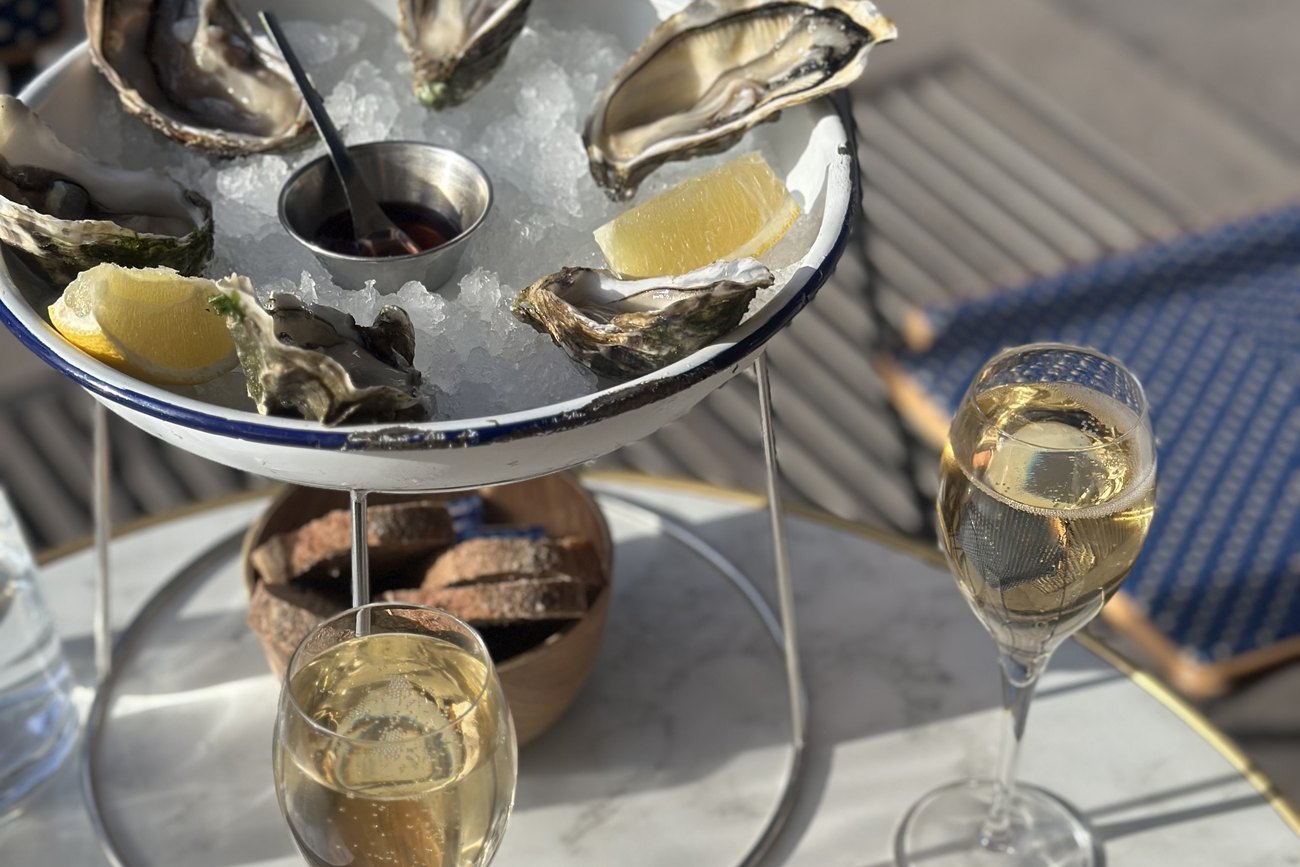
In a good Parisian seafood bar, the display is part theatre, part geography lesson. Shells arrive tagged by their origin, often arranged over crushed ice with the care of jewellery in a case. The ritual asks very little of you. Sit close, notice the provenance, taste before reaching for lemon, and let the city slow to the rhythm of the plate.
What French oyster culture tastes like
French oysters are generally described by their provenance rather than a generic flavour profile, because place changes everything. Water salinity, currents, plankton and the length of time an oyster spends maturing all leave a distinct impression. One may taste clean and oceanic, another sweet and buttery, another sharply mineral with a lingering hint of seaweed.
The most commonly eaten oyster in France is the Pacific oyster, or Crassostrea gigas. Its presence is now so woven into French food culture that many visitors assume it is native. The rarer European flat oyster, Ostrea edulis, is often associated with Belon in Brittany and prized for its rounded shell, firmer texture and unusually complex, sometimes hazelnut-like finish.
The word huître simply means oyster, but the language on a menu can tell a richer story. Huîtres de pleine mer have been raised directly in coastal waters. Fines de claire and spéciales de claire spend time in shallow clay ponds called claires, particularly around Marennes-Oléron on France’s Atlantic coast. This finishing period can soften the salinity and develop a fuller, more vegetal character. A spéciale is generally fleshier than a fine, though the pleasure of either depends on the producer and the season.
Then there is size. French oysters are numbered in reverse: No. 5 is small, while No. 0 is dramatically large. No. 3 is the classic choice for a first tasting - substantial enough to show character without becoming a meal in itself. If you are curious, order a mixed selection and taste from lightest to most intense. It is one of the most pleasurable forms of edible comparison.
The coasts behind the shell
France’s oyster country stretches across several distinct shorelines. Normandy produces oysters often admired for their bright salinity and firm bite, with names such as Utah Beach, Isigny and Cancale appearing on menus. Cancale, on the edge of Brittany, has a particularly storied relationship with the shellfish. Its bay has supplied oysters for centuries, and its waterfront remains an evocative place to see oyster farming tied visibly to the tide.
Brittany’s colder, energetic waters can yield oysters with a clear, mineral profile. Further south, the Marennes-Oléron basin is famous for its claires, where oysters are refined after their initial growth at sea. Some may take on a faint green hue at the gills from a microscopic algae - a natural detail, not a sign of colouring.
Arcachon Bay, near Bordeaux, has its own Atlantic identity: often balanced, fresh and gently sweet. On the Mediterranean, the Étang de Thau near Sète produces oysters in a different setting altogether. Suspended from ropes in a sheltered lagoon, they can be softer and more delicate, carrying less of the Atlantic’s assertive iodine.
There is no universal hierarchy among these regions. A salty Normandy oyster may be exactly right with a crisp Muscadet on a bright afternoon; a creamy spéciale de claire may better suit someone who prefers roundness over brine. The most rewarding order is not necessarily the most expensive one. It is the one that suits the way you like to eat.
French oyster culture is also a Paris ritual
Paris is far from the sea, but its relationship with oysters is immediate and deeply established. Since the nineteenth century, railways have brought fresh shellfish into the capital quickly enough for brasseries, fishmongers and dedicated seafood counters to make them part of city life. Today, a Parisian plateau de fruits de mer still feels both festive and wonderfully unhurried.
Oysters are traditionally associated with the cooler months and with Christmas and New Year celebrations, when French families queue at fish stalls for crates to take home. You may hear the old advice to eat them only in months containing the letter R. It emerged when warm-weather transport and refrigeration made spoilage a genuine danger, and when oysters’ summer reproductive cycle could make them softer. Modern cold-chain handling and farming mean oysters are available year-round, but seasonality remains relevant. Many people still favour the colder months for a firmer, more concentrated oyster.
At the table, the French approach is refreshingly unshowy. Oysters may arrive with rye bread, butter, lemon wedges and a small dish of shallot vinegar, known as mignonette. Use the little fork to loosen the flesh if needed, lift the shell to your lips and taste the oyster’s own liquor first. Lemon and mignonette should sharpen, not conceal. If an oyster is already beautifully balanced, it may need nothing at all.
A dry Muscadet Sèvre et Maine is the classic partner, its clean acidity echoing the oyster’s freshness. Chablis can bring more mineral tension; Champagne turns the moment celebratory, especially with a platter shared between two. The trade-off is simple: a highly aromatic or heavily oaked wine can drown out a delicate oyster. When in doubt, choose something dry, bright and restrained.
How to order with confidence
You do not need a specialist vocabulary to enjoy oysters in France, but a few choices will help you avoid ordering by guesswork. Start with six if oysters are an opening act, or a dozen if they are the point of the stop. Ask for No. 3 if you want the familiar middle size. If the menu offers several origins, choose two contrasting regions rather than twelve of the same kind.
A thoughtful server or fishmonger may guide you towards a briny, firm oyster or a sweeter, fleshier one. Tell them what you usually enjoy rather than trying to sound expert. “I like something quite salty” is more useful than naming a famous appellation at random.
Freshness is non-negotiable. A live oyster should be served cold, closed before shucking, and smell of clean sea air rather than anything sour or aggressively fishy. Once opened, it should sit in clear liquor. If you have a shellfish allergy, are pregnant, immunocompromised, or have been advised to avoid raw seafood, choose a cooked dish instead. A warm gratin or oyster briefly poached in champagne sauce can be delicious, but it is a different experience from tasting the coast in its purest form.
A more considered way to taste Paris
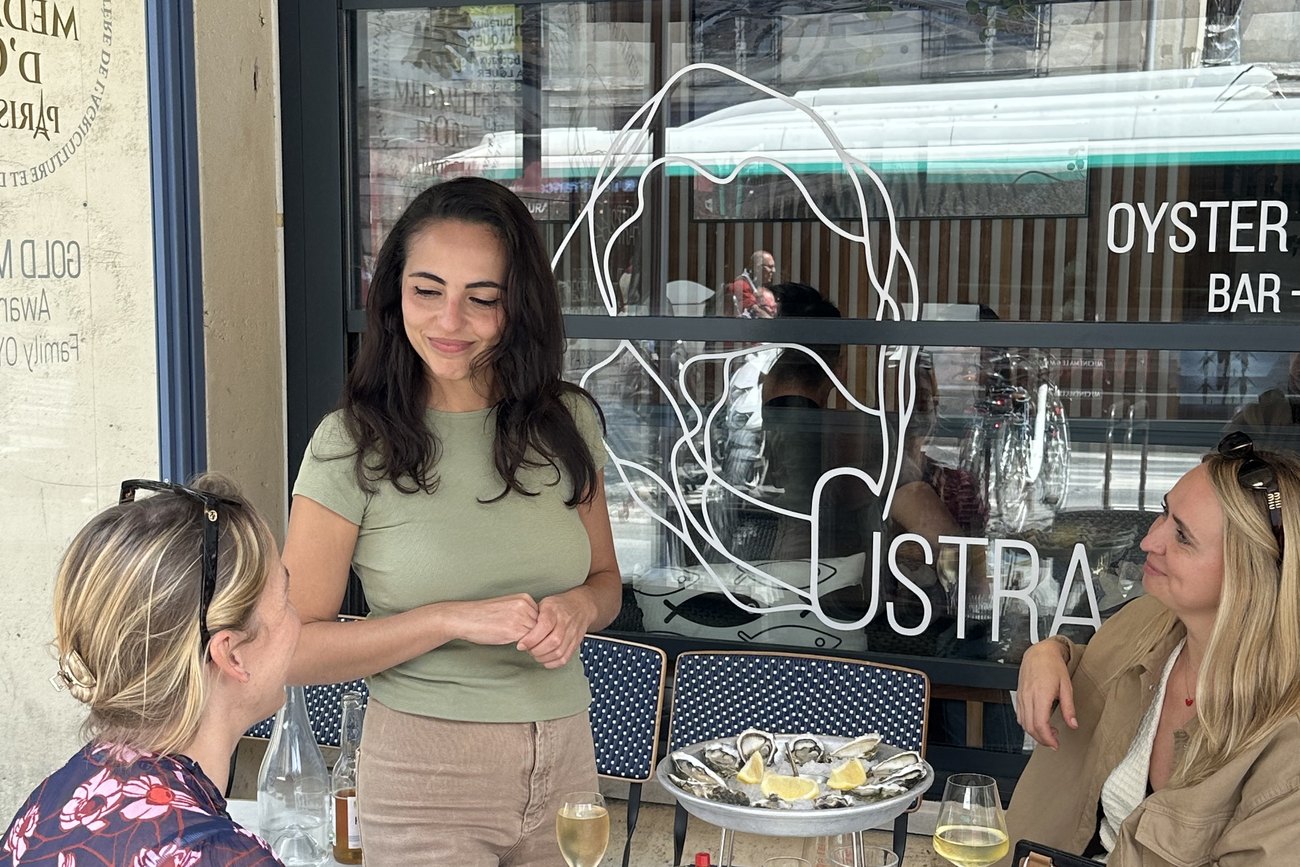
The best oyster stops are rarely about ticking off a celebrated address. They are about choosing a moment: a late afternoon at a zinc counter, a quiet table after a walk through the Left Bank, or the first glass of wine before dinner in a neighbourhood you have allowed yourself time to wander. Look for menus that name producers and growing areas, and for staff who can speak about what has arrived that day.
For travellers who want the story as well as the shell, an oyster and wine tasting can turn that short pause into a small education in French appetite. Rêverie Tours approaches it as a conversation between region, season and personal taste, leaving room for the pleasure of finding your own favourite rather than prescribing one.
Order a few different oysters, take them slowly, and make a mental note of the one that stays with you. Later, when Paris has become a memory of rain-polished streets, candlelit tables and a particular bottle of wine, that clean flash of the French coast may be the detail you remember most clearly.