French Market Etiquette Guide for Paris Mornings
A French market etiquette guide for Paris, with graceful advice on greetings, produce, cheese and pacing your visit to Marché d’Aligre with calm assurance.
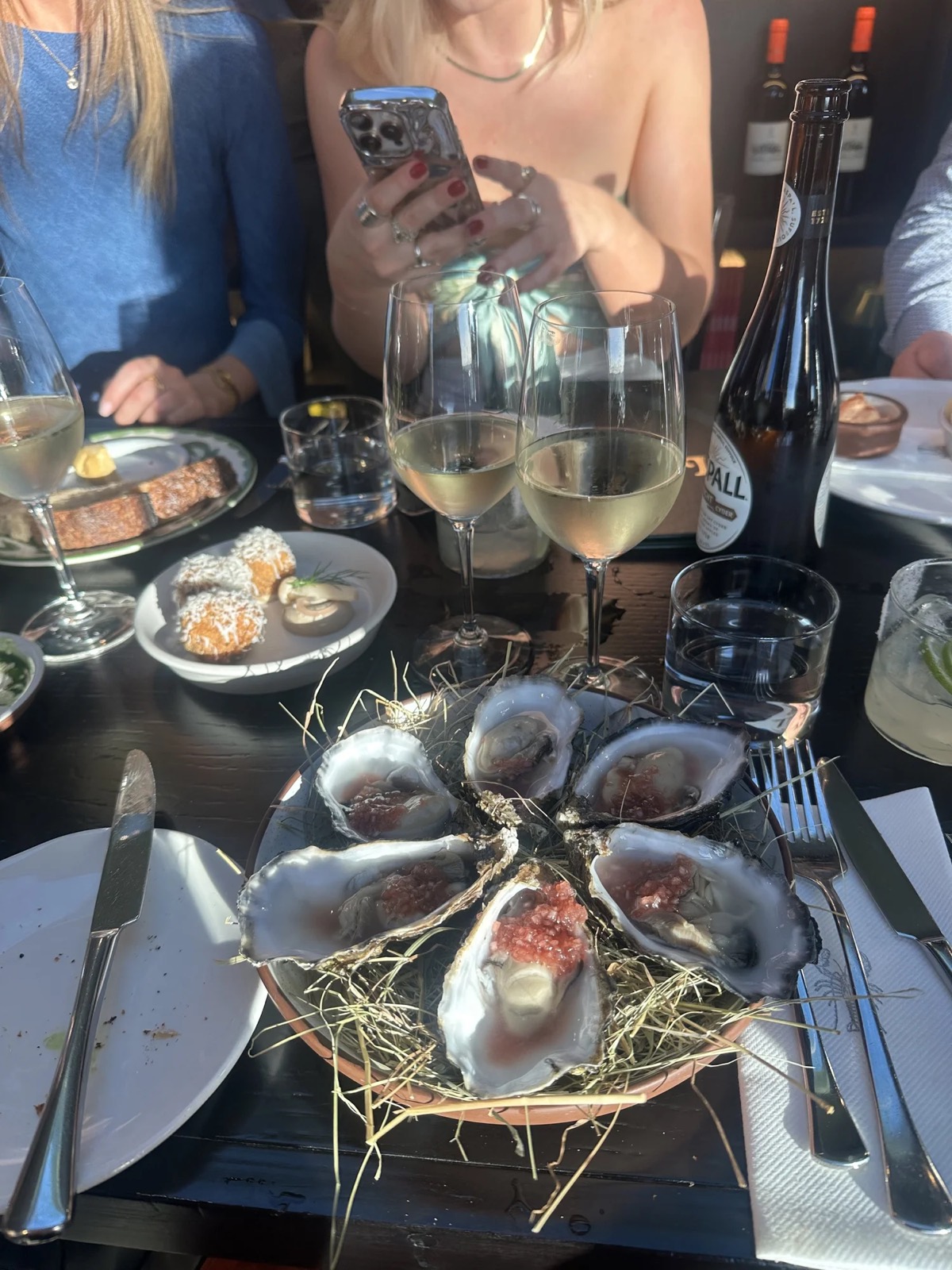
A wine list in Paris can feel like a map with its own private language: village names, family domaines, unfamiliar grape varieties, a year printed quietly beneath the producer’s name. Yet French wine regions are not a test of knowledge. They are an invitation to notice place - the chalk beneath a Champagne vineyard, morning mist along the Loire, a warm southern slope above the Rhône.
For travellers who want more than a quick glass beside a landmark, learning a little of this geography changes the experience. The wine becomes a way into France’s landscapes, working rhythms and meals. A crisp white can make more sense beside oysters than it ever could in isolation; a light red becomes memorable when it arrives with a plate of charcuterie on a softly lit Paris street.
France treats wine as an expression of origin. The useful word to know is terroir: not simply soil, but the conversation between ground, climate, aspect, grape variety and human decisions in the vineyard and cellar. Two bottles made from Pinot Noir can taste remarkably different because one comes from a cool limestone slope in Burgundy and the other from granite-rich Beaujolais.
This is also why French labels often foreground a place rather than a grape. In many parts of Australia, ordering a Shiraz or Chardonnay gives you a clear starting point. In France, you may order Sancerre, Chablis or Saint-Émilion. Knowing the regional style lets you read the label with ease, without turning dinner into homework.
Appellation rules shape the picture, too. They may specify permitted grapes, vineyard boundaries, yields and production methods. These rules protect local identity, though they can also make French wine seem more formal than it is. The best approach is to treat the label as a clue, then ask the person pouring your wine what they love about it.
Champagne lies northeast of Paris and is the natural first stop for anyone who associates French wine with celebration. True Champagne is sparkling wine from this defined region, most often made from Chardonnay, Pinot Noir and Meunier. Its hallmark is tension: fine bubbles, citrus and apple freshness, often with notes of brioche or toasted hazelnut as it ages.
A non-vintage Champagne is usually the house style, blended from more than one year for consistency. A vintage bottle reflects a single harvest and can be more distinctive, though not automatically better. For an oyster tasting, look for a dry Brut with energy and salinity. For a more contemplative glass before dinner, a Blanc de Blancs, made from white Chardonnay grapes, often has a particularly lifted, mineral character.
Burgundy is one of France’s most compelling regions and one of its least simple. Its greatest wines are usually Chardonnay or Pinot Noir, but the name of the village matters enormously. Chablis, in northern Burgundy, gives Chardonnay a steely, citrus-led profile that feels beautiful with seafood. Further south, the Côte de Beaune often brings more texture, stone fruit and subtle oak.
For red wine, think of Pinot Noir as a study in perfume rather than power. Wines from villages such as Gevrey-Chambertin, Volnay and Pommard can vary from floral and silky to earthy and structured. Prices can rise quickly in famous appellations, so it is worth asking for a lesser-known village or a thoughtful regional Burgundy. A modest bottle chosen well can be more pleasurable than an expensive name chosen for status.
The Loire is a long, varied river valley rather than a single wine style. It is one of the most rewarding regions for lunch, aperitifs and food-focused travellers because its wines tend to be vivid, balanced and exceptionally versatile at the table.
Sancerre and Pouilly-Fumé are Sauvignon Blanc country. Expect citrus, herbs and flinty freshness, often excellent with goat’s cheese, oysters or simply a sunny afternoon. Vouvray, made from Chenin Blanc, may be dry, off-dry or sparkling, with apple, quince and honeyed notes that deepen with age. Red-wine drinkers should seek Cabernet Franc from Chinon or Saumur-Champigny: savoury, red-fruited wines with a leafy freshness that suits duck, mushrooms and relaxed bistro cooking.
Bordeaux carries an aura of grand châteaux and serious cellars, but it need not be reserved for formal occasions. The region is broadly divided by the Gironde estuary. On the Left Bank, Cabernet Sauvignon often leads, bringing cassis, cedar and firmer tannins. On the Right Bank, Merlot is more prominent, often producing plummy, generous wines with softer edges.
Saint-Émilion and Pomerol are famous Right Bank names, while Médoc communes such as Margaux and Pauillac sit on the Left. For a traveller ordering in a Paris wine bar, the useful question is not whether Bordeaux is prestigious, but whether you want something mature and earthy, or youthful and structured. A good host can guide you towards a smaller appellation or a producer whose style suits the food and your budget.
The Rhône changes character as it travels south. In the Northern Rhône, Syrah is central, yielding red wines with blackberry, violet, olive and cracked-pepper notes. Côte-Rôtie and Hermitage are celebrated, but Crozes-Hermitage can offer a more accessible introduction.
The Southern Rhône is warmer and more generous. Grenache frequently takes the lead, often joined by Syrah and Mourvèdre. Châteauneuf-du-Pape is the famous name, but Gigondas, Vacqueyras and Côtes du Rhône can be wonderfully satisfying with roast meats, hearty vegetables and dishes scented with herbs. These wines are usually fuller than Burgundy Pinot Noir, so they suit evenings when you want something with breadth and warmth.
Alsace, close to the German border, makes expressive whites from Riesling, Gewürztraminer and Pinot Gris. Riesling is often dry and incisive, while Gewürztraminer can be aromatic with lychee, rose and spice. Both can be delightful with fragrant or gently spicy food.
Provence is more than pale rosé, though its rosés are deservedly beloved in warm weather. They are dry, delicate and quietly savoury, making them easy companions for Mediterranean dishes. Beaujolais, just south of Burgundy, is the answer when you want a red that is cheerful rather than heavy. Made from Gamay, it brings juicy cherry fruit, floral lift and an easy affinity with charcuterie.
Start with the occasion. For oysters, Champagne, Muscadet from the Loire or Chablis will usually feel more natural than a bold red. For a cheese board, the answer depends on the cheese: goat’s cheese loves Loire Sauvignon Blanc, while a soft, creamy cheese may welcome a textured Burgundy Chardonnay. There is no prize for ordering the most complicated bottle.
Then give the wine a moment. Notice its scent before the first sip, and take a second taste after a bite of food. Acidity may become brighter, tannins softer, fruit more apparent. This small pause is where wine turns from a label into a memory.
In Paris, a tasting can be particularly revealing because the city gathers France’s wine cultures in one place. A local guide can help turn the choices on a chalkboard into a story of regions and pairings, whether you are lingering over oysters and Champagne or choosing a bottle for dinner. Rêverie Tours approaches these moments as part of the city’s larger pleasure: not a lecture, but a chance to feel more at home at the table.
French wine rewards curiosity, not certainty. Order the glass that suits the meal, ask where it comes from, and let the answer lead you somewhere beyond the map.
Join our Oyster, Wine & Champagne Tasting: two hours and three oyster bars in central Paris, €120 per person.
See the Oyster & Champagne Tasting
A French market etiquette guide for Paris, with graceful advice on greetings, produce, cheese and pacing your visit to Marché d’Aligre with calm assurance.
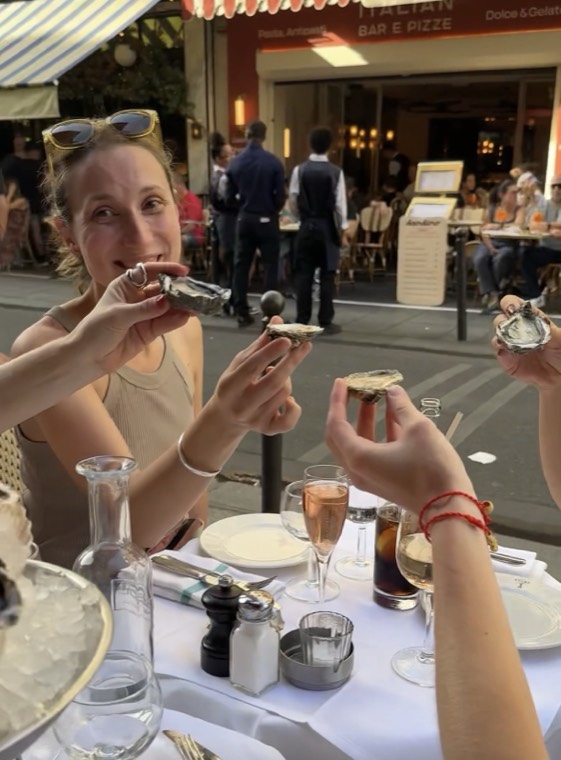
Plan a Champagne tasting in Paris with confidence: learn what to notice in the glass, which styles to try, and how to savour each pour with a local guide.