French Market Etiquette Guide for Paris Mornings
A French market etiquette guide for Paris, with graceful advice on greetings, produce, cheese and pacing your visit to Marché d’Aligre with calm assurance.
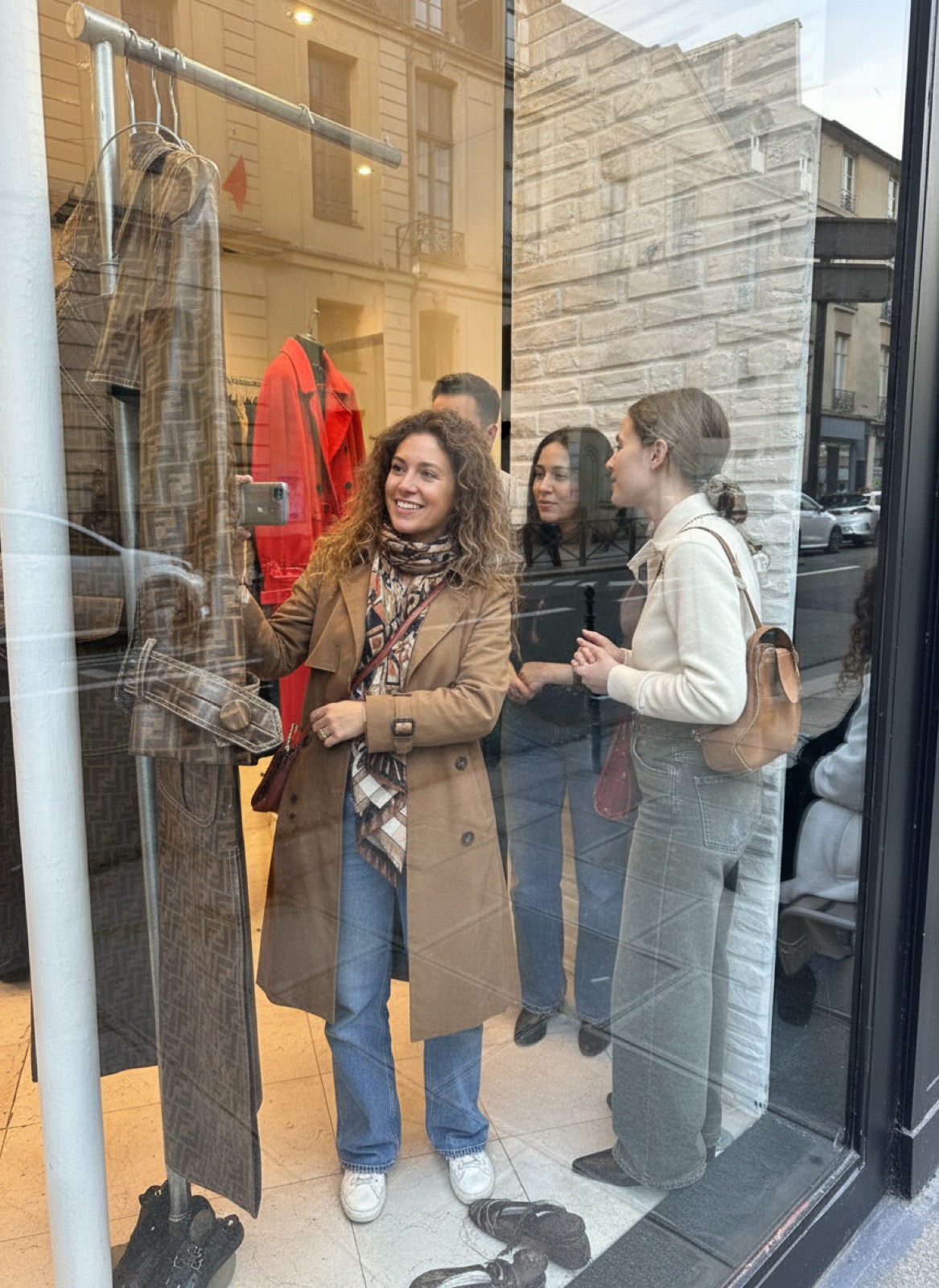
A Paris vintage rail can be wonderfully persuasive: a bias-cut dress in a faded peony print, a wool coat with shoulders worthy of a 1940s film, a silk scarf folded beside old leather gloves. But learning how to recognise vintage quality means looking beyond the first flutter of attraction. The pieces worth bringing home are not necessarily immaculate or expensive. They have good materials, thoughtful construction and enough life left to become part of your own story.
For a traveller with only an afternoon to browse, this is less about becoming a textile conservator than knowing where to pause. A few quiet checks can distinguish a beautiful old garment from a clever imitation, or a charming find from a purchase that will languish unworn in the back of your wardrobe.
The most reliable clue is often physical rather than visual. Let the garment fall from the hanger, then touch it. Older silk frequently has a dry, substantial hand and a gentle irregularity that modern synthetics struggle to imitate. Wool should feel springy rather than papery. Linen may be softened by decades of wear, yet still retain a pleasing density. Quality cotton has body, particularly in older shirts and dresses made before ultra-light, disposable fabric became common.
Fabric content labels help, but they are not the whole verdict. A polyester blouse from the 1970s can be joyful, beautifully cut and entirely worth wearing. Equally, a garment labelled pure wool can have been poorly made or badly stored. Think of fibre as the opening chapter, not the ending.
Hold a dress or jacket up to the light. Check whether the weave looks even and whether a printed motif sits clearly rather than appearing blurred. For knitwear, lightly stretch a small area and watch it return. A little softness is expected; slack ribs, thinning elbows and a neckline that remains distorted are signs to consider carefully.
A well-made vintage piece often becomes more impressive when turned inside out. Seams should lie flat, with no widespread pulling or fraying. On a tailored jacket, inspect the lining at the armholes and across the upper back, where stress gathers. A small lining repair is rarely a reason to walk away, especially if the outer cloth is exceptional. Shattered lining, however, can signal that further repairs will become a project rather than a pleasure.
Look for neat, consistent stitching and hems generous enough to alter. Earlier dresses and skirts commonly have wide hem allowances, a small luxury for anyone who needs a little extra length. French seams, bound edges, hand-finished buttonholes and carefully matched patterns tell you that someone took time over the garment.
With structured pieces, feel the collar, lapels and waistband. They should retain their architecture without becoming stiff or brittle. A 1960s wool coat may have a little weight through the shoulders; that is part of its silhouette. What you do not want is crumbling interfacing, bubbling layers or a collar that has lost all its form.
Construction also reveals whether an apparent vintage garment is actually vintage-inspired. Modern reproductions can be lovely, but they often use narrow seams, overlocked interiors and lightweight linings. None of these features automatically make a piece bad. They simply help you understand what you are buying and what a fair price might be.
Labels can date a garment, identify a maker and add a lovely flash of context. A couture label, a French union label, an old department-store tag or a carefully woven maker’s name can be exciting discoveries. Yet labels are also among the easiest details to misunderstand. They can be removed, replaced or attached to garments that were made later.
Use them alongside the fabric and construction. Does the label’s age feel coherent with the zip, cut and finishing? A metal zip may point to an earlier date than a nylon coil zip, though plenty of exceptions exist. Is the label securely and neatly sewn? Does the sizing make sense for its era? Vintage sizes are famously eccentric, so ignore the number and judge fit by measurements and movement.
If a seller describes a garment as designer, ask to see the label and take your time. The best vintage shops are not offended by a close look. Their curators expect it. In fact, transparency about condition, alterations and provenance is often one of the clearest signs that you are in good hands.
Vintage has already lived a life. A tiny darn on a cashmere cardigan, a faint mark inside a cuff or a replaced button can be evidence of care rather than failure. These details may also bring the price into sensible territory. The question is whether the flaw is stable, repairable and acceptable to you.
Check pale fabrics in daylight, especially underarms, collars and the fold of a skirt. Look for moth nibbles on wool and silk, and gently inspect leather for dryness, deep cracking or a powdery surface. Smell the garment discreetly. Old wardrobes can carry a little perfume, cedar or dust, but strong damp or mouldy odours are difficult to remove and may indicate deeper storage damage.
Do not be seduced by the word ‘mint’. An unworn dress can be a rare delight, but a garment that has been stored for fifty years may have brittle elastic, weakened folds or dry-cleaning residue. Conversely, a well-worn silk blouse that has been carefully washed and mended might be ready for another decade of dinners, galleries and long lunches.
Quality matters most when it meets use. Before falling for a sculptural 1980s jacket near the Palais-Royal or a 1950s circle skirt in the Marais, consider how it will travel home and how it will live once you return to Australia. Can you sit comfortably? Will the fastening hold? Does the garment work with the shoes, climate and occasions you actually have?
Try it on whenever possible. Raise your arms, sit down and turn sideways. Pay attention to the neckline and armholes, not only the mirror view. Vintage patterns often sit differently from contemporary ones, particularly through the bust, shoulders and waist. A good alteration can transform a find, but major changes to a delicate print or intricate tailoring can erase the reason you loved it.
This is where shopping with a local eye is especially useful. On Rêverie Tours’ personalised vintage-fashion experience, the emphasis is not on leaving with the most bags. It is on finding a piece that feels particular to you, whether that is a beautifully made trench, an evening clutch with a little patina or a silk dress you will reach for repeatedly.
The finest vintage is not always the most expensive, and the cheapest item is not always a bargain. Price should reflect a combination of maker, material, craftsmanship, condition, rarity and the work required before you can wear it. A hand-finished couture skirt with a repairable loose seam may offer more value than an untouched, anonymous synthetic dress priced for its trend appeal.
Ask what has been altered, repaired or restored. A professional repair is usually a positive sign, particularly with leather bags and classic tailoring. Be more cautious if a garment has been dramatically recut, dyed to disguise staining or re-lined without care for the original shape. Restoration should extend a garment’s life, not conceal a problem.
Start with three checks: touch the fabric, turn the garment inside out and inspect the areas that receive the most wear. Good materials, tidy construction and honest condition will tell you far more than a fashionable label alone.
Not necessarily. Labels are often removed because they irritated the wearer or faded beyond use. Assess the garment on its own merits, then be cautious about any confident claims of designer provenance or exact age.
Yes. A neat repair can be part of a garment’s character, particularly on wool, silk and leather. Avoid damage that is actively spreading, hard to stabilise or likely to make the piece uncomfortable to wear.
Choose the piece that makes your ordinary wardrobe feel more like your own. A finely cut coat, a silk scarf or a well-made handbag often travels easily and becomes a lasting souvenir, carrying a little of the city with it each time you wear it.
Join our Vintage Shopping Tour: two personalised hours through handpicked Paris boutiques and designer archives, €65 per person.
See the Vintage Shopping Tour
A French market etiquette guide for Paris, with graceful advice on greetings, produce, cheese and pacing your visit to Marché d’Aligre with calm assurance.

Plan a Champagne tasting in Paris with confidence: learn what to notice in the glass, which styles to try, and how to savour each pour with a local guide.