Roman Archaeology: How to Read the Forum
Roman archaeology turns the Forum from a grand ruin into a legible city of temples, courts, markets and power - if you know where to look closely, slowly.
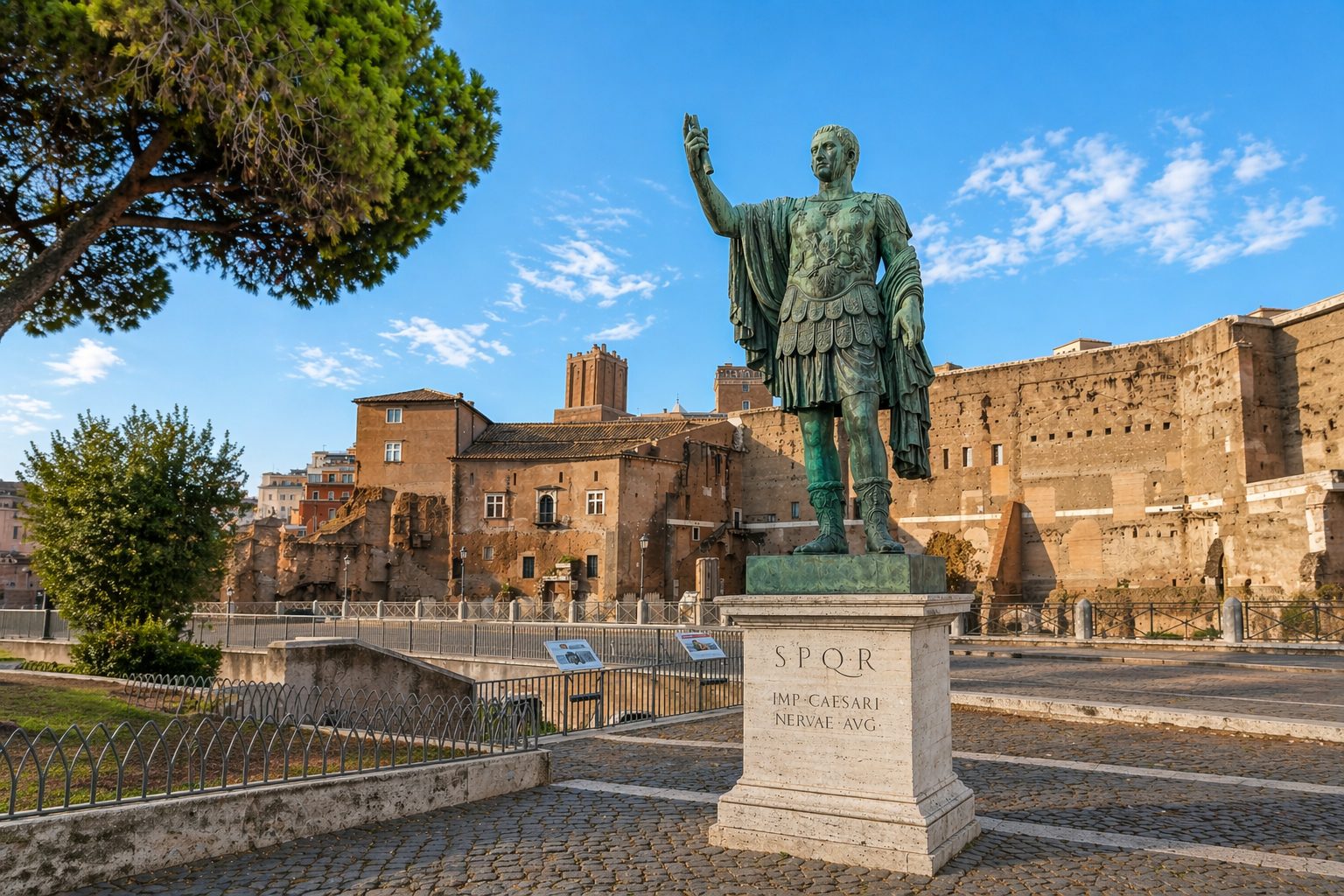
At 8am, Paris is a butter-scented decision made at a zinc bar: espresso, a still-warm croissant, perhaps the first glimpse of a vintage silk scarf in a shop window. Rome begins differently. It might be a standing coffee at the counter, the scrape of a scooter along a cobbled lane, and a piece of travertine older than most nations catching the morning sun. Paris or Rome is not really a contest between two great capitals. It is a question of what you want your days to feel like.
For travellers who have already outgrown the landmark checklist, the distinction matters. Both cities reward walking, appetite and curiosity. Yet Paris tends to arrange its pleasures with a certain graphic precision: a particular patisserie, a considered gallery visit, a beautifully edited wardrobe. Rome offers abundance with its sleeves rolled up: a myth beneath a paving stone, lunch that runs longer than planned, a baroque church encountered while looking for somewhere else.
Paris suits travellers who enjoy shaping a day around a sequence of small, deliberate pleasures. Its neighbourhoods are dense with invitations, but they have a legible rhythm. In Saint-Germain-des-Prés, you can move from a bookshop to a café table, then across the river to a museum without losing the thread of your afternoon. In the Marais, fashion, Jewish history, contemporary art and excellent lunch options sit within a few unhurried streets.
The city asks you to pay attention to detail. A Paris visit can be built around the colour of a lipstick, the cut of a coat, the difference between a bistro with a handwritten menu and one designed for passing crowds. This is particularly satisfying for style-conscious travellers, solo visitors happy to linger, and couples who like a little ceremony in their plans.
Rome is less inclined to give you a neat sequence. Its greatest pleasures often arrive through interruption. You set out for the Campo de' Fiori market and find yourself in Piazza Navona, looking at Bernini's Fountain of the Four Rivers. You pause for water near the Pantheon and emerge an hour later after peering into a chapel or sharing a supplì on a footpath table.
That looseness is not a flaw. Rome is for those who can welcome a day becoming more expansive than expected. It especially suits travellers who want history to feel present rather than preserved behind glass, and friend groups who prefer long lunches to tightly timed reservations.
Paris is a city of specialities and settings. One neighbourhood might call for oysters and a bracing glass of white wine; another, a plated lunch where the sauce is treated with the seriousness of architecture. Champagne has its own theatre here, from the narrow flute to the precise moment it meets something salty. Even a simple market purchase can feel composed.
The best Paris food experiences are often about learning to read the room: when to stand at the bar, how to spot a seasonal chalkboard, why a cheese course is not merely an afterthought. It rewards those who want to understand the craftsmanship behind what is on the table.
Rome is more direct, and gloriously so. Its essential dishes come with arguments attached. Carbonara should be glossy rather than creamy. Cacio e pepe relies on timing and temperature. Amatriciana has a history, a hometown and devotees prepared to defend both. Then there are the small rituals: a maritozzo for breakfast, artichokes in season, a late-afternoon aperitivo before dinner begins properly.
Choose Rome if you want food with a pulse and a point of view. Choose Paris if you want food that turns the meal itself into an occasion. Neither city is inherently better for dining, but it helps to be honest about whether you want polish or conviviality, finesse or generous disorder.
In both cities, the memorable meal is rarely the restaurant with the loudest reputation. Ask for a small dining room with a short menu, or a specialist whose focus is clear: oysters, Roman pasta, natural wine, classic pastries. Book one or two meals that matter, then leave breathing room for the place you notice at 1pm because everyone at the tables outside looks pleased to be there.
Paris has a rare talent for making intellectual life feel physical. It is in the worn steps around the Sorbonne, the café conversations of Saint-Germain, and the bookstalls along the Seine. A walk centred on Simone de Beauvoir and Jean-Paul Sartre, for example, changes the texture of the Left Bank. It is no longer simply handsome. It becomes a stage for arguments about freedom, love, politics and the self.
Fashion belongs to this same city of ideas. In Paris, clothing is often a form of autobiography. A vintage jacket in the 9th arrondissement may carry the sharp shoulder of the 1980s; a silk blouse may suggest a more languid 1970s Paris. Shopping here is most rewarding when it is personal rather than acquisitive. The aim is not a bag of souvenirs, but one piece you will wear at home and remember exactly where you found it.
Paris is the stronger choice if you imagine your trip in scenes: a wine bar glowing after rain, a gallery visit followed by a long walk, a well-chosen vintage treasure folded into your suitcase. It can be more expensive, and its coolness can occasionally feel like a closed door. A thoughtful local introduction helps turn that reserve into intimacy.
Rome makes history difficult to keep at arm's length. The Roman Forum is not merely a collection of ancient ruins. It is where political ambition, religious ritual and public performance were conducted on an epic scale. To stand near the Arch of Septimius Severus or look across the Imperial Forums is to see how power wanted to be remembered.
Myth gives those stones their emotional charge. Venus, Mars, Romulus and Remus, Julius Caesar and the emperors are not tidy chapters here. Their stories overlap with the streets, fountains and public spaces you use every day. Rome's mythology is full of transformation, rivalry, revenge and desire, which makes it surprisingly accessible even if you have not opened a classics text since school.
This is where a focused walk changes everything. Rather than treating the Forums as a monument to tick off, a two to two-and-a-half-hour mythology-led experience lets a guide connect places to characters and motives. You begin to recognise Rome not as a frozen ancient city, but as a living argument between spectacle, memory and ordinary life. Rêverie Tours offers this kind of small-scale encounter for travellers who prefer a story with texture to a headset and a crowd.
Rome is the better choice if you want to feel time layered under your feet. Its trade-off is intensity: uneven cobblestones, heat in the warmer months, noisy traffic and crowds around the major sights. Start early, build in a proper lunch, and let the afternoon soften into a piazza rather than attempting to conquer every ruin.
If this is your first European city break and you want elegance, museums, fashion and a sense of crafted possibility, Paris is likely to fit. It is especially good for a long weekend when you want each hour to feel purposeful without rushing.
If you want your trip to be social, storied and deliciously untidy, Rome may be the answer. It asks for more patience with crowds and less attachment to a strict timetable, but it repays you with the feeling that the city has continued around you for two thousand years.
There is also a seasonal answer. Paris can feel particularly lovely in autumn and late spring, when walking between neighbourhoods becomes part of the pleasure. Rome is wonderful in the gentler months, though winter offers quieter streets, deep bowls of pasta and a more local pace. In high summer, Rome's heat is a genuine consideration, while Paris may be easier for travellers who prefer galleries, shaded parks and late dinners.
The cleverest choice is not to seek the objectively superior city. Choose the one that gives shape to the version of yourself you hope to meet on holiday: the curious flâneur with a notebook and an eye for cut, or the hungry storyteller who is happy to follow an old road until it becomes dinner.
Paris is often easier for a first visit because its neighbourhoods and museum days can be planned with relative precision. Rome is just as rewarding, but suits travellers comfortable with a little more heat, bustle and spontaneity.
Choose Paris for wine, Champagne, oysters, pastry and refined dining rituals. Choose Rome for pasta, market produce, classic trattorias and food traditions that invite lively debate. Both are excellent when you focus on a few well-chosen places rather than trying to eat everywhere famous.
Paris has the edge for vintage fashion, independent labels and a style-led shopping day. Rome is appealing for leather goods, jewellery, homewares and relaxed Italian tailoring, but Paris offers more depth for travellers building a distinctive wardrobe.
Three full days gives either city enough room for major sights, neighbourhood wandering and one guided experience. Four or five days is better if you want museums, shopping or food discoveries without spending your holiday watching the clock.
Pick one theme that genuinely interests you, whether it is existentialist Paris, vintage fashion, oysters and wine, or the myths of Imperial Rome. A city becomes personal when you follow a thread, leave space between plans and notice what makes you want to stay a little longer.
Join our Rome Mythology Tour: two hours among the Imperial Forums, from Romulus and Remus to Trajan, €65 per person.
See the Rome Mythology Tour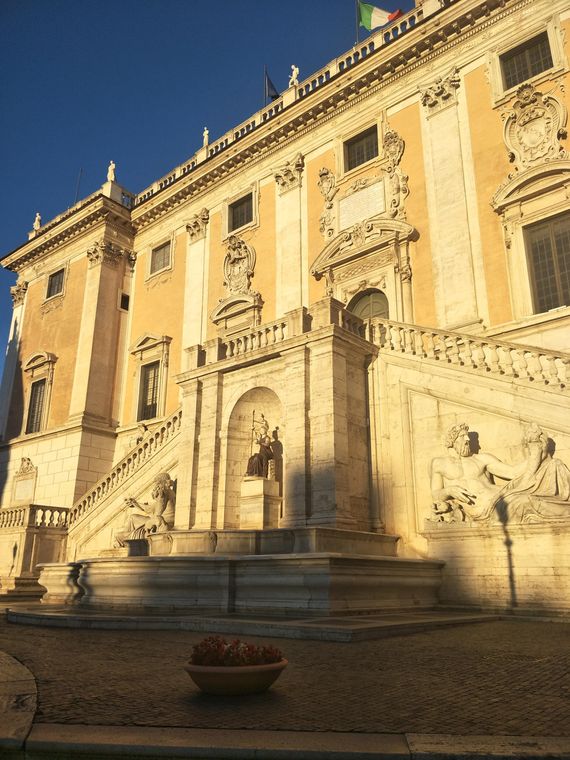
Roman archaeology turns the Forum from a grand ruin into a legible city of temples, courts, markets and power - if you know where to look closely, slowly.
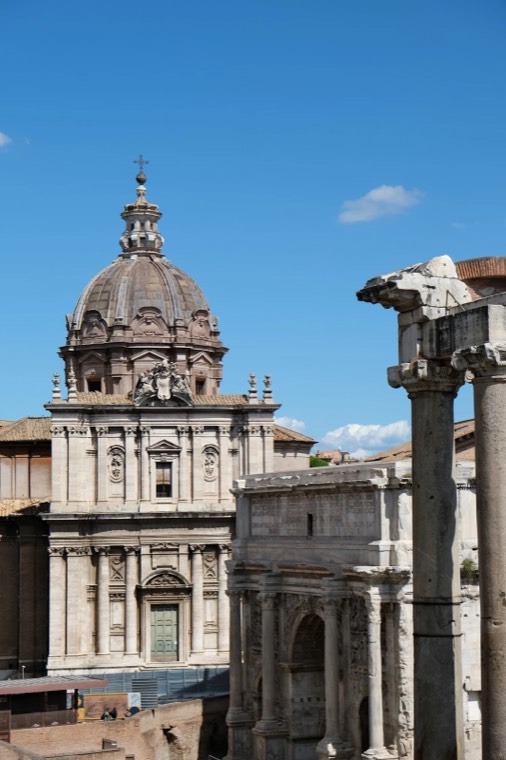
Learn how to navigate Roman forums with a thoughtful route, timed pauses and myth-rich context, from the Arch of Titus to Trajan’s Market in Rome today.