French Market Etiquette Guide for Paris Mornings
A French market etiquette guide for Paris, with graceful advice on greetings, produce, cheese and pacing your visit to Marché d’Aligre with calm assurance.
A paper bag warm with a just-bought croissant, a window full of silk blouses from another decade, the sharp mineral scent of a wine bar at apéritif hour: Paris experiential travel is less about seeing more and more about noticing what is already in front of you. On Rue des Martyrs, a gently sloping street running between South Pigalle and Notre-Dame-de-Lorette, an afternoon can become a small, delicious portrait of Parisian life.
This is not a street to rush. It asks for appetite, curiosity and a little room in your suitcase. Its pleasures are close together, but they belong to different Parisian worlds: the old neighbourhood food shop, the polished young pâtissier, the flower seller arranging seasonal colour, the vintage rail where one perfect jacket changes the mood of a whole trip.
Rue des Martyrs is named for the route associated with Saint Denis and the early Christian martyrs of Paris, yet its modern character is much more earthly. The street has long served the surrounding residential quarter, and that daily purpose remains part of its charm. Locals pick up bread, cheese and dinner ingredients here. Visitors can do the same, with a little more time for a glass of wine and a browse.
Its geography helps. Begin near Notre-Dame-de-Lorette, then walk north towards the foot of Montmartre. The gradual climb creates a natural pace: stop for something sweet, continue past a grocer’s display, cross to inspect a dress in a vintage shop, then settle in somewhere convivial before the street turns towards the hill.
For travellers who have already seen the Eiffel Tower and Louvre, this is a useful correction to the grand itinerary. Rue des Martyrs offers no single monument that demands a photograph. Instead, it reveals the rituals that make Paris feel inhabited. The difference matters. You are not simply consuming a list of addresses; you are learning how taste, style and neighbourhood life sit beside one another.
The best route begins in the morning or late afternoon, when the street is lively without feeling compressed. Start with a buttery pastry or a simple loaf from a serious boulangerie. France’s devotion to bread is often discussed as tradition, but on this street it is practical: people arrive with a purpose, exchange a few words, and leave carrying the evening’s essential.
Choose one thing rather than ordering a tray of everything. A plain croissant tells you plenty about technique: the crisp outer layers, the tender centre, the fragrance of butter. If you prefer something more theatrical, a fruit tart or finely glazed entremets makes a lovely pause. The trade-off is simple. The more elaborate the sweet, the less likely you are to have room for the cheese, charcuterie or wine that may tempt you later.
This is where a thoughtful guide earns their place. A good tasting is not a race through famous names. It gives context to the choice in your hand: why certain pastries are seasonal, how a shop’s presentation signals its point of view, and what Parisians tend to buy for an ordinary Tuesday rather than a special occasion.
The lower 9th arrondissement and South Pigalle have a confident relationship with clothes. Here, vintage shopping can be treated as costume hunting, but it is more rewarding when approached as a conversation with Parisian style. Look for a single piece with a strong cut: a trench in softened gabardine, a silk scarf with an unusual print, a wool jacket with excellent shoulders, or a leather bag that has acquired a pleasing patina.
The most satisfying finds are often not labelled treasures. They are pieces that work with your life at home in Melbourne, Sydney or Brisbane. A striking 1970s blouse may be beautiful on its hanger, but a well-made blazer you will wear for years has a different kind of romance. Try things on. Notice the lining, buttons and construction. Ask whether the colour belongs in your wardrobe, not only in the flattering Parisian light.
Shopping with local knowledge also saves time. Vintage shops vary enormously in price, editing and atmosphere. Some specialise in designer fashion; others reward patient rummaging. If your time is short, a personalised fashion walk can narrow the field according to your taste, size range and budget, leaving room for the pleasures that cannot be planned.
By late afternoon, Rue des Martyrs begins to shift. Shopping bags give way to tables, bottles and the first conversations of the evening. A wine bar is an ideal place to rest, especially if you have spent the day on foot. Order a glass rather than committing to a bottle, then let the choice create a little lesson.
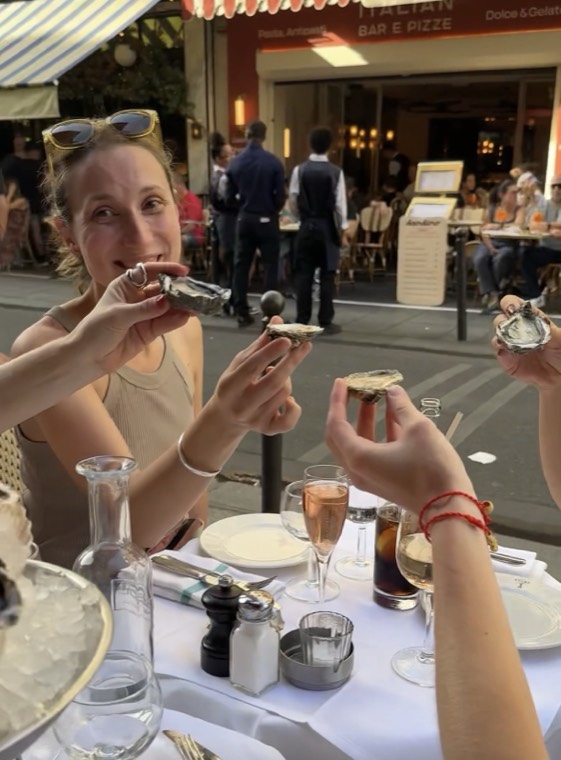
A bright Loire white alongside oysters can show why acidity is so prized at the table. A light Beaujolais can be more inviting than a heavy red before dinner, particularly in warmer months. Champagne is not only for celebrations, either. Its freshness works beautifully with salty snacks and the sense that an ordinary afternoon deserves ceremony.
There is no need to perform expertise. Tell the person pouring what you usually enjoy and what you are eating. The right recommendation is not necessarily the most obscure bottle. It is the one that makes you slow down after the first sip, then reach for another bite.
For travellers who enjoy food as culture, an intimate tasting is often more revealing than a large dinner reservation. You can ask questions, compare flavours and understand regional distinctions without the formality of a white-tablecloth meal. It also leaves the night pleasantly open: perhaps dinner in Pigalle, perhaps a walk towards Montmartre as the windows begin to glow.
Rue des Martyrs rewards spontaneity, though it benefits from a little structure. Give yourself two to three hours and avoid trying to turn it into a shopping marathon, a food crawl and a history lesson all at once. Pick the thread that feels most like you. Couples might make it a wine-and-pastry afternoon; friends may prefer vintage browsing with a few shared plates; solo travellers can enjoy the ease of a guided neighbourhood walk without feeling shepherded through a crowd.
A private or small-group experience is particularly useful if you want the street to feel personal rather than performative. Rêverie Tours can shape a Paris outing around food, fashion or the stories that bind a quarter together, with the kind of pacing that leaves room for an unexpected window display or an unhurried conversation over wine.
Timing changes the experience. On weekdays, the street has more of its everyday rhythm. Saturdays are energetic and sociable, but can be busy, especially around celebrated food shops. Sunday trading varies, so do not build a tightly scheduled plan around every address being open. If you are travelling in summer, arrive earlier or save the walk for the cooler stretch before dinner. In winter, the warmth of a bakery and a wine bar becomes part of the appeal.
The souvenir from this street may be a scarf, a box of chocolates or a bottle wrapped carefully for the journey home. More lasting, though, is the shift in attention. You begin to see that a neighbourhood is made by small decisions: which cheese is displayed at the front, how a shopkeeper chooses a shade of ribbon, why a bistro pours one local wine and not another.
That is the pleasure of experience-led travel in Paris. It gives the city enough space to become specific. On Rue des Martyrs, let one good pastry, one well-cut vintage piece and one considered glass of wine be enough. The day will have its own narrative, and you will remember it long after the crumbs are gone.
Yes, particularly if you want a counterpoint to the major sights. It is close to central Paris and pairs easily with the 9th arrondissement, Pigalle or Montmartre. First-time visitors should still see the landmarks that excite them, but a few hours here adds texture to the trip.
Allow two to three hours for a relaxed walk with a pastry stop, browsing and a drink. Add more time if vintage shopping is a priority, as trying on pieces is part of the experience.
Very. The street is especially enjoyable for pastries, cheese, wine and casual apéritif stops. Arrive hungry, but pace yourself rather than treating every shop as a compulsory tasting.
Absolutely. A few polite phrases are appreciated, and many shop staff are used to visitors. A guide can make the experience more conversational and help you understand what to order, but curiosity and courtesy will take you a long way.
Comfortable shoes matter most, as the street rises towards Montmartre and you may spend time standing in shops. Dress with a little suitcase space in mind too: the best Paris purchase is often the one you did not expect to find.
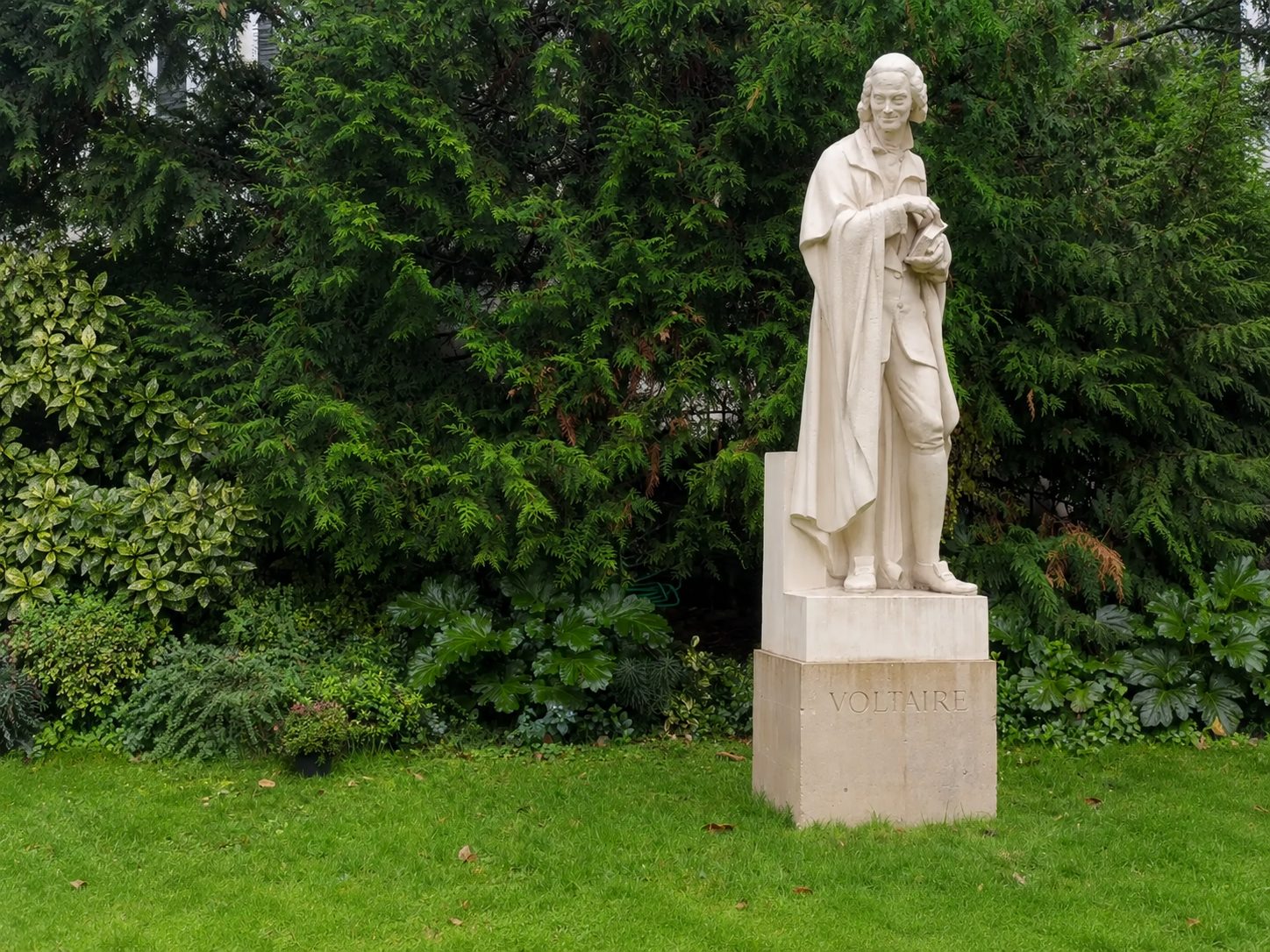
Join our Paris & the Philosophers Walk: two hours on the Left Bank with Beauvoir, Descartes, Rousseau and Voltaire, €65 per person.
See the Philosophers Walk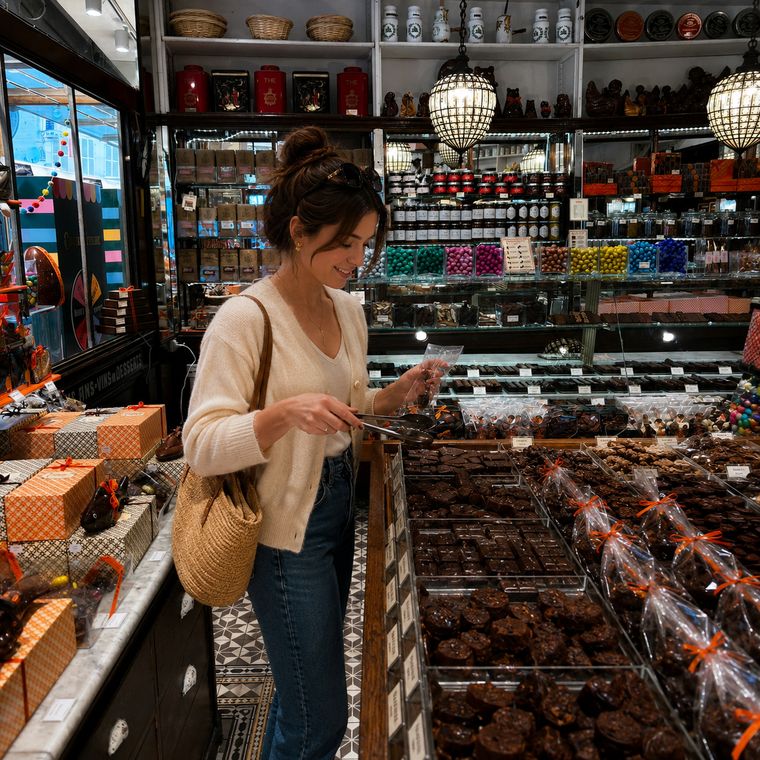
A French market etiquette guide for Paris, with graceful advice on greetings, produce, cheese and pacing your visit to Marché d’Aligre with calm assurance.
Plan a Champagne tasting in Paris with confidence: learn what to notice in the glass, which styles to try, and how to savour each pour with a local guide.