French Market Etiquette Guide for Paris Mornings
A French market etiquette guide for Paris, with graceful advice on greetings, produce, cheese and pacing your visit to Marché d’Aligre with calm assurance.
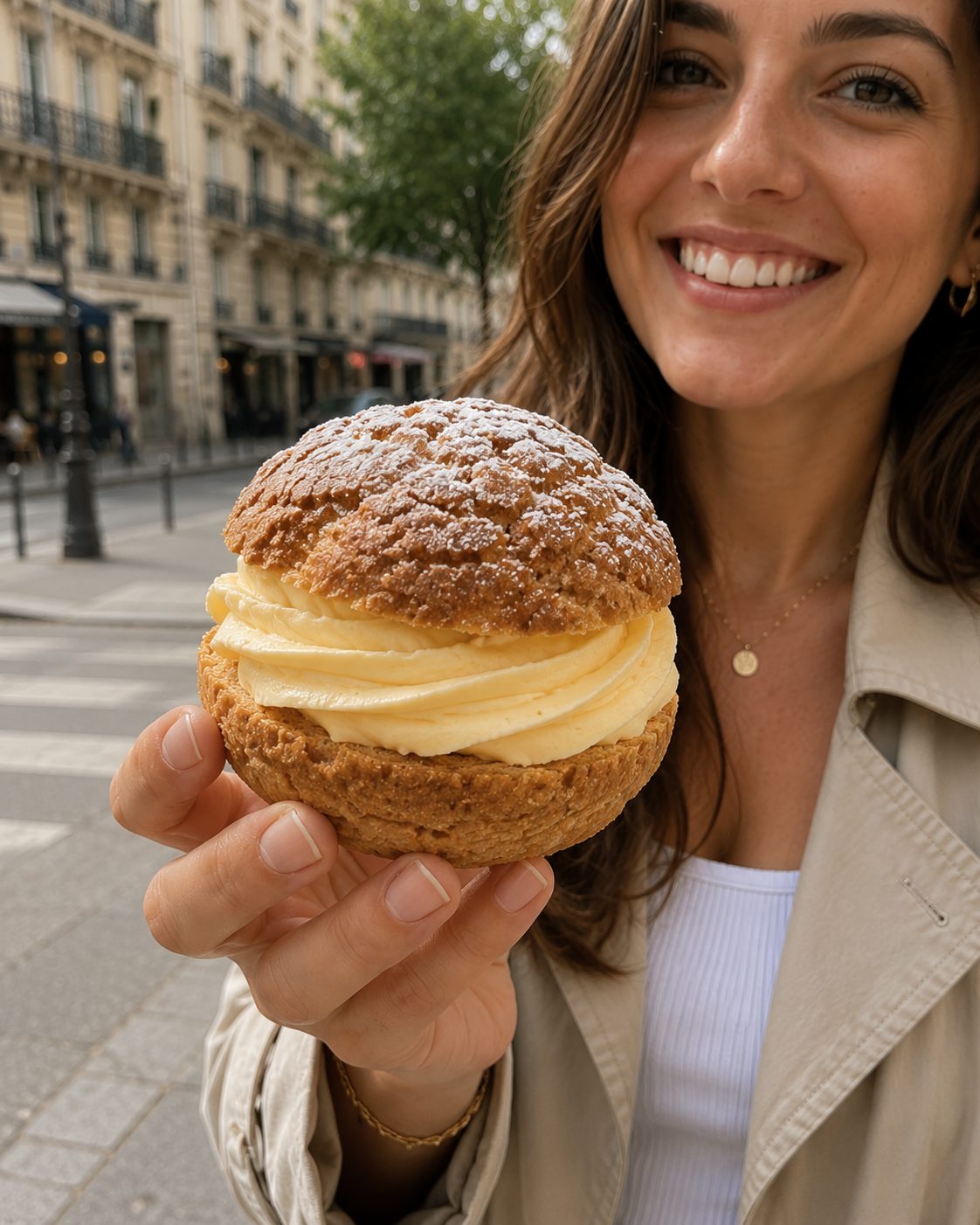
At 8am, the question is not whether to have a croissant in Paris, but where you want the rest of the day to lead. Will it be oysters over crushed ice beside a grand boulevard, a still-warm baguette eaten on a canal bench, or a long lunch beneath the plane trees of the Left Bank? Which Paris area suits foodies depends less on finding the city’s ‘best’ arrondissement than on recognising your own appetite: classic and candlelit, market-led and sociable, or curious enough to order the dish you cannot quite pronounce.
Paris is compact, but its food geography is remarkably distinct. A brilliant address can sit one métro stop from an average tourist trap, and the meal you remember most may come from a wine bar with six tables rather than the restaurant whose name was already on your list. For a first visit, it pays to choose a base with a culinary mood, then leave room for the small detours - the cheesemonger, the lunchtime queue, the bottle shop whose window makes you change dinner plans.
Choose the 6th if your idea of Paris involves linen napkins, mirrored dining rooms and a lingering sense that the table is a place to think as well as eat. This is the neighbourhood of historic cafés, polished patisseries and bistros where sole meunière, steak frites and a proper tarte Tatin never need defending.
Its great pleasure is rhythm. Start with coffee and a buttery viennoiserie near rue de Buci, browse the greengrocers and cheesemongers around Marché Saint-Germain, then reserve a dinner that makes an occasion of being in Paris. The area is also wonderfully walkable: the Luxembourg Gardens, the river and the bookshops along the Seine give a meal context rather than merely filling the hours between attractions.
The trade-off is price and popularity. Saint-Germain is not where to seek bargain menus or an empty pavement table in peak season. It rewards advance bookings and a willingness to spend a little more for atmosphere, service and culinary continuity. For couples celebrating, solo travellers who like to sit at a bar with a glass of Burgundy, or anyone drawn to the Paris of writers and artists, it is a deeply satisfying choice.
If you want classic cooking with more energy and fewer Left Bank flourishes, look north of the river. The 1st and 2nd bring together traditional brasseries, elegant wine bars, Japanese counters, old-school pâtisseries and some of the city’s most serious restaurant dining. Around Palais Royal and rue Montorgueil, you can build a day from breakfast to digestif without needing a plan more rigid than following your nose.
Rue Montorgueil is particularly useful for travellers on a short stay. It is a food street in the practical sense: fruit stalls, bakeries, fishmongers, cheese, wine and places to stop for lunch are close at hand. It can feel busy, especially on weekends, but that bustle is part of its appeal. Stay nearby if you value choice and centrality, and do not mind trading residential quiet for a little urban theatre.
The 11th arrondissement is for diners who prefer a chalkboard menu to a dress code. East of Bastille and north of the Marais, it has become one of Paris’s most compelling places to eat because chefs, bakers and wine people have made it their neighbourhood, not simply their workplace. Here, the best meal might be small plates at a low-lit bar, a seasonal lunch beside a busy market, or a modest-looking bistro where the sauce is reason enough to return.
Begin around Marché d’Aligre, where fruit sellers call across the covered market and locals buy roast chicken, herbs, North African spices and cheese for the evening. Nearby, the streets towards Charonne and Voltaire are full of restaurants that feel contemporary without performing trendiness. Menus change, vegetables are treated with care, and wine lists often favour smaller producers.
This is an especially good fit for friends travelling together, repeat visitors and anyone who likes a meal to feel a little spontaneous. The 11th does require some discernment. Not every fashionable address delivers, and the neighbourhood is broad enough that a few métro rides or purposeful walks are likely. But if your happiest dining memory involves tasting several things, sharing bottles and talking about where to go next, this is the area to choose.
Parisian food is not a museum of French dishes, and the 10th arrondissement makes that clear in the most delicious way. Around Canal Saint-Martin, rue du Faubourg-Saint-Denis and the streets near Gare de l’Est, you will find flavours shaped by migration and neighbourhood life: Indian and Sri Lankan cooking, Kurdish grills, Turkish sweets, lively Italian tables, inventive coffee and wine bars, and bakeries that treat bread like a daily art form.
The canal gives the 10th an easygoing frame. Pick up pastries in the morning, have a simple lunch near the market streets, then take an evening stroll before dinner. It feels younger and more casual than Saint-Germain, though not exclusively so. There are intimate restaurants here for a special night, just without the ceremonial hush.
The nearby 9th has a different cadence: grand boulevards, theatres and a wonderful mix of old Paris institutions with newer tables. It suits foodies who want to alternate between a traditional brasserie and something less expected, perhaps a focused tasting menu or a beautifully made bowl of noodles. Both areas are good choices for travellers who want variety close to their hotel and would rather spend their budget on eating than on a postcode.
The Marais, across the 3rd and 4th arrondissements, is one of those rare areas where an afternoon of wandering can genuinely become lunch, an aperitif and a late dessert. Its food identity is layered. Rue des Rosiers carries the living legacy of the historic Jewish quarter, while side streets hold bakeries, chocolate shops, wine bars and restaurants that move easily between tradition and the present.
This is the right choice if you want food to sit beside galleries, fashion and people-watching. A falafel can be excellent, but it is not the whole story. Look for babka, bagels, delicate pastries, seasonal French cooking and a glass of wine in a tiny courtyard-facing room. The Marais is also central enough to make an easy base for a first Paris visit.
Its limitation is obvious once the crowds arrive. Weekends can feel packed, and the most photographed spots are not always the places with the most thoughtful cooking. Visit early, eat a little away from the main thoroughfares, and let a local recommendation steer you towards a table with more substance than spectacle.
Food lovers often overlook the stretch around rue Cler, the 7th and neighbouring 15th because it is associated with the Eiffel Tower. That is a mistake if you enjoy shopping for ingredients as much as sitting down to eat. Rue Cler offers a concentrated Paris market-street experience: bread, cheese, charcuterie, flowers and seafood, all arranged for an impromptu picnic. The 15th, more residential and less polished, gives a clearer glimpse of everyday food shopping and reliable local bistros.
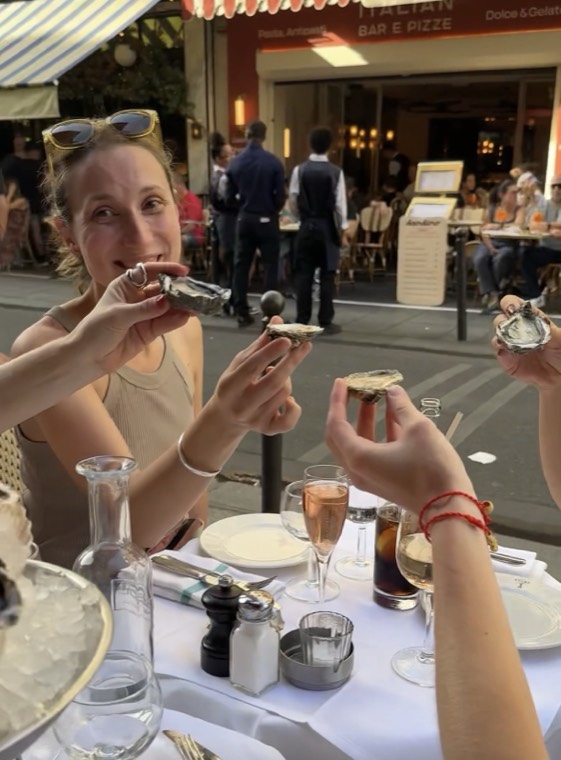
Choose this side of Paris if fresh produce, oysters and Champagne sound like a perfect afternoon, or if you are travelling with someone who wants the major sights within easy reach. It is less restless than the 10th or 11th, and dining late can be quieter. Yet for a leisurely tasting built around seasonal seafood, a knowledgeable guide can turn the apparent simplicity of a market counter into a story about French regions, growers and the art of choosing well.
Rêverie Tours can shape a private neighbourhood food experience around precisely this kind of appetite, whether you are drawn to briny oysters, natural wine, old bistros or the small producers that make a Paris meal feel personal.
Do not select an arrondissement only by its famous restaurant. Select it by the meals you want on either side of that booking. If breakfast is sacred, stay near a market street or serious bakery. If dinner is the event, book somewhere you can wander afterwards rather than immediately calling a car. And if your Paris fantasy includes buying cheese for your room, make sure your hotel has a fridge - or accept that the cheese course may become dinner.
For a classic first trip, the 6th, 1st or 2nd make life beautifully easy. For a more current restaurant scene, favour the 11th. For global flavours and a relaxed evening atmosphere, look to the 10th and 9th. For an all-day stroll where food meets design and history, choose the Marais. The best area is the one that gives you permission to be hungry at the right moment.
Yes, particularly for travellers who prioritise restaurants, wine bars and local neighbourhood energy. It is not as postcard-central as Saint-Germain, but it is well connected by métro and offers a more contemporary view of Parisian dining.
The 12th, near Marché d’Aligre, is excellent for an energetic, everyday market experience. Rue Montorgueil in the 2nd is ideal if you want a central market street, while rue Cler in the 7th suits a more polished browse of cheese, bread and seafood.
The 6th arrondissement is a natural choice for intimate bistros, classic cafés and evening walks by the Seine. The Marais also works beautifully for couples who prefer a livelier mix of wine bars, boutiques and late-night desserts.
For sought-after restaurants, especially Thursday through Saturday, reserve ahead. Keep at least one lunch and one dinner unplanned, though: Paris often rewards the table you find while soaking up the beauty of a neighbourhood at your own pace.
Join our Custom Food & Wine Tour in Le Marais or Saint-Germain: bakery, cheese, wine, charcuterie and dessert over 2.5 hours, €120 per person.
See the Food & Wine Tour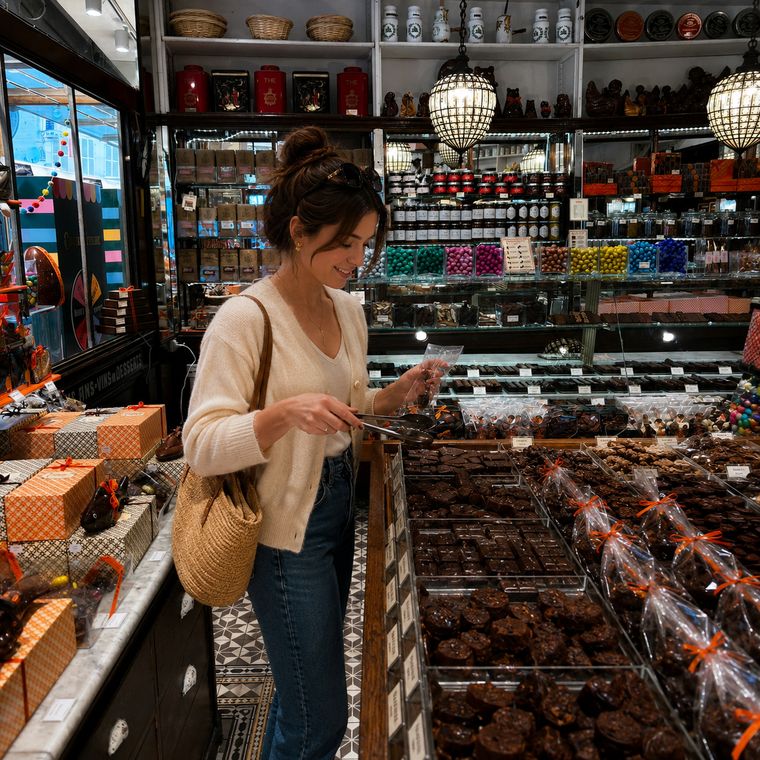
A French market etiquette guide for Paris, with graceful advice on greetings, produce, cheese and pacing your visit to Marché d’Aligre with calm assurance.
Plan a Champagne tasting in Paris with confidence: learn what to notice in the glass, which styles to try, and how to savour each pour with a local guide.