French Market Etiquette Guide for Paris Mornings
A French market etiquette guide for Paris, with graceful advice on greetings, produce, cheese and pacing your visit to Marché d’Aligre with calm assurance.
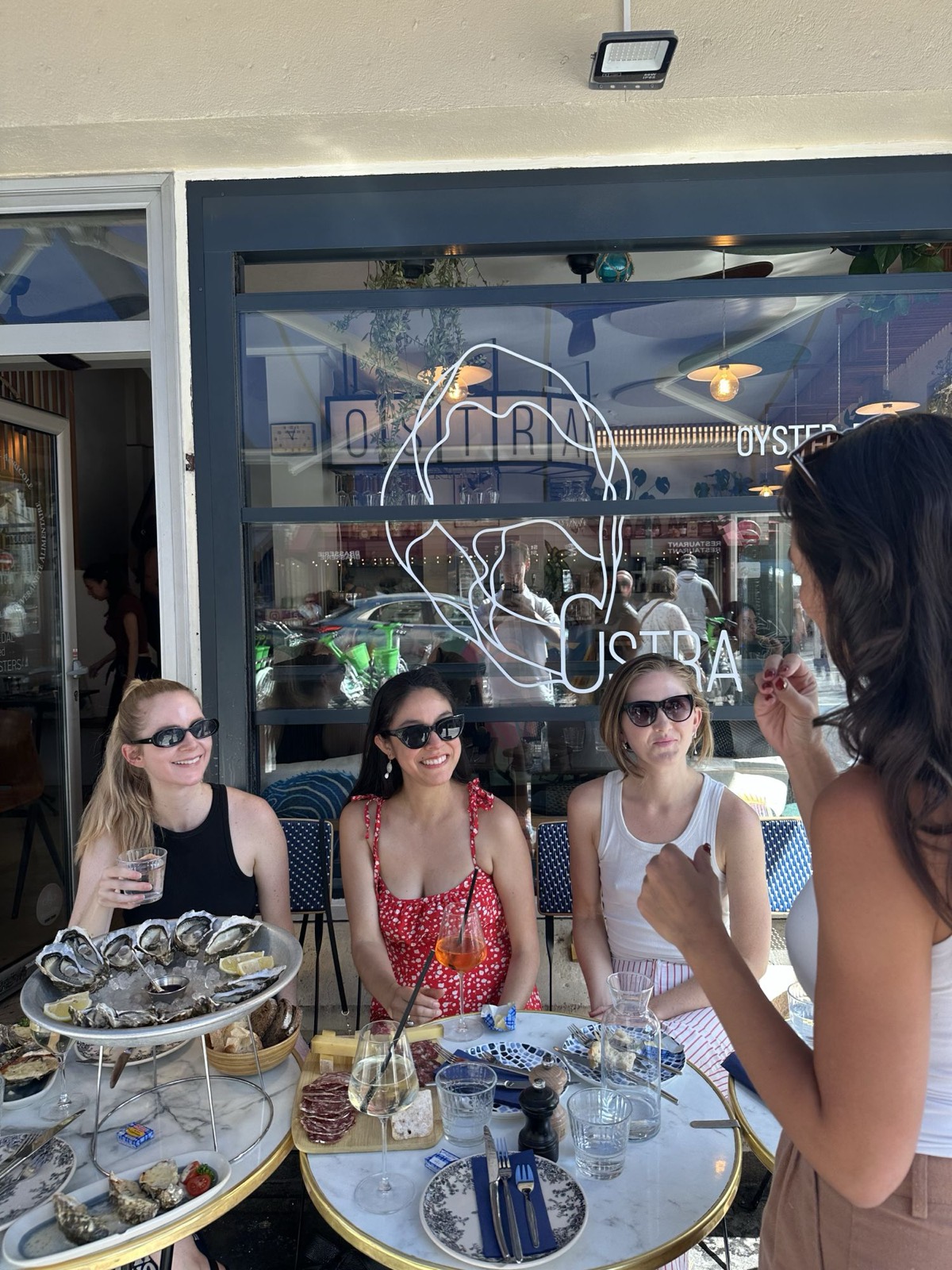
At 6.30 pm, Paris begins its most civilised ritual. Wine glasses gather on small zinc tables, coats are still buttoned against the evening air, and a plate of something salty arrives before anyone has thought about dinner. The best French aperitif snacks are not designed to fill you up. They sharpen the appetite, flatter the glass in your hand, and make lingering in a neighbourhood bar feel like the only sensible plan.
An apéro is less a fixed menu than a way of arranging the early evening. You might have a pale, mineral white wine in the 11th arrondissement, a chilled beer near Canal Saint-Martin, or Champagne in a softly lit wine bar in Saint-Germain-des-Prés. What belongs on the table depends on the drink, the season and, frankly, how long you plan to stay. These are the snacks worth recognising, ordering and sharing.
These warm cheese puffs are one of Burgundy’s great contributions to the apéro. Made from choux pastry folded with cheese, usually Comté or Gruyère, they should be feather-light inside with a crisp, deeply savoury shell. Gougères are especially good with Crémant de Bourgogne or Champagne, whose acidity cuts through the richness without making the pairing feel heavy.
Order them when you want something welcoming but not fussy. A well-made gougère disappears in two bites, leaving the gentle nutty taste of melted cheese and a reason to reach for another.
Rillettes look modest: a small pot of shredded pork, duck or sometimes fish, slowly cooked in fat until tender and spreadable. But on good country bread with cornichons, they are one of the most satisfying things an apéro table can hold. The sharp pickle is essential, bringing enough brightness to balance the rillettes’ silky, savoury depth.
Pork rillettes are classic with a dry Loire white such as Chenin Blanc. Duck rillettes can carry a lighter red. If you see sardine rillettes, pair them with Muscadet or another brisk, saline white.
A proper saucisson sec is firm, fragrant and sliced into coins just thick enough to chew. This dry-cured sausage often arrives with bread, butter and perhaps a few pickled onions. It is a straightforward pleasure, but quality matters. Look for a bar that treats charcuterie as more than a decorative plate beside the drinks list.
Saucisson is at home with red wine, particularly a lively Beaujolais or Loire Cabernet Franc. Yet a cold lager works beautifully too. The peppery fat, salt and faint tang of fermentation make it one of the easiest French aperitif snacks to enjoy without ceremony.
Not every plate of ham is the same. Jambon de Bayonne, from the French Basque country, is air-dried and lightly sweet, with a delicate salty finish. It needs very little beyond good bread and perhaps a small mound of butter. Jambon persillé is something else entirely: cooked ham set in a parsley-studded aspic, a Burgundian speciality that is brighter and more herbaceous than it sounds.
Choose Bayonne ham with a dry rosé or a crisp white. Try jambon persillé if you are drinking a regional Burgundy and want a snack with a little more character.
French cheese plates can become dinner, which is not necessarily a problem, but Comté keeps an apéro in balance. Aged Comté ranges from buttery and milky to toasted, fruity and almost caramelised. A few slices with walnut bread make a handsome, unfussy order.
Ask for the age if the bar knows it. A younger Comté is supple and gentle with sparkling wine; an older one has enough complexity for Jura whites, especially the region’s distinctive oxidative styles. It is a small lesson in French regional taste on one plate.
The pairing may seem almost too simple: crisp pink radishes, softened butter and a bowl of flaky sea salt. In France, restraint is part of the point. The radish brings pepper and wateriness, while the butter is cool, creamy and faintly sweet.
This is an excellent choice on a warm afternoon, particularly with a glass of Sancerre, Muscadet or a dry vermouth. It also tells you something useful about a place: when a bar serves humble ingredients beautifully, its kitchen is often paying attention elsewhere too.
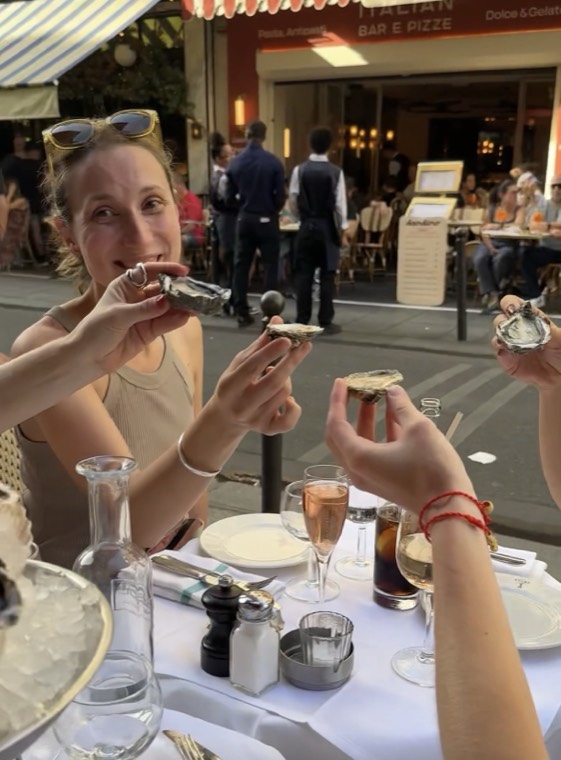
Oysters are the apéro snack for an evening that deserves to stretch. In Paris, they may come from Normandy, Brittany or the Atlantic coast, served on ice with lemon, vinegar and shallot sauce, rye bread and butter. Their briny, mineral taste makes them feel both festive and bracing.
A dozen is generous for two people before dinner, while six are a graceful solo order. Champagne is the classic companion, though Muscadet is often the more quietly perfect match. Skip the lemon at least once and taste the oyster as it is.
Brandade is a whipped mixture of salt cod, olive oil and milk or cream, sometimes enriched with potato. Originating in the south, it is soft, savoury and often served warm with toast. It has the comfort of a dip but the salt-cod backbone gives it real personality.
A southern white, a dry rosé or a pastis-and-water aperitif can work well here. Brandade is particularly welcome on cooler evenings when you want one substantial nibble before setting out into the night.
From Nice, pissaladière is a tart of slow-cooked onions, black olives and anchovies. It resembles pizza only at a glance. The pastry is usually thicker, the onions sweeter and the anchovy salt more pronounced. Each square carries the flavour of the Mediterranean without becoming an entire meal.
It belongs with rosé, naturally, but also with a chilled Provençal white. If anchovies are not your thing, this may not convert you. If they are, it is hard to share politely.
Olives, capers, anchovies and olive oil make tapenade intense enough to wake up almost any glass of wine. Spread it thinly on toast or eat it beside raw vegetables. The best versions taste distinctly of olives first, then offer salt and sharpness in the background.
Tapenade is ideal for a group because it gives vegetarians something substantial if made without anchovies, though traditional recipes often include them. When ordering, it is worth asking. That small question can make an apéro easier for everyone at the table.
Socca is a thin chickpea pancake from Nice, baked at high heat and served with black pepper. Its edges should be blistered and crisp while the centre stays tender. It is naturally gluten-free, though a kitchen may handle flour nearby, so ask if this is a concern.
The flavour is earthy and faintly smoky, making socca a lovely partner for rosé or a cold beer. Eat it straight away. It waits for no one, and its charm is in that contrast of hot crust and soft middle.
Sometimes the right order is simply something salty. Pommes allumettes are matchstick chips, hot and fine, while grilled almonds arrive warm, glossy with salt and often scented with rosemary or Espelette pepper. Neither claims regional grandeur, but both make an aperitif feel complete.
Choose chips if the table is drinking beer or a light red. Choose almonds with sherry-like vin doux naturel, sparkling wine or a classic pre-dinner drink. They are also a sensible addition when the group has ordered richer plates and needs texture rather than more meat or cheese.
The trick is not to order everything at once. Begin with one or two plates for the table, then let the next round respond to what you are drinking and whether dinner is still on the horizon. Gougères and almonds are light beginnings; rillettes, cheese and charcuterie can quickly turn into supper.
If you are in a wine bar, ask what is particularly good that day rather than requesting a generic platter. Parisian menus change with suppliers, and a short, direct question often leads to the best plate in the room. In oyster season, that might be a particular calibre from Brittany. In late summer, it could be a ripe goat’s cheese with fresh figs.
There is no need to chase a perfectly French order. A table of oysters, socca and one excellent bottle can be as memorable as a more elaborate spread. The pleasure lies in paying attention: the salt on the butter, the warmth of the pastry, the way a local wine shifts after a bite of cheese.
Apéro is the occasion as much as the food. It is the pre-dinner pause built around a drink and a few small savoury bites. Appetisers can be eaten anywhere; an apéro has its own unhurried rhythm.
Champagne, Crémant, dry white wine, rosé, beer and vermouth all have a place. Match saline snacks such as oysters and sardine rillettes with crisp whites, and richer charcuterie or cheese with light reds or sparkling wine.
They can be, especially if you order rillettes, cheese, charcuterie, bread and a warm dish such as brandade or socca. For a lighter evening, keep the selection smaller and book dinner later.
Start with gougères or a small cheese plate, then add one regional speciality that catches your eye. Let the first glass set the pace, settle into the table, and allow the evening to reveal its next delicious idea.
Join our Custom Food & Wine Tour in Le Marais or Saint-Germain: bakery, cheese, wine, charcuterie and dessert over 2.5 hours, €120 per person.
See the Food & Wine Tour
A French market etiquette guide for Paris, with graceful advice on greetings, produce, cheese and pacing your visit to Marché d’Aligre with calm assurance.
Plan a Champagne tasting in Paris with confidence: learn what to notice in the glass, which styles to try, and how to savour each pour with a local guide.